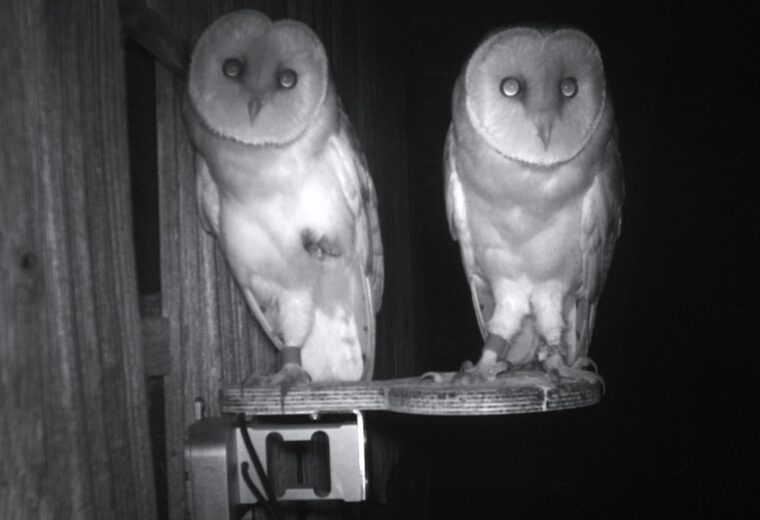


Climate change is altering insect communities worldwide, with potentially important consequences for insectivorous birds. Most research has focused on changes in prey abundance, but shifts in food quality may be equally important. In particular, changes in the relative contribution of aquatic and terrestrial insects to the diet could matter because these insect groups differ in nutritional value. In Alpine swifts monitored since 1999, nestling growth rates have increased over the past 25 years in parallel with rising summer temperatures, despite potential changes in flying insect abundance over the same period. Whether climate-driven changes in prey composition, rather than prey abundance alone, contribute to these changes in growth and their consequences for survival remains unresolved. Carbon (δ13C) and nitrogen (δ15N) isotope ratios in nestling feathers can help address this question, as δ13C reflects dependence on different primary producers and δ¹⁵N reflects trophic level, together informing on the relative contribution of aquatic and terrestrial insects to the diet.
Anthropogenic influences