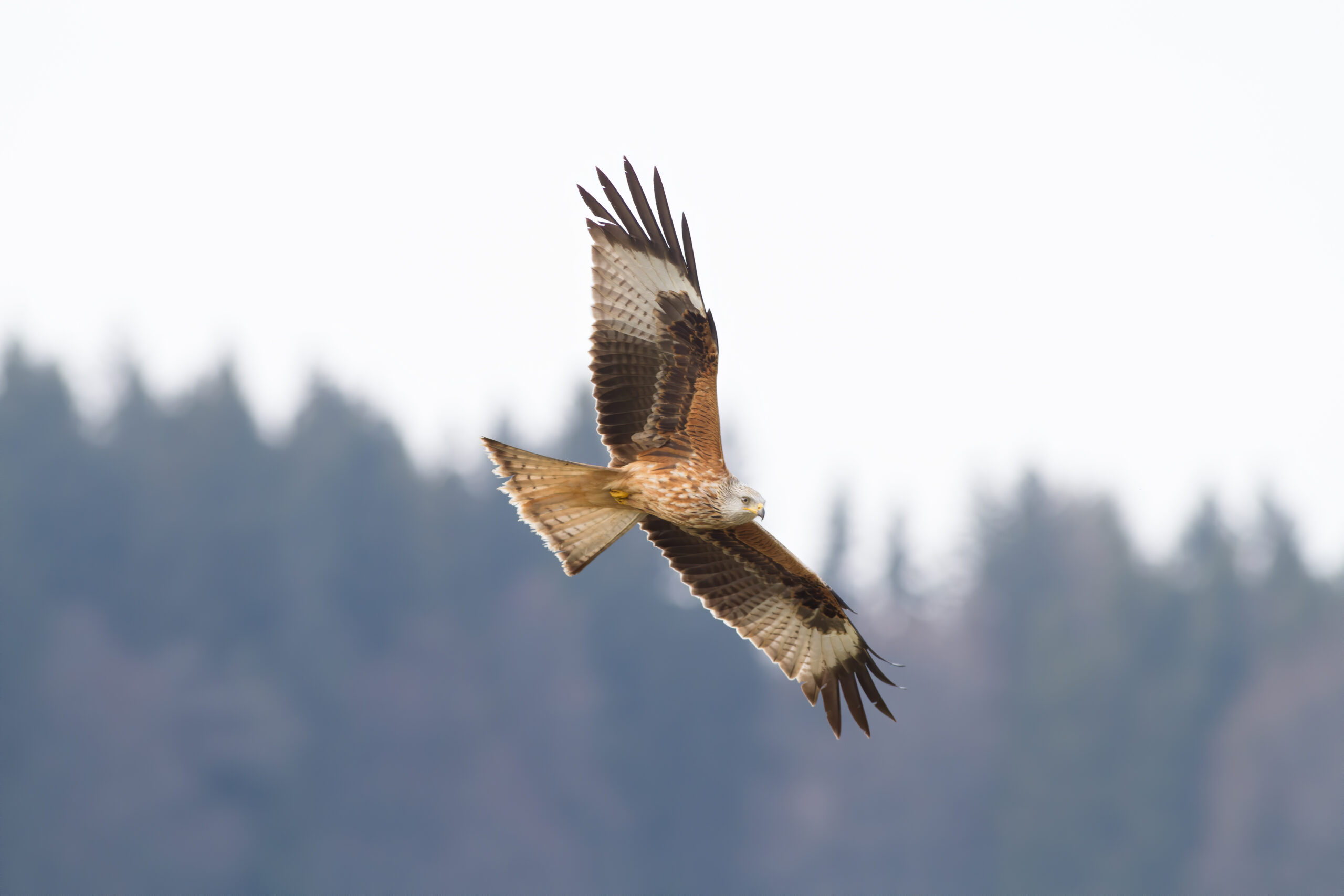

Red kite (Milvus milvus) collision risk is higher at wind turbines with larger rotors and lower clearance, evidenced by GPS tracking
Résumé
Wind turbines are important for achieving renewable energy goals, but present a considerable threat to wildlife, especially birds and bats. This study reports 41 confirmed collisions of GPS-tracked Red Kites (Milvus milvus) with wind turbines across Europe (2017–2024). We compared environmental and turbine-specific factors during collisions and non-collision movements within 500 m of turbines. Collisions occurred year-round, with the highest mean number of collisions per day during spring and autumn migration. Rotor clearance and diameter were significant predictors of collision risk: turbines with greater clearance exhibited lower probabilities of collision, likely due to reduced overlap with typical Red Kite flight altitudes. Based on our model, a 25.5 m increase in rotor diameter was associated with a fivefold increase in collision probability; mitigating this risk would require increasing rotor clearance by approximately 19.3 m. Variation in collision probability was greater between wind parks than between individual birds. No significant effects were found for cloud cover, precipitation, wind speed, or turbine density within 500 m. Our findings suggest that turbines with rotor diameters ≤90 m and clearances ≥60 m may pose a lower relative threat to Red Kites.
Increasing rotor diameters without adjusting height restrictions reduces clearance and increases the risk of collisions. These results highlight the need for turbine designs minimizing overlap with bird flight heights and underscore the importance of legislative adjustments to height restrictions.
Collaboratrices et collaborateurs