Résumé
BACKGROUND
Animals rely on symbiotic bacteria living within/on their tissues for multiple functions, while simultaneously needing to protect themselves via immune functions or other defenses from potentially pathogenic microorganisms that could invade those tissues. As a result, interactions with complex assemblages of bacteria have driven the evolution of host strategies to control established symbioses. One such strategy involves the development of organs specialized in maintaining associations with beneficial members of the microbial community — so-called symbiotic organs. These organs are characterized by compartmentalizing spaces where favorable conditions for the beneficial bacteria are promoted, while preventing colonization of other tissues. Although several model systems of symbiotic organs have been studied in animals, none have been recognized in non-aquatic vertebrates except for the intestinal crypts of mammals. Here, we propose that bird´s uropygial glands may be specialized symbiotic organs.
RESULTS
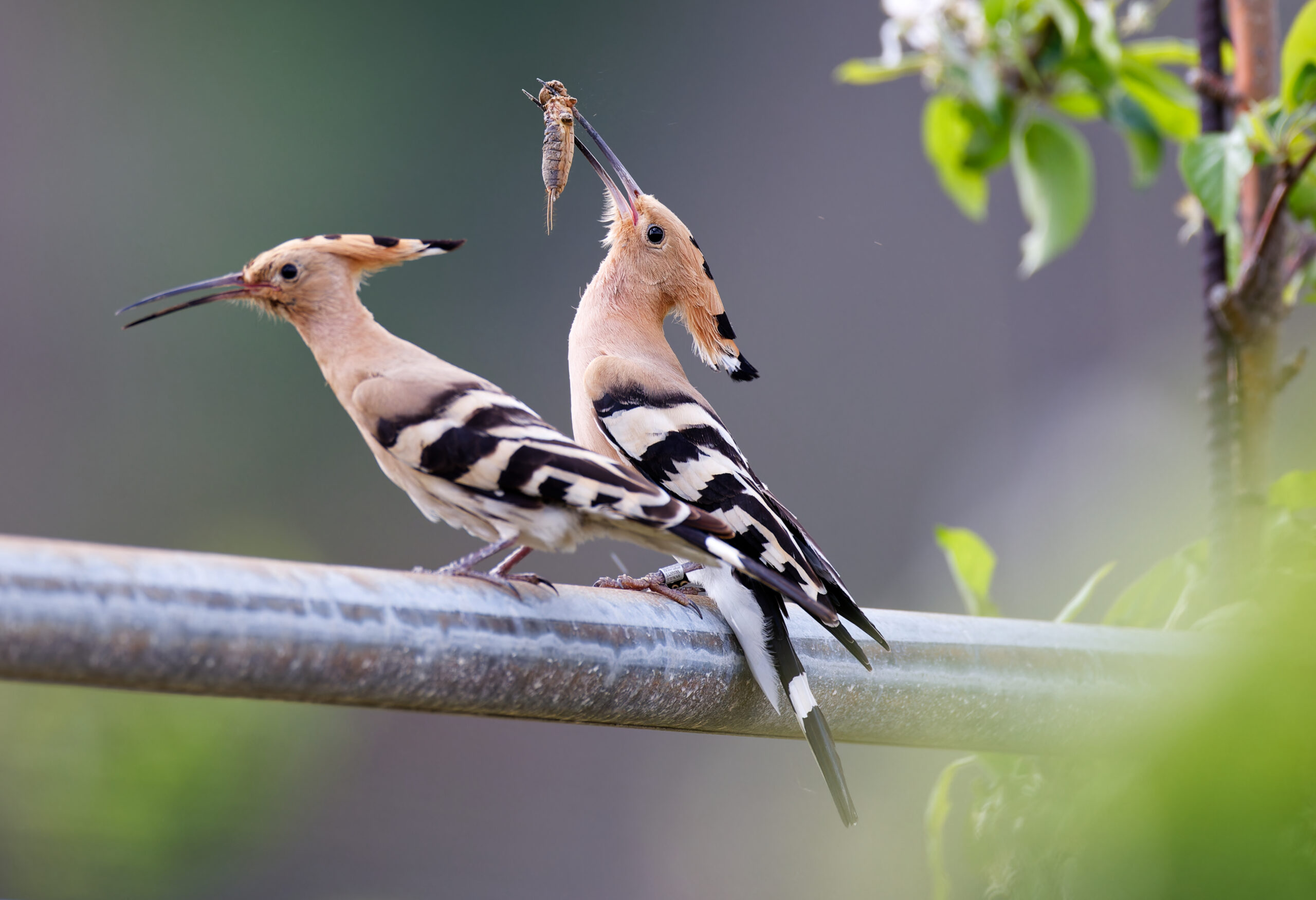
We tested this hypothesis using the uropygial gland of the hoopoe (Upupa epops) as a model, which hosts a complex bacterial community that includes antimicrobial-producing symbionts. First, we examined whether the uropygial gland supports a specific symbiotic community, by comparing the microbiome composition of the uropygial secretions and eggshell surfaces in two European hoopoe populations. Additionally, using histological staining and fluorescence in situ hybridization, we looked for structural specializations for compartmentalization and bacterial targeting in the glands of nesting hoopoes in comparison to non-breeding individuals lacking the symbiosis. Results show that, in comparison with bacterial communities of the eggshells, those of the uropygial gland were more conserved between both populations. Moreover, uropygial glands of nesting hoopoes were strictly compartmentalized by a special tissue, properties that are absent in the non-breeding individuals lacking the symbiosis. Finally, bacteria were organized within the organ, suggesting the existence of special physical niches to promote specialized mutualistic symbionts.
CONCLUSIONS
All evidence supports that the hoopoe uropygial gland is a specialized symbiotic organ for bacterial cultivation, paving the way for new insights into vertebrates’ exocrine glands’ role in microbial symbiosis.
CLINICAL TRIAL NUMBER
Not applicable.
SUPPLEMENTARY INFORMATION
The online version contains supplementary material available at 10.1186/s42523-026-00543-y.
Collaboratrices et collaborateurs