

In the last decades, the Red Kite recolonized large parts of Switzerland with remarkable speed. However, we only have limited understanding of the factors driving this exceptional population increase. Our large research project investigates the population ecology of the charismatic species by tracking individuals and recording reproduction, survival and dispersal. High samples of tracked individuals provide unprecedented insights into the population ecology of a mobile long lived species in Switzerland and across the entire European distributional range
©
© Patrick Scherler
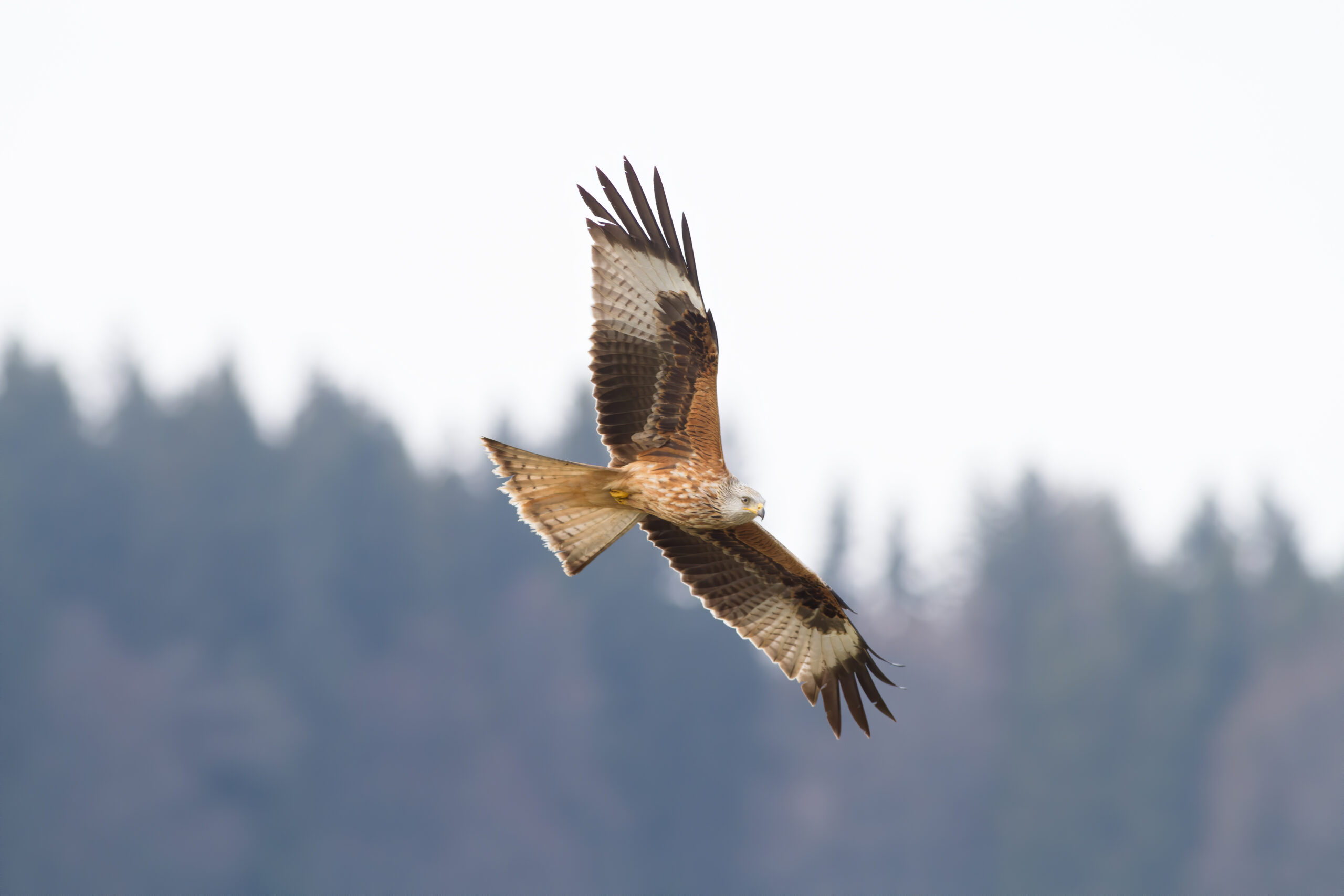
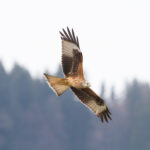
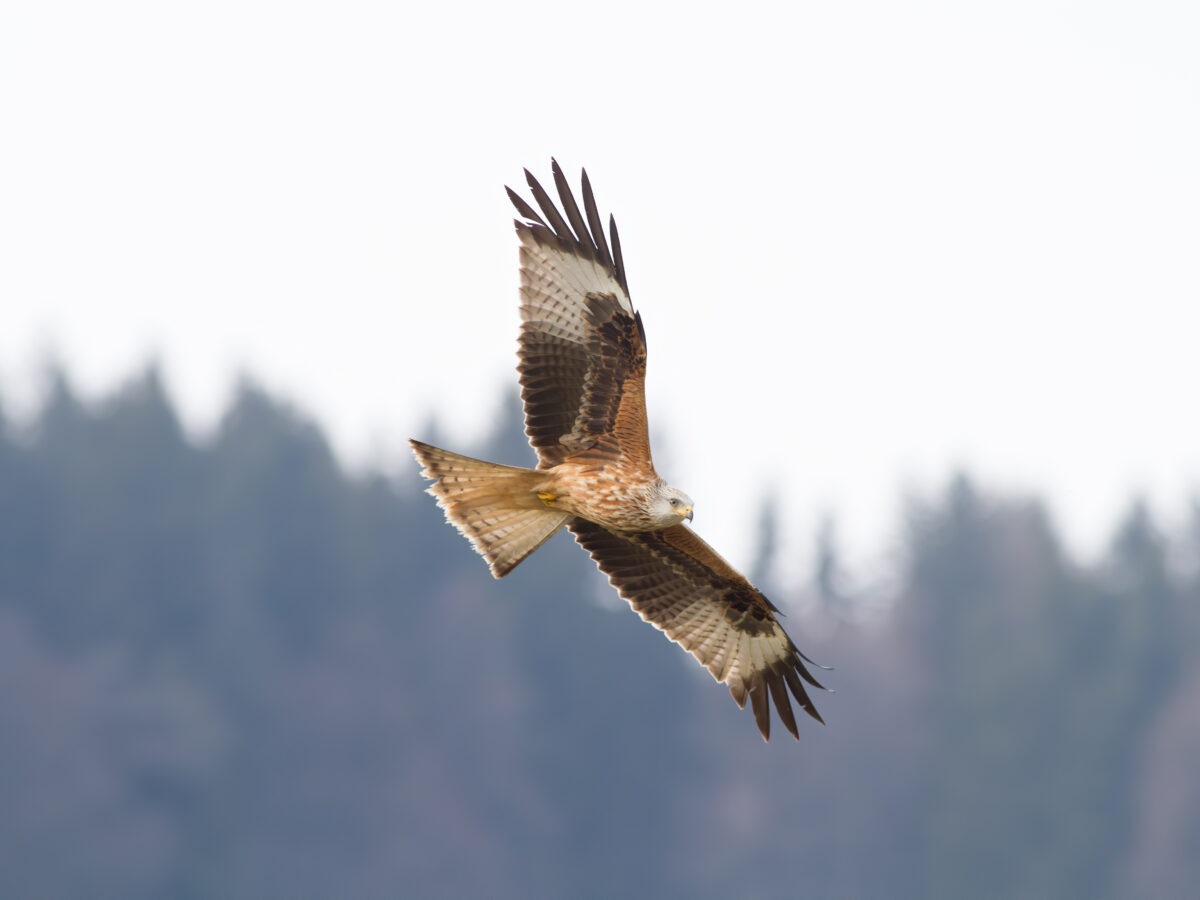
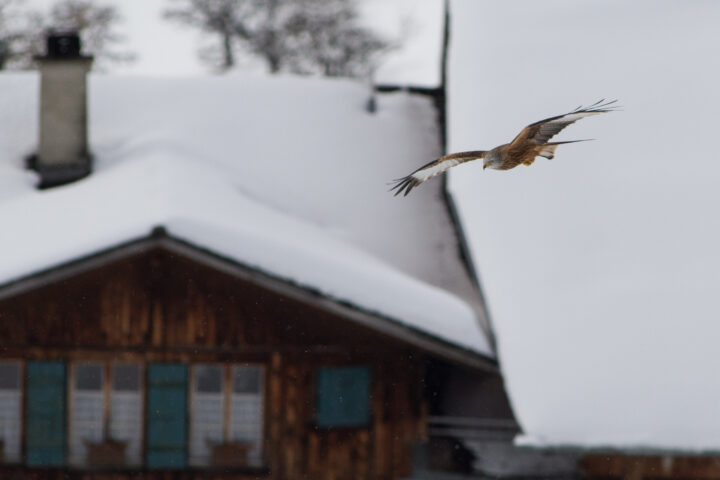
Subadult red kite that just returned from spring migration and is looking for potential territories in the breeding range

©
©
Patrick Scherler
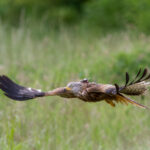
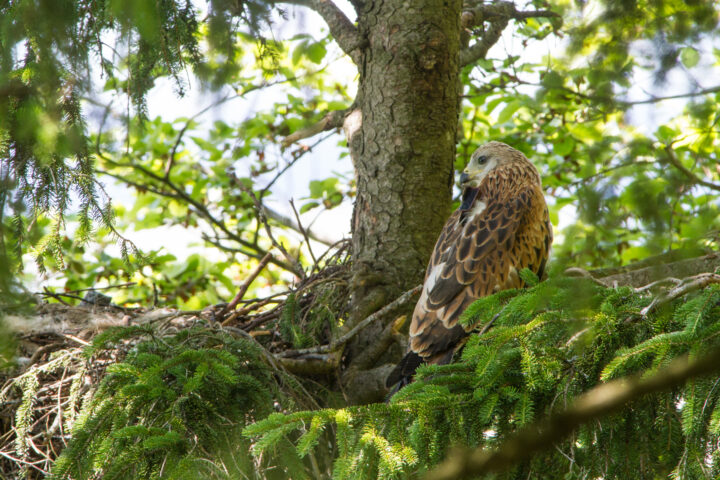
Adult red kite with GPS transmitter

©
©
Adrian Aebischer
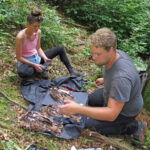
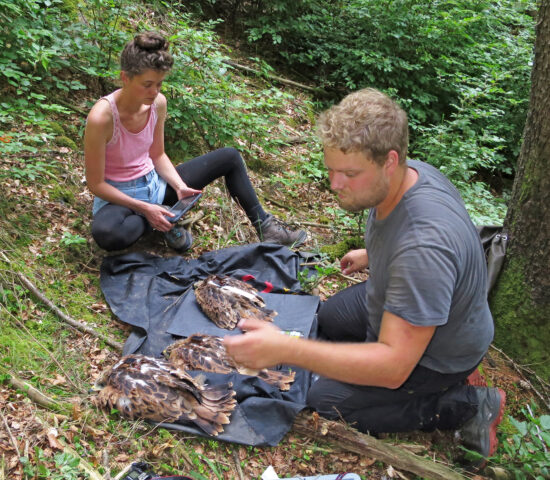
Tagging of red kite nestlings shortly before fledging

©
©
Schweizerische Vogelwarte
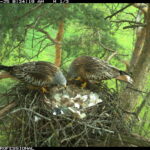
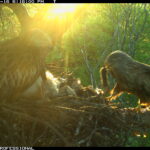
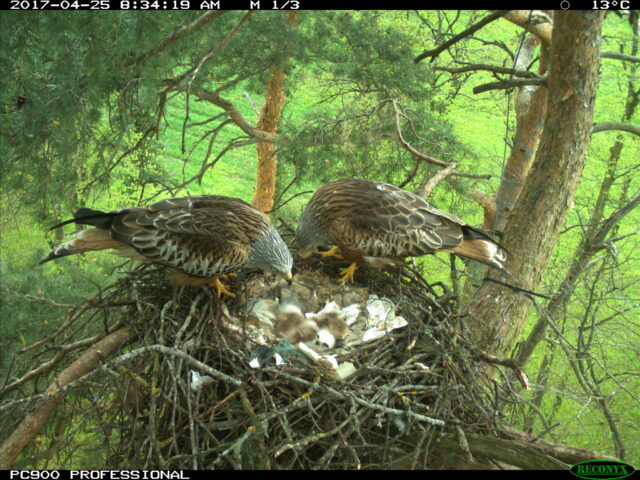
Red kite parents with their nestlings

©
©
Schweizerische Vogelwarte
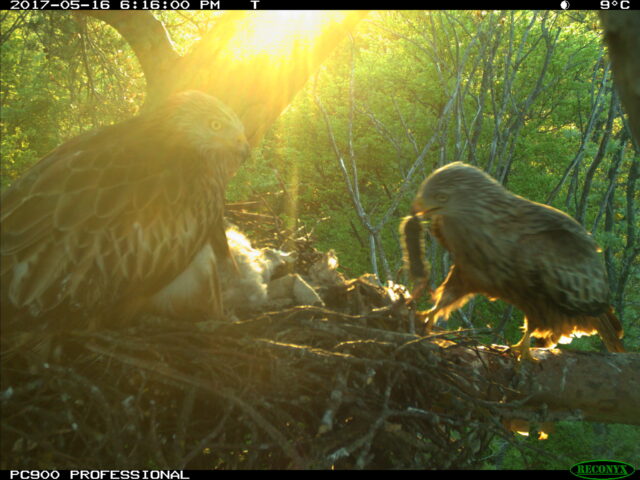
Prey delivery to young nestlings

©
©
Anna Sandor
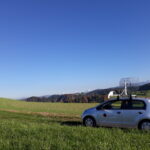
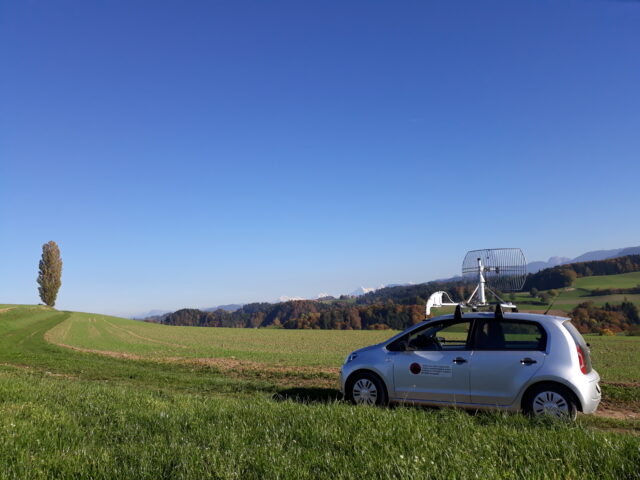
Download of GPS data from GPS-tagged red kites using a roof-mounted UHF antenna

©
©
Valentijn van Bergen
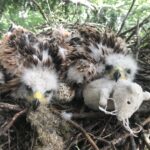
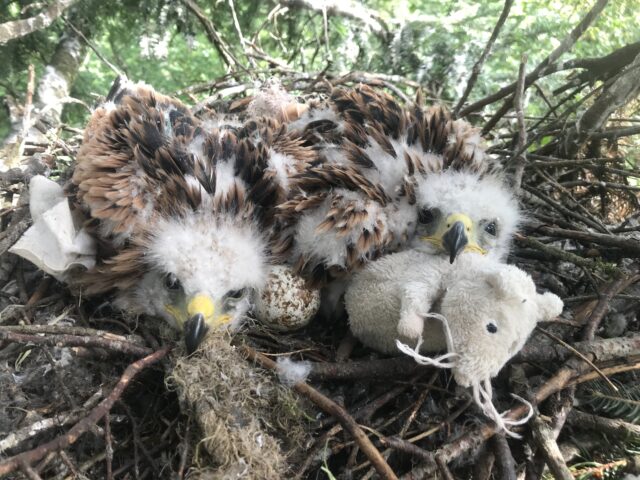
Red kites parents confused toy with proper food for their nestlings

©
©
Patrick Scherler
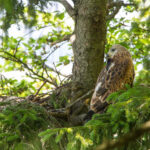
GPS tagged juvenile red kite at fledging age.

©
©
Red kite project
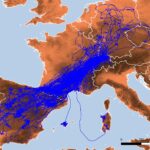
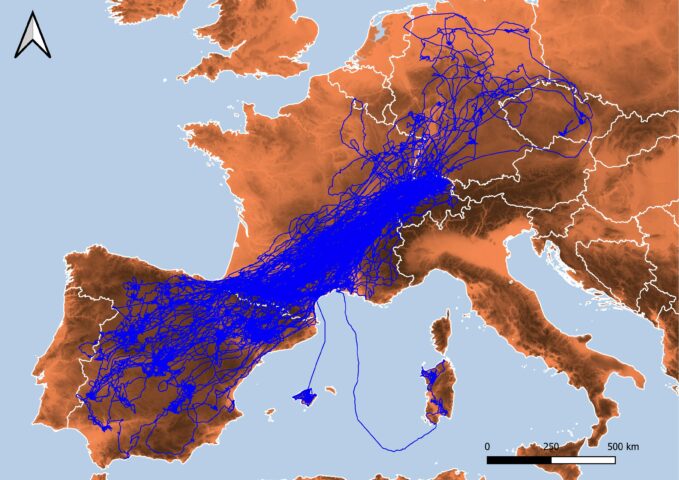
GPS tracks of tagged red kites showing migration and dispersal movements

©
©
Patrick Scherler
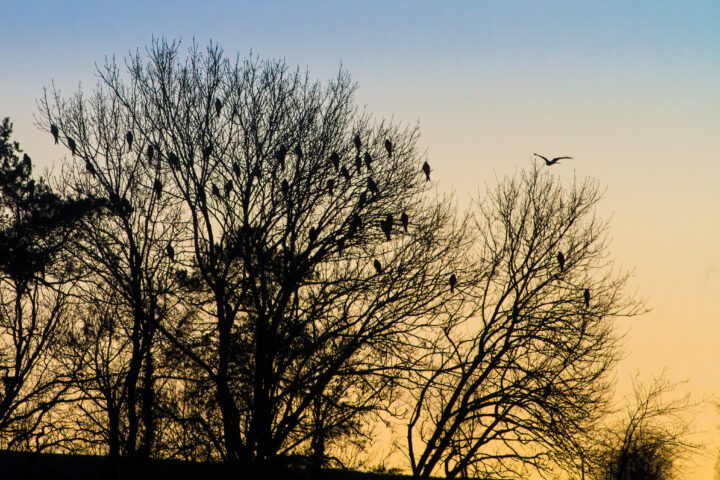
Winter time roosting site of red kites in Northern Switzerland

©
©
Patrick Scherler
More and more red kites spend winter in Switzerland instead of migrating
©
© Patrick Scherler

©
©
Patrick Scherler
©
©
Adrian Aebischer
©
©
Schweizerische Vogelwarte
©
©
Schweizerische Vogelwarte
©
©
Anna Sandor
©
©
Valentijn van Bergen
©
©
Patrick Scherler
©
©
Red kite project
©
©
Patrick Scherler
©
©
Patrick Scherler
Subadult red kite that just returned from spring migration and is looking for potential territories in the breeding range
Adult red kite with GPS transmitter
Tagging of red kite nestlings shortly before fledging
Red kite parents with their nestlings
Prey delivery to young nestlings
Download of GPS data from GPS-tagged red kites using a roof-mounted UHF antenna
Red kites parents confused toy with proper food for their nestlings
GPS tagged juvenile red kite at fledging age.
GPS tracks of tagged red kites showing migration and dispersal movements
Winter time roosting site of red kites in Northern Switzerland
More and more red kites spend winter in Switzerland instead of migrating
Mechanisms of population dynamics in Red Kites
Integrating individual movement behaviour into population ecology
Domain
Research
Unit
Ecological research
Topics
Distribution Ecology, Ecology, Evolution, Migratory Birds
Habitat
alpine habitats, farmland, forest, meadows and pastures, rivers & streams, rocky terrain, semi-open farmland, settlements, wasteland, wetlands
Project start
2015
Project status
ongoing
Project management
Patrick Scherler
Project region
Bern, Fribourg, Europe
Details
Project objectives
The project aims at a better understanding of the population ecology of long lived bird species by recording individual movement behaviours and link them with habitat characteristics at one hand and fitness measures at the other hand. It includes the fitness and demographic consequences of differential food availability affected by land use, climate change, and anthropogenic feedings, the mechanisms underlying partial migration behaviour, the drivers of natal dispersal and patterns and causes of mortality.
Methodology
Since 2015, we tagged 484 juveniles and 78 adult birds with solarpowered GPS transmitters in the Cantons of Fribourg and Bern, Switzerland, generating longterm information on movement and mortality patterns. Extensive territory mapping and nest controls have been done. Nest cameras recorded incubation behaviour, food deliveries and survival of the nestlings. We conducted food supplementation experiments during different seasons to identify the effect of food availability and anthropogenic feeding on reproduction, survival, natal dispersal and migration behaviour.
Significance
Given the significant fraction of Europe’s Red Kites occurring in Switzerland, the country has a large responsibility for the species. Our project will identify the drivers shaping the population dynamics of Red Kites which is pivotal for its conservation at the European distributional scale. The unprecedented sample of GPS tracked individuals combined with an experimental approach will enhance our understanding of the causes of the population increase in Switzerland in particular, and the mechanisms of natal dispersal in long-lived bird species and of partial migration in general.
Results
Our analyses showed a high availability of anthropogenic food in the study area for facultative scavengers like the red kite. High food availability and early position in the hatching rank were associated with reduced stress levels, increased survival, early departure from the parental home-range, changed range use after independence, and higher probability of shifting from migrant to resident strategy. Habitat preferences were stronger for the settlement phase than during prospecting. Migratory behaviour, reproduction and survival all showed clear age and space patterns.
Further information
We are engaged in a large network of collaborators across Europe to study population ecology, movement ecology and population genetics of Red Kites throughout its global range. The collaborative project will help elucidating the phylogeographic history, demographic processes, and migration at a European scale.
Project partner(s)
Financial support
- Schweizerischer Nationalfonds
- Stiftung Yvonne Jacob
 Patrick Scherler
  Reto Burri
  Benedetta Catitti
  Martin Grüebler
  Urs Kormann
  Steffen Oppel
  Michael Schaub
 Species concerned


Unit
Ecological research
We investigate the diverse interactions of birds with their environment, from individual settlement behaviour to species communities.