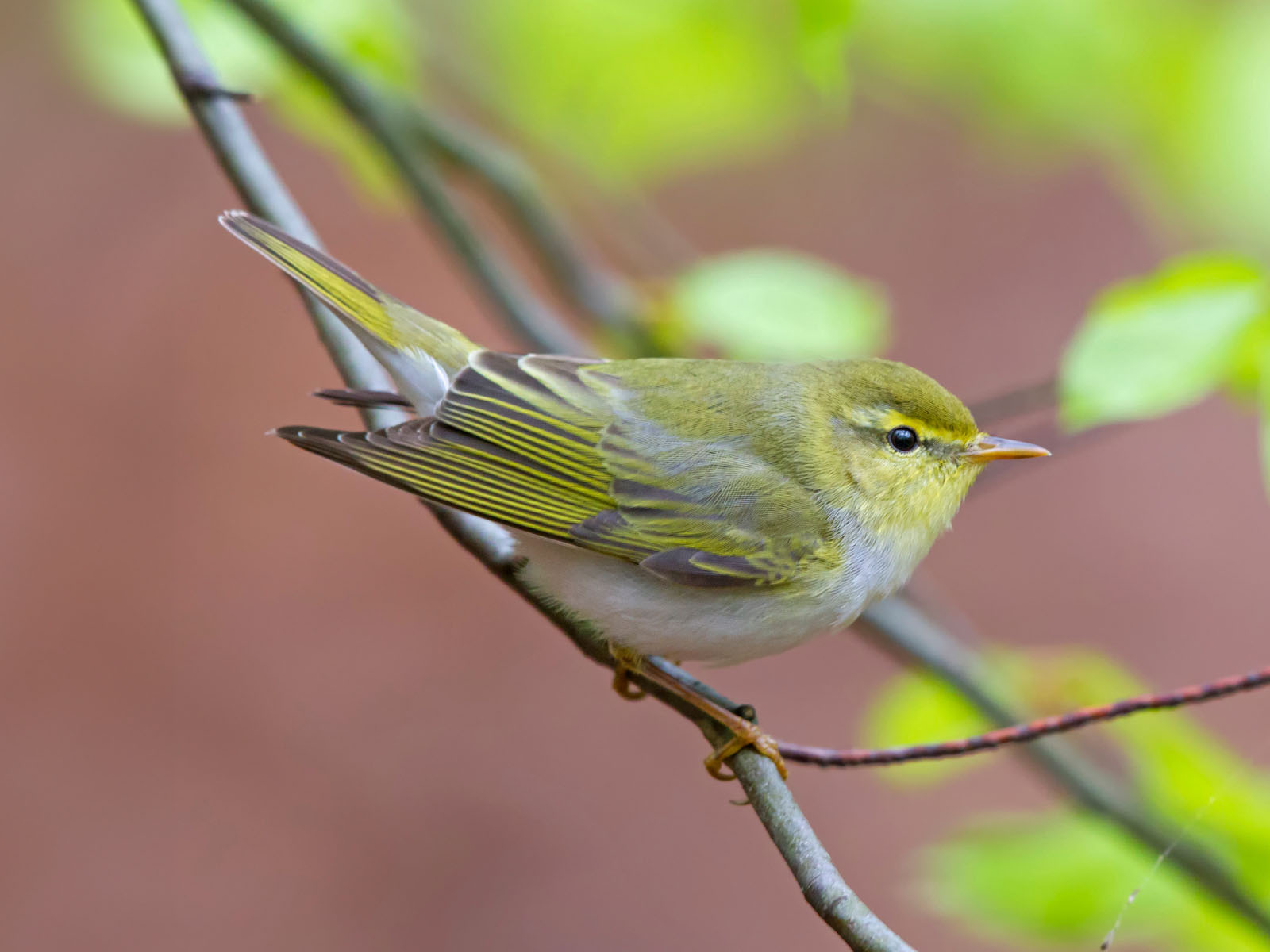

Settlement behaviour and reproduction success of the wood warbler (Phylloscopus sibilatrix) in relation to visual and auditory proxies of predation risk
Riepilogo
In a changing environment, a continuous effort to gain information about habitat characteristics is curtail for animals to assess habitat quality. Intermittent resource pulses change habitat quality significantly by increasing the density of seed-consuming rodents and rodent-hunting predators which in turn entails an increased predation risk for secondary prey like song birds. The avoidance of areas with a high rodent abundance by the wood warbler Phylloscopus sibilatrix, a ground nesting passerine, was initially presumed to have been the result of predator avoidance because rodents are common nest predators of songbirds. However, rodents very rarely predate wood warbler nests, thus, rodent avoidance might be the by-product of avoiding incidental nest predation by rodent-hunting predators. However, it remains unknown which cues the wood warbler uses to assess habitat quality in relation to predation risk, which is affected directly or indirectly by resource pulses. In this study, I used mounted specimen as visual cues and species-specific playbacks as auditory cues of the three main predators of wood warbler nests: Eurasian jay (Garrulus glandarius), red fox (Vulpes vulpes) and marten (Martes martes). Within 48 experimental plots (5 ha each), I spatially and temporally manipulated apparent predator abundance and employed a regular mapping of the territories and nests to examine responses of wood warblers in terms of settlement timing, settlement probability, territory density, clutch size, the number of chicks fledged and the daily nest survival rate. Wood warblers did not respond to a simulated increase in predator abundance which might be caused by a low simulated density of predators. Alternatively, wood warblers might use other cues to decide where to settle. Olfaction in birds is mostly overlooked; but the ability to recognise long-lasting chemical cues could imply a variety of advantages when it comes to the time-limited settlement decision. Consequently, I emphasise pursuing research into how wood warblers are able to detect chemical cues and therefrom deduce a potential predation risk.