


Innovation, measured as the ability to find innovative solutions or to learn new ones, can play a key role in the ability of individuals to survive and reproduce successfully in the wild, particularly nowadays under conditions of strong and rapid environmental change. However, it is still largely unknown how and why some individuals are more innovative than others. This project aims to elucidate what makes some birds more innovative, and to better understand the benefits, but also the costs, of innovation.
©
© Anne Cillard
©
©
Anne Cillard
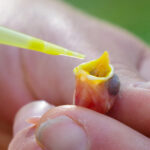
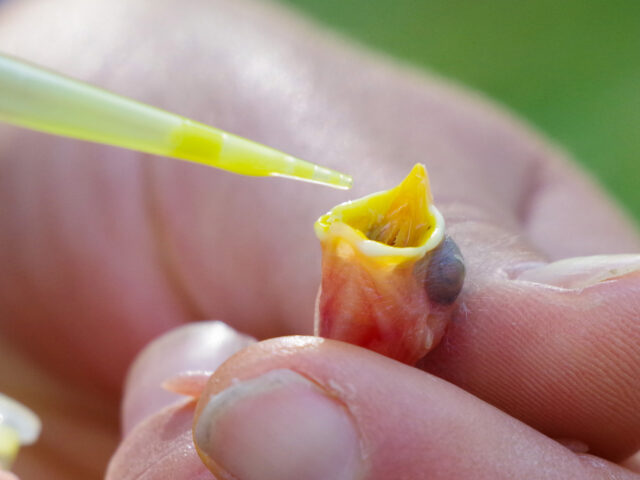
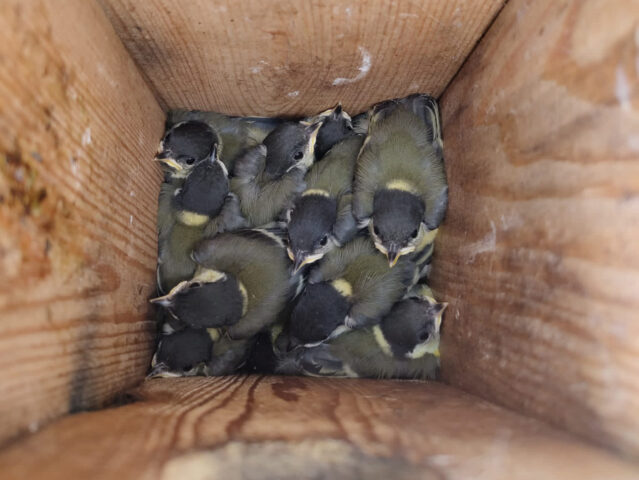
Antioxidant supplementation in nestling great tits
©
©
Anne Cillard
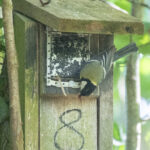
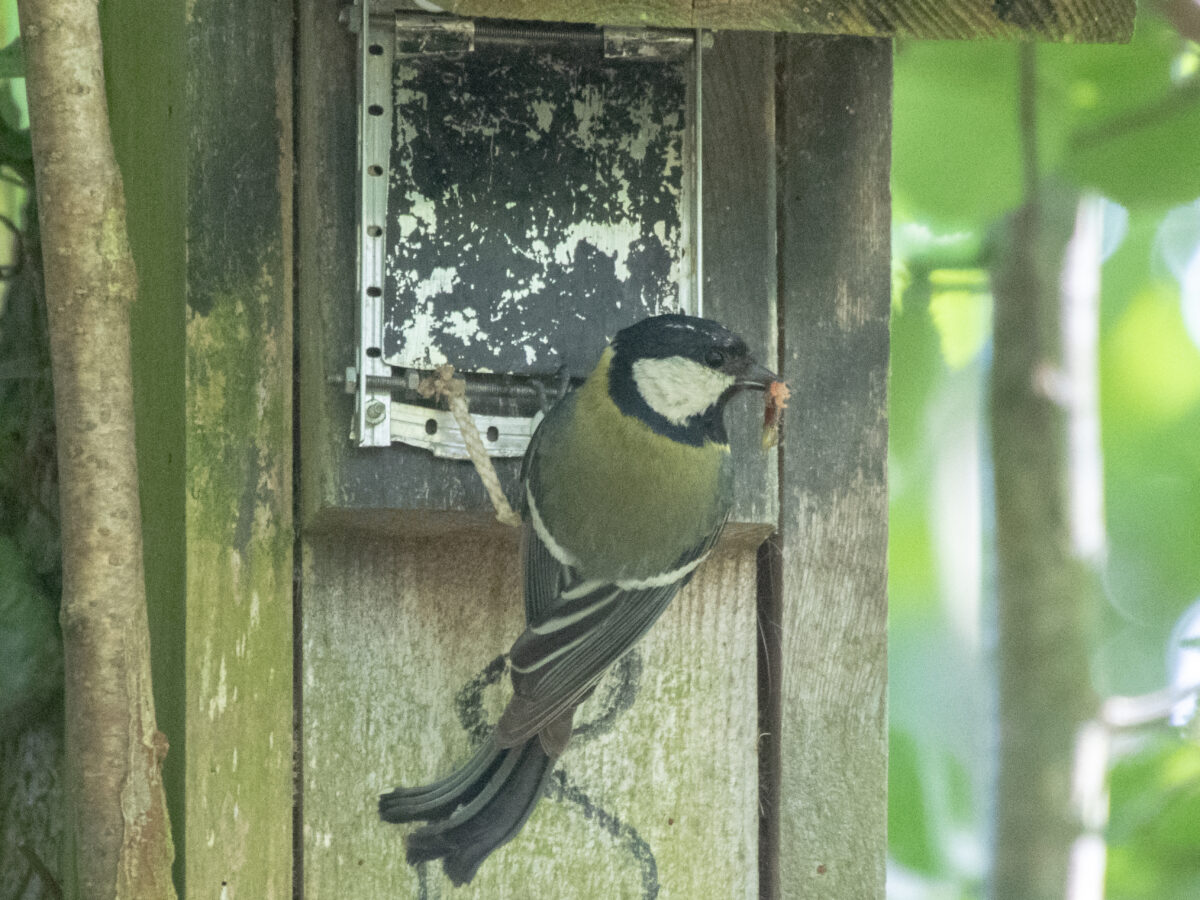
Problem-solving task in adult great tits
©
©
Anne Cillard
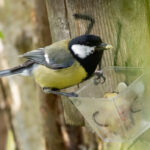
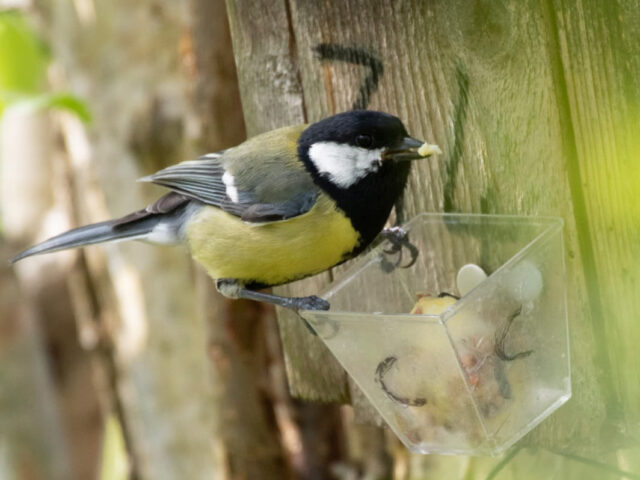
Food supplementation in adult great tits
©
©
Anne Cillard
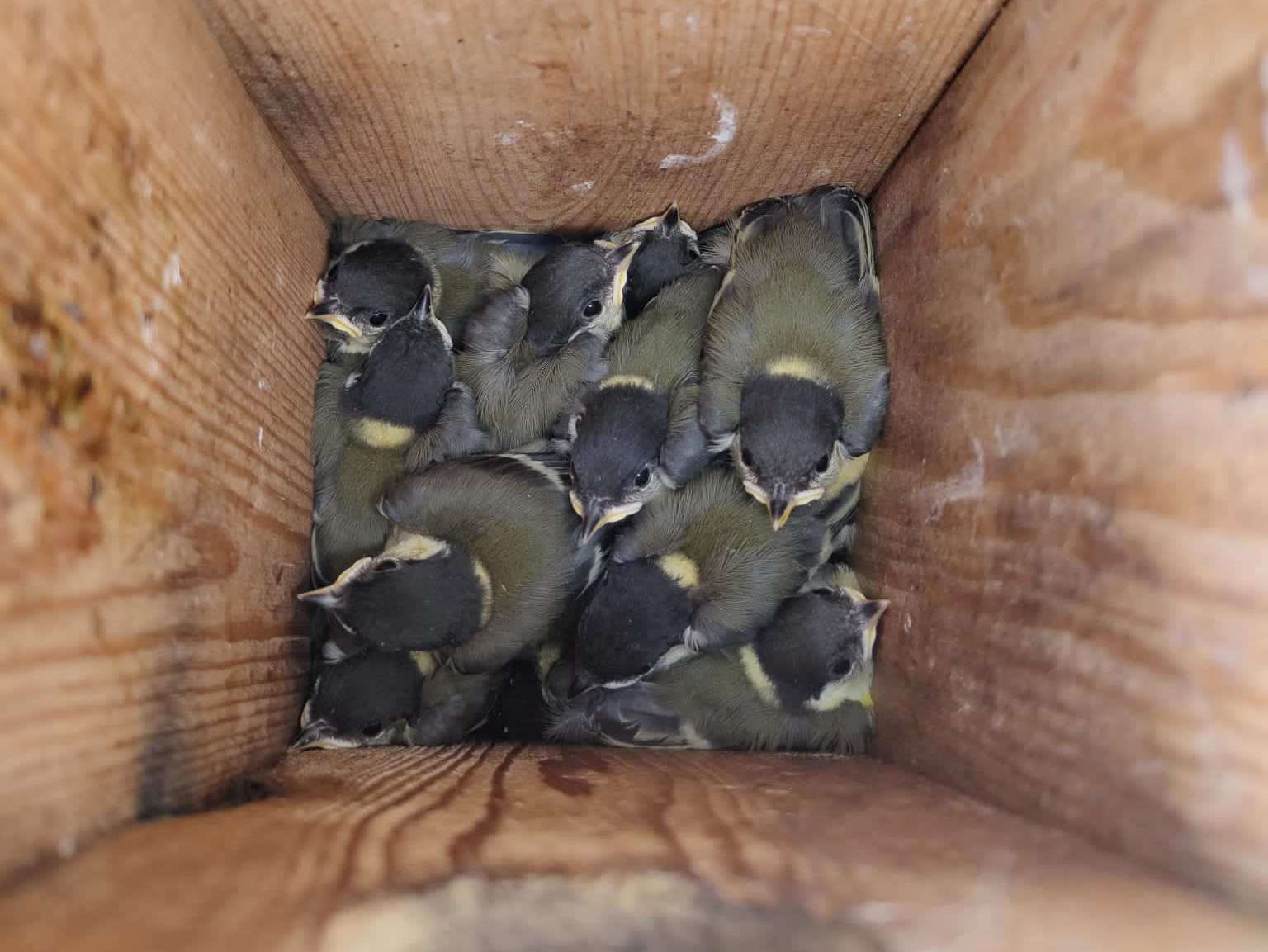
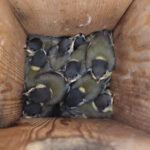
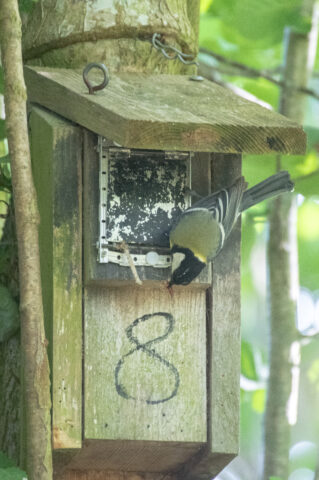
Successful brood of great tits
©
©
Anne Cillard
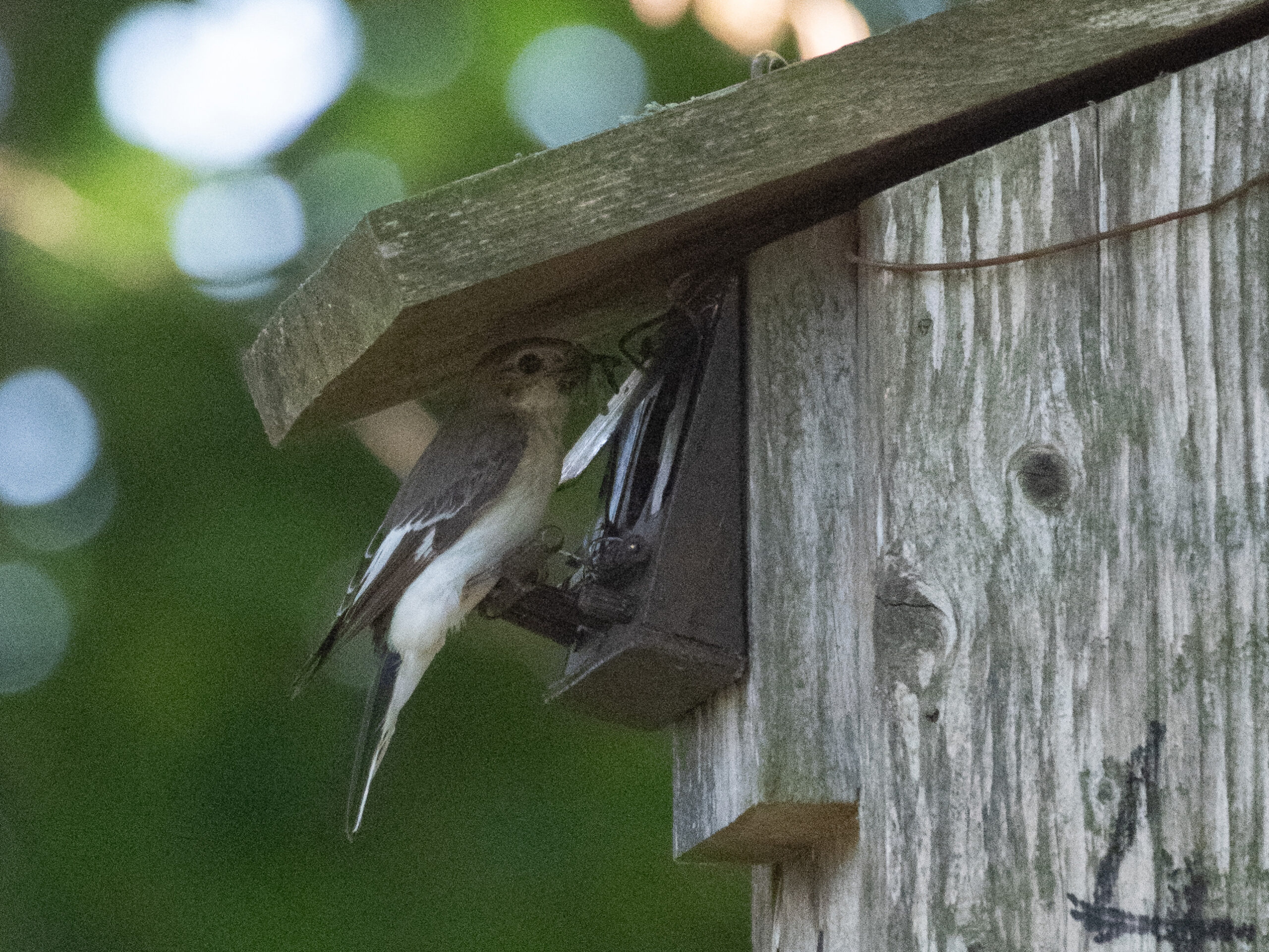
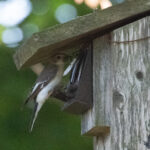
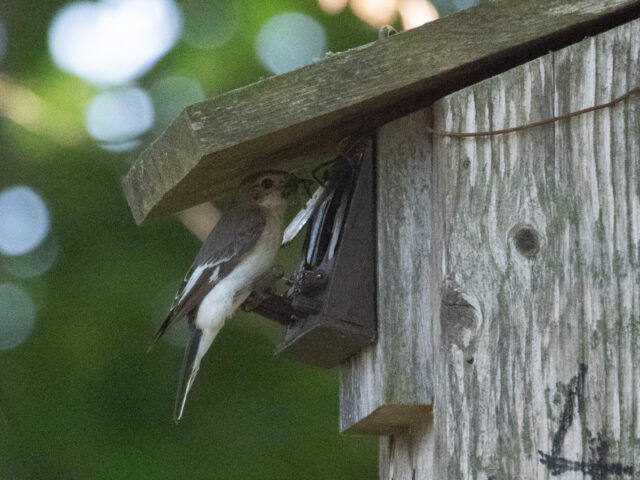
Learning task in adult collard flycatchers
©
©
Anne Cillard
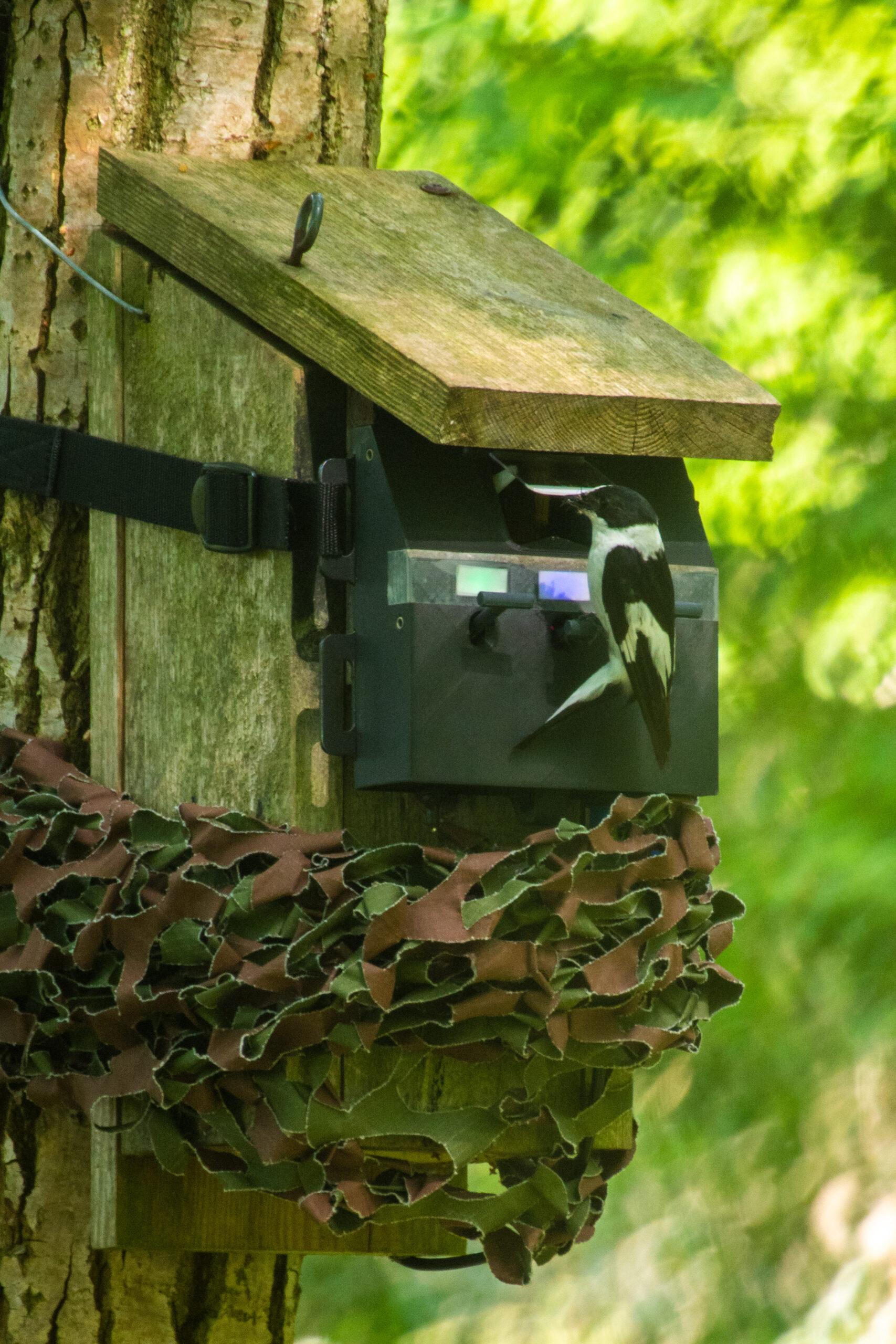
Automatic learning task in adult collard flycatchers

©
© Anne Cillard
©
©
Anne Cillard
©
©
Anne Cillard
©
©
Anne Cillard
©
©
Anne Cillard
©
©
Anne Cillard

©
©
Anne Cillard
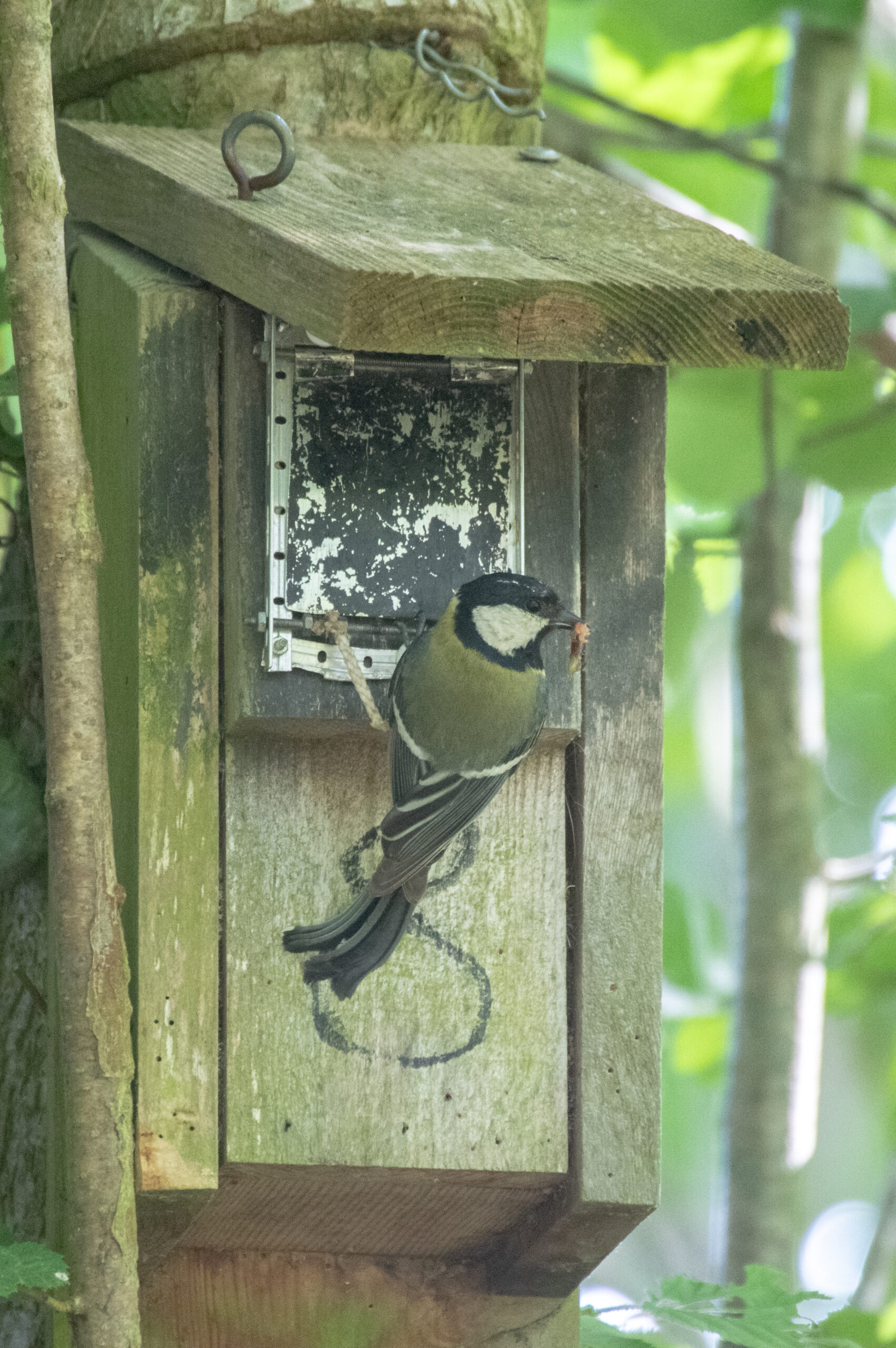
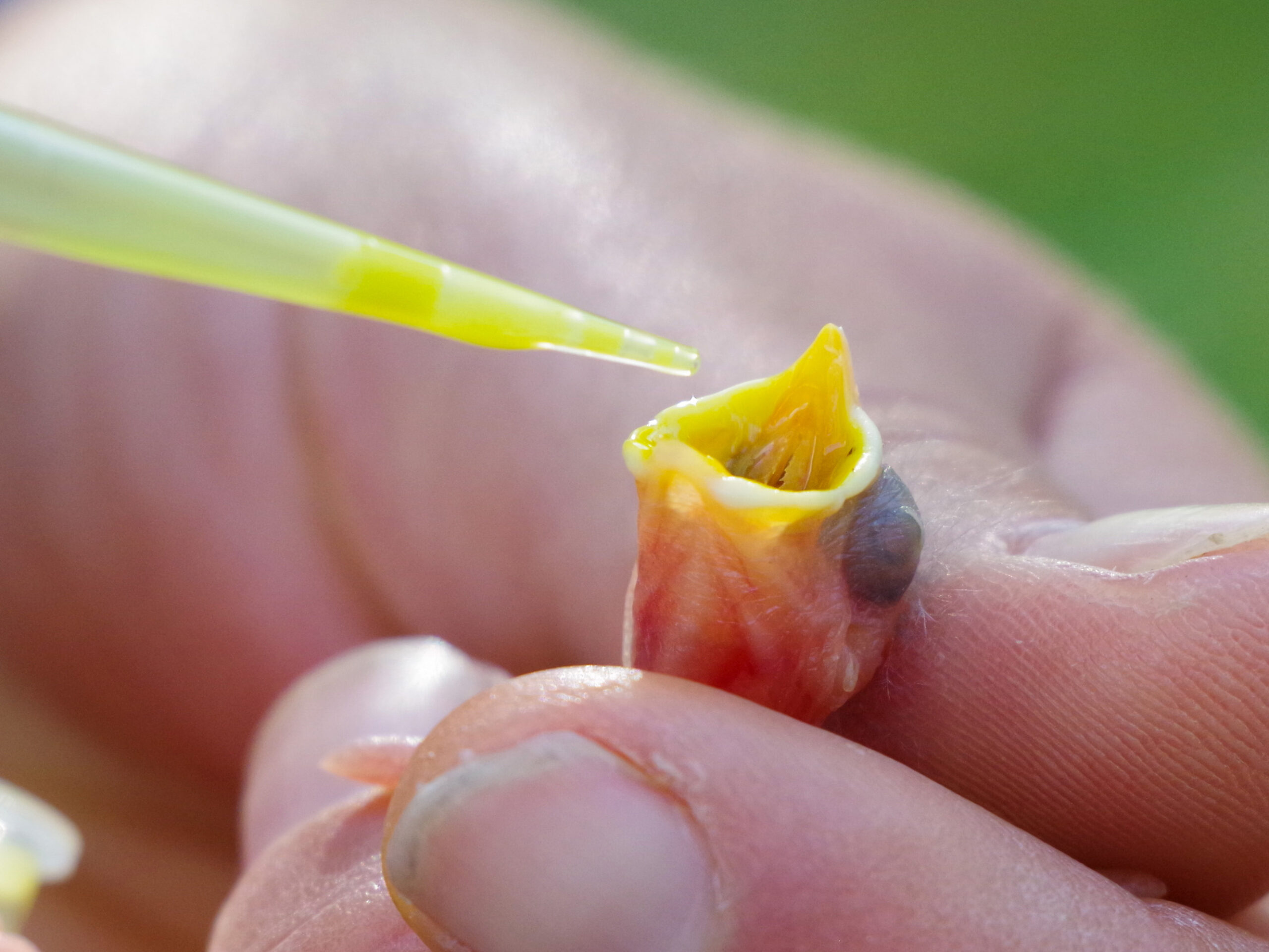
Antioxidant supplementation in nestling great tits
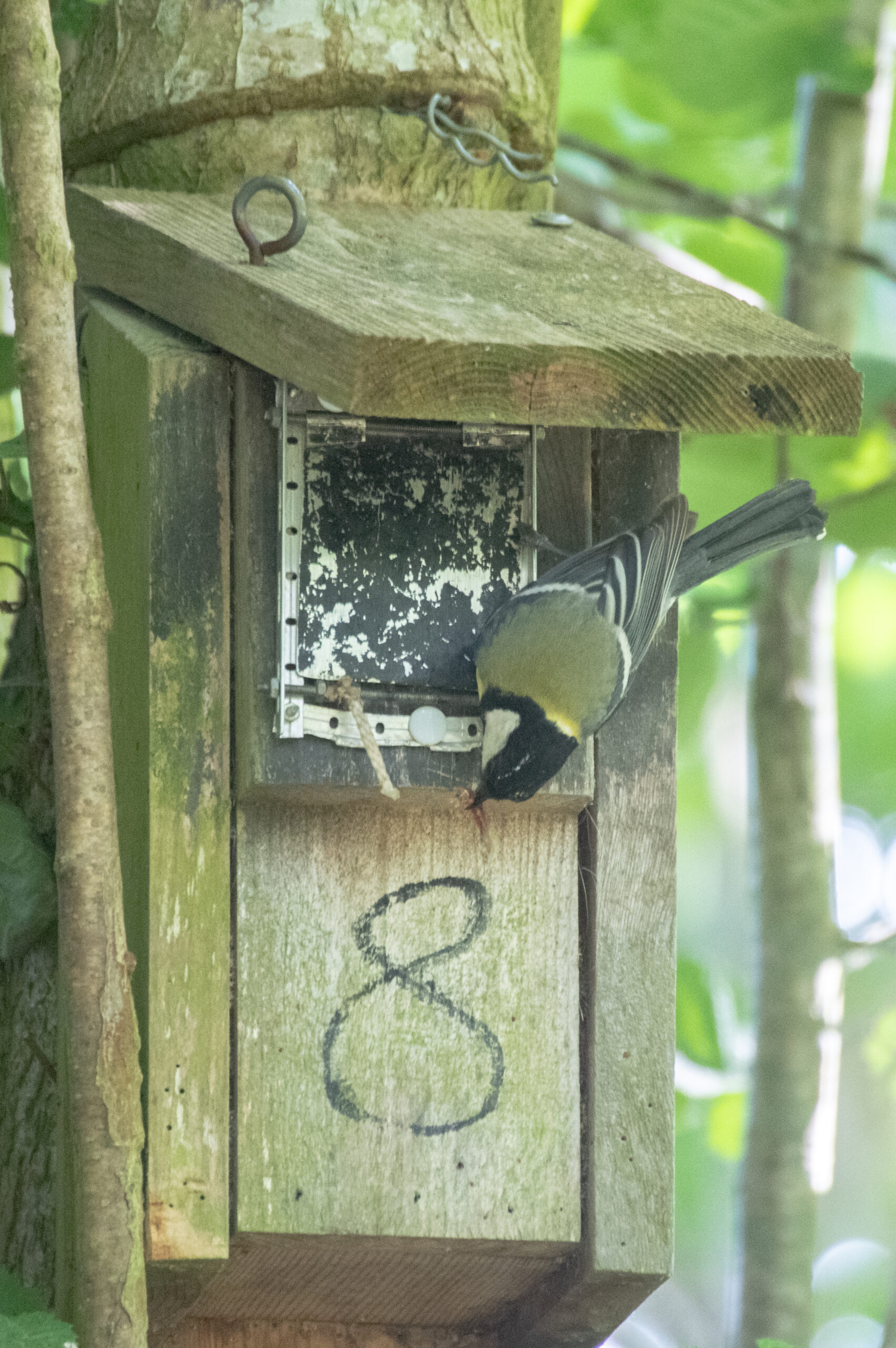
Problem-solving task in adult great tits
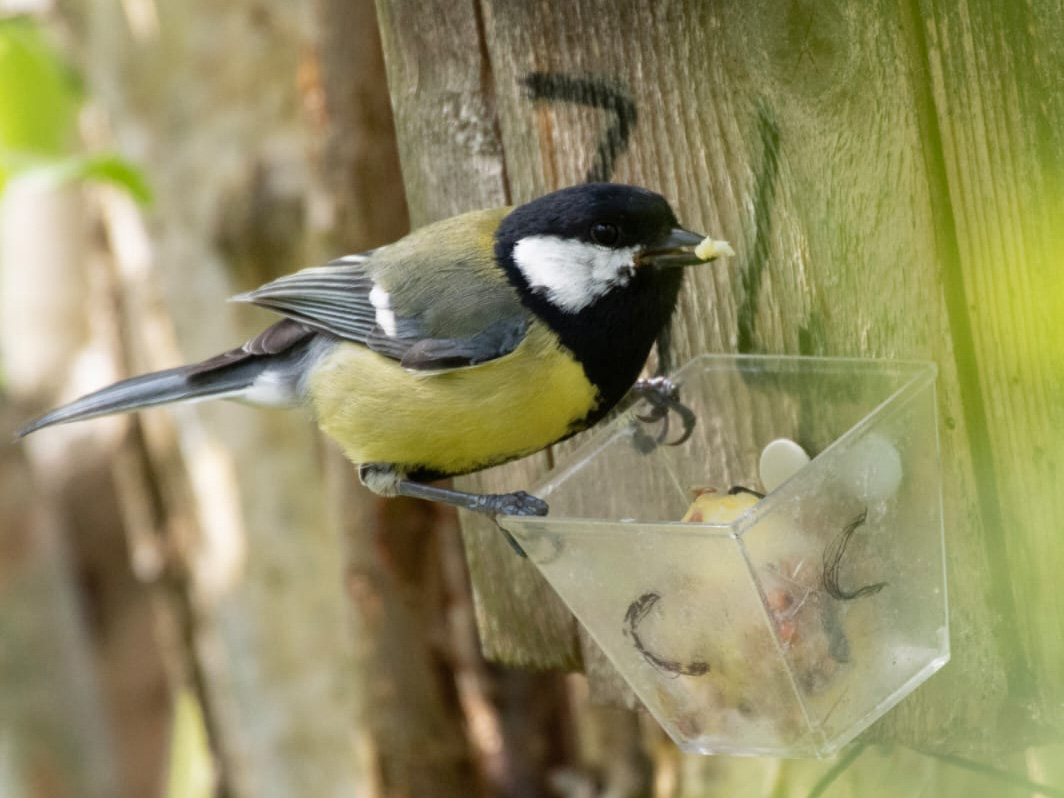
Food supplementation in adult great tits
Successful brood of great tits
Learning task in adult collard flycatchers
Automatic learning task in adult collard flycatchers
Importance of bird innovation in a changing world
Can being innovative help birds adapt to rapid changes in their environment?
Domain
Research
Unit
Anthropogenic influences
Topics
Birds and Human Beings, Ecology, Evolution
Habitat
alpine habitats, farmland, forest, meadows and pastures, rivers & streams, rocky terrain, semi-open farmland, settlements, wasteland, wetlands
Project start
2022
Project status
ongoing
Project management
Pierre Bize
Project region
Europe
Employees


Species concerned


Unit
Anthropogenic influences
We want to understand how human influences affect the well-being, behaviour and individual fitness of birds.
