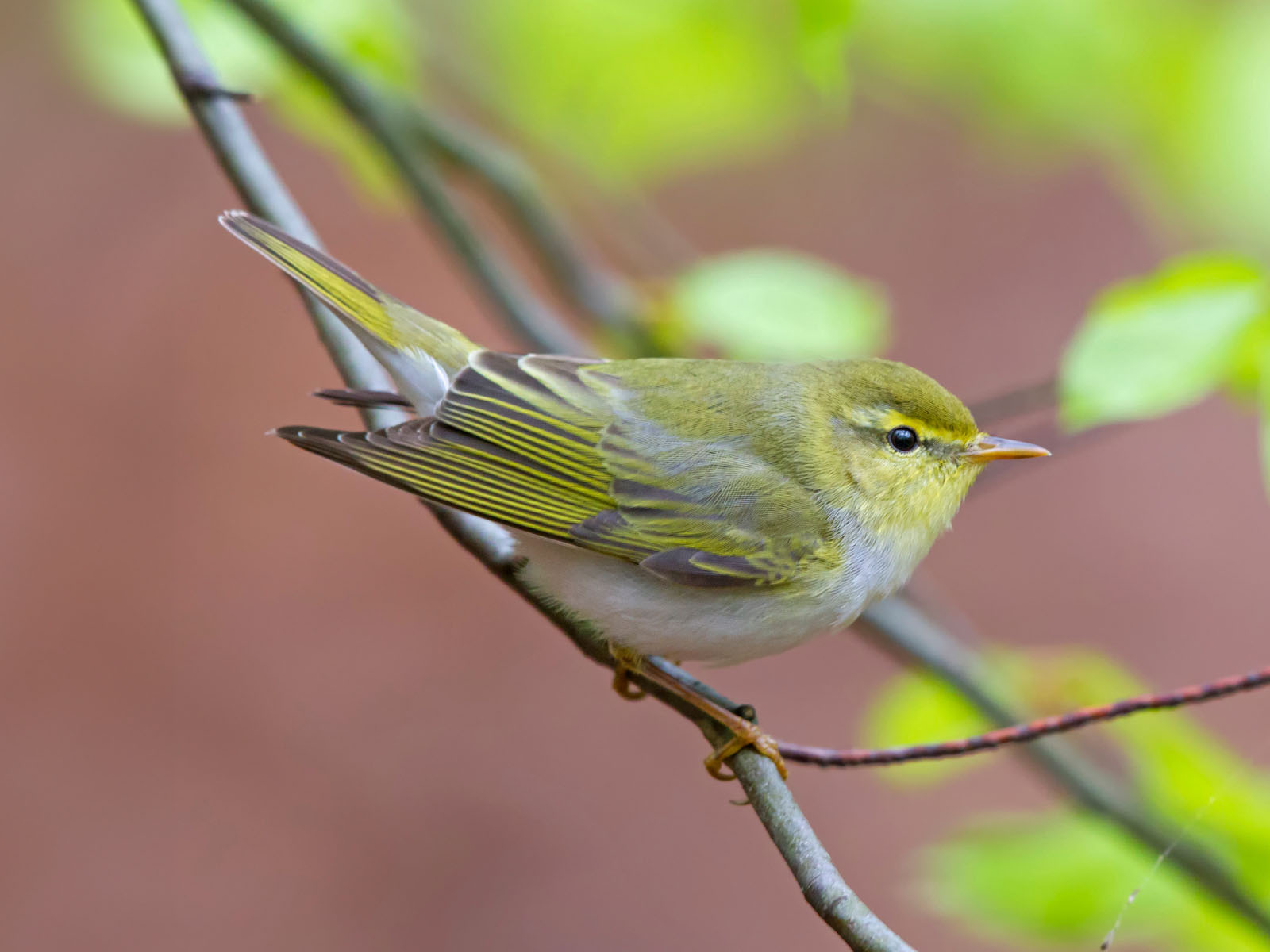

Singing behaviour of the Western Bonelli’s warbler correlates with social context and environmental factors
Abstract
Passerines modify their song in response to biotic and abiotic factors. To attain context-specificity, species with small song type repertoires must fine-tune their song. We examined diel and seasonal variations in relation to social and environmental contexts in the song of western Bonelli’s warblers Phylloscopus bonelli, a species with a structurally simple song, focusing on four song variables: singing activity, syllable switch probability, syllable diversity and vocal deviation. Singing activity was higher in unpaired than in paired males and reached its minimum during the nestling stage. Paired males sang less with ongoing season while unpaired males kept their singing activity high. Singing activity was lower during rainy than dry conditions. Syllable switch probability and syllable diversity peaked during pre-incubation stage while vocal deviation attained its minimum during this stage. As the only structural song variable, vocal deviation was positively correlated with temperature and precipitation. Our results suggest that a high singing activity might serve for mate attraction or territory defence in unpaired males while syllable switch probability, syllable diversity and vocal deviation might play a role in extra-pair mate attraction or mate guarding after pairing. Our study shows how passerines with unsophisticated songs can modify their song according to social and environmental context.
Employees