

PUBLICATIONS
Songbird population dynamics are related to the frequency of massive tree seed production in European deciduous forests
Abstract
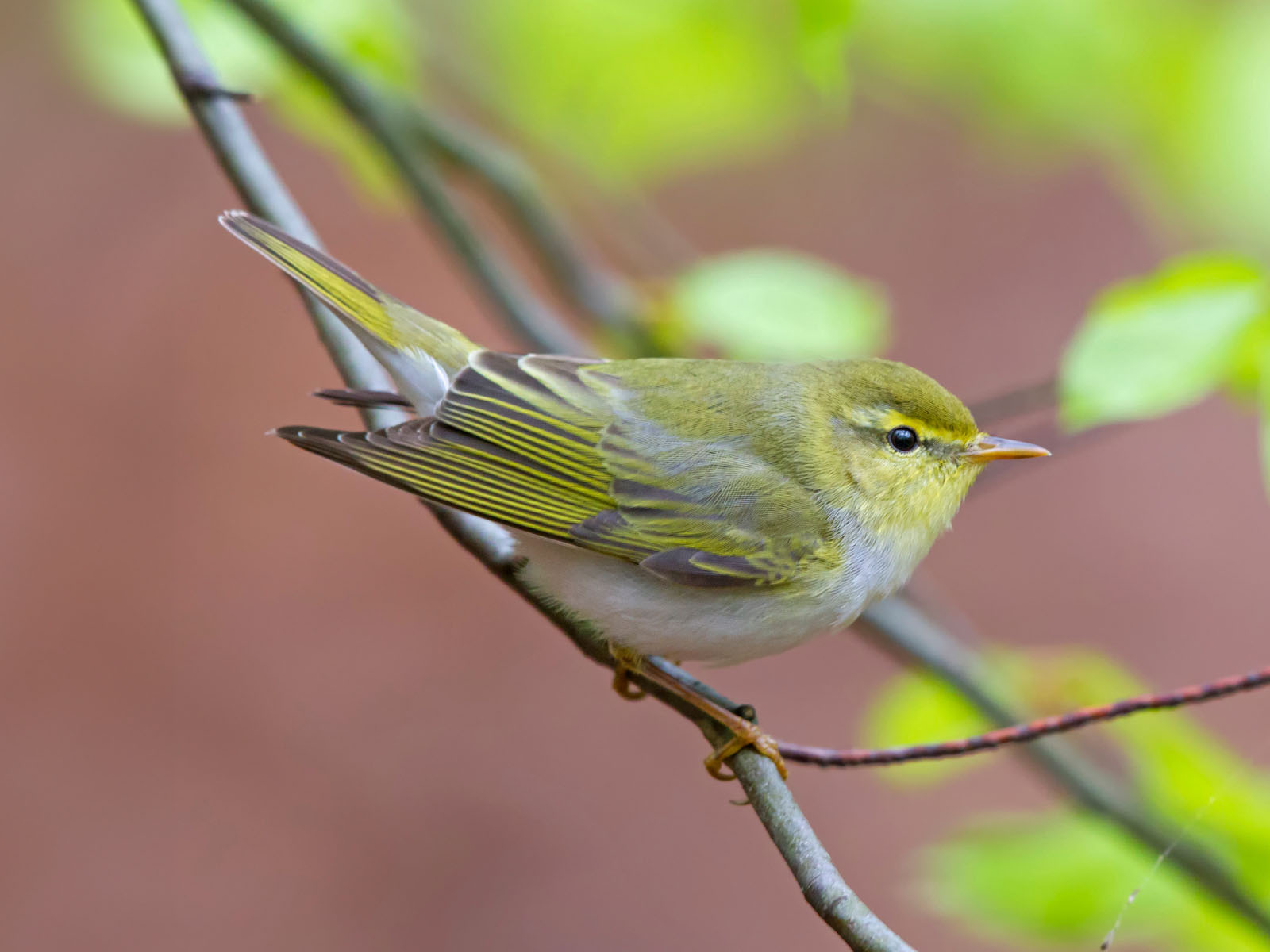
In European deciduous forests, the massive and intermittent production of tree seeds (i.e., masting) is a resource pulse causing cascading effects throughout the ecosystem. Due to increased predator abundance in years after masts, wood warblers (Phylloscopus sibilatrix) reproduce less well than in years after non-masts, which translates to lower population growth rates in regions with high mast frequency. Increasing frequency of mast years and average seed production are related to global warming, potentially affecting population trends of other species inhabiting ecosystems characterized by resource pulses. These current circumstances call for more demographic investigations of species affected by masting.
Employees


Projects
Population ecology of the wood warbler
Wood warblers live in mid-aged to old mixed deciduous forests. In irregular intervals, trees in t...
More about the project