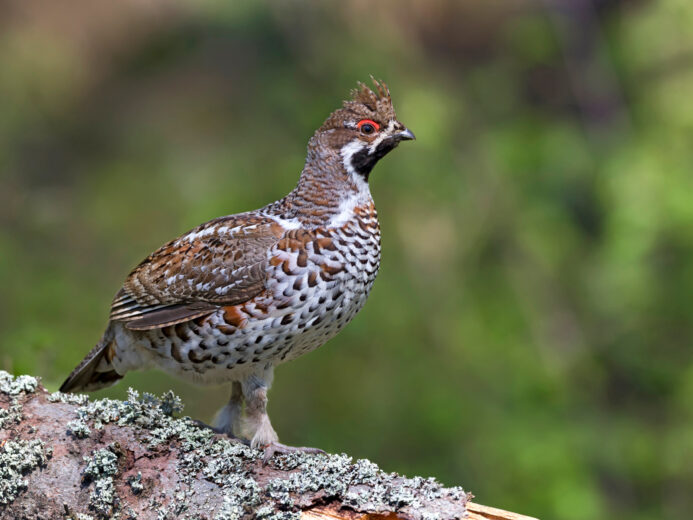
Hazel Grouse
©
© Ralph Martin
Conservation programme for birds in Switzerland - Priority species

Hazel Grouse

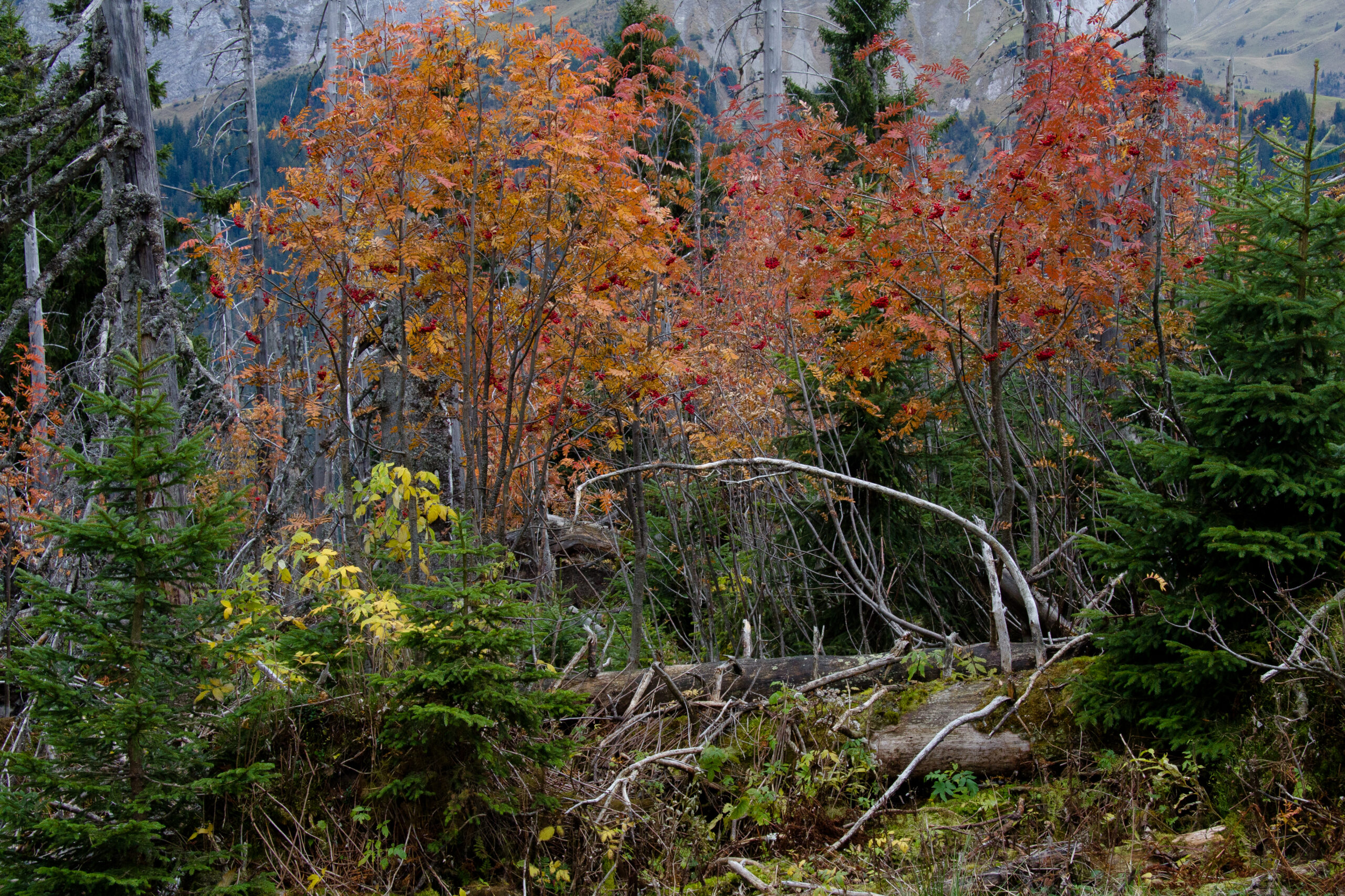
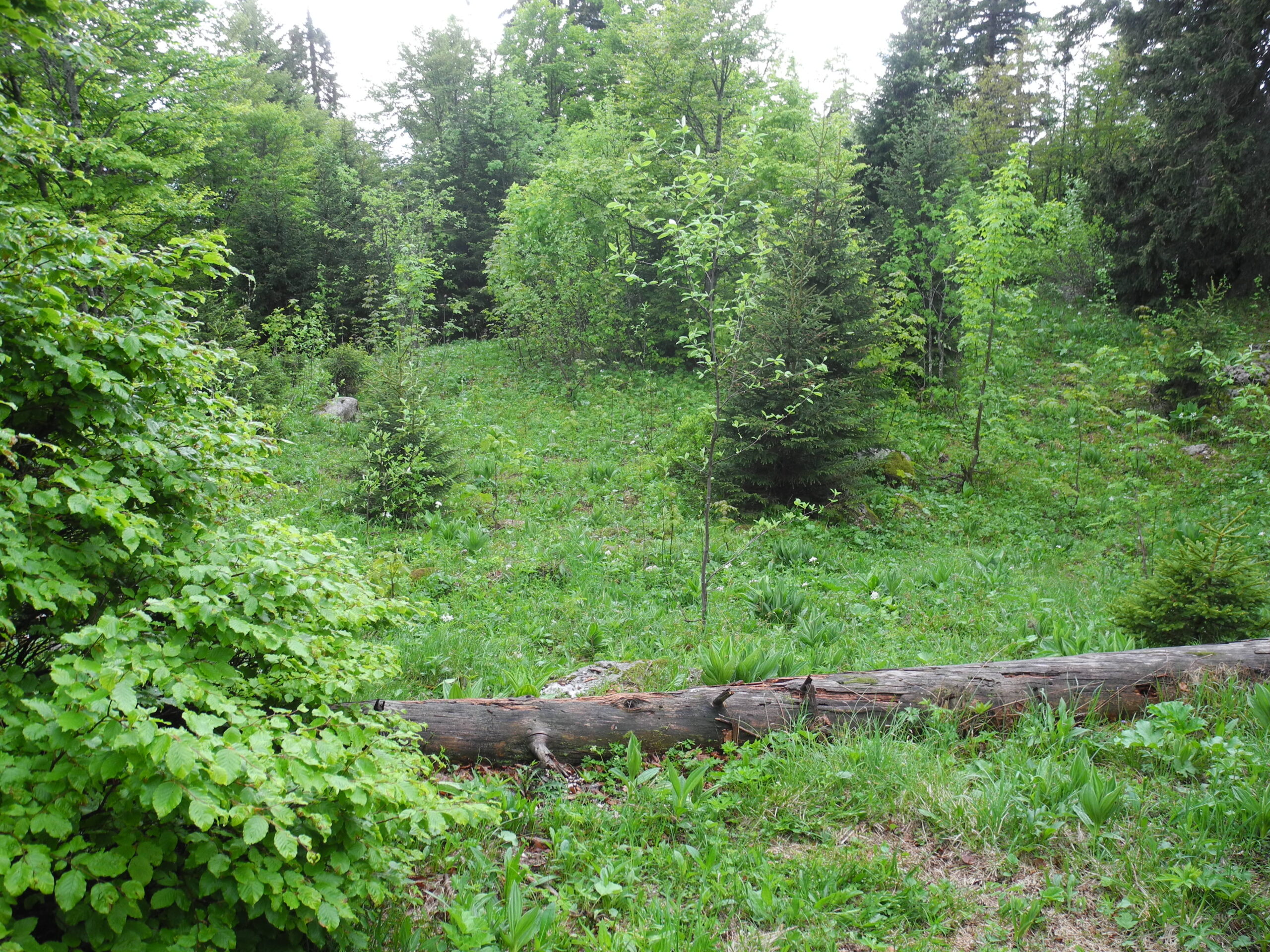
The Hazel Grouse is the smallest of the four grouse species native to Switzerland. It lives in coniferous and mixed forests in the Alps and the western Jura and prefers diverse forests with well-developed herb and shrub layers. The population size was estimated at 3,000–5,500 pairs for the Breeding Bird Atlas (2013–2016). Within its distribution range the trend seems to have been basically stable for some time. Only in the eastern and central Jura has the Hazel Grouse lost some habitat in recent decades. Key for the Hazel Grouse are shrub species bearing berries or catkins, which are the main food source for this species, especially in the colder part of the year.

Distribution and development

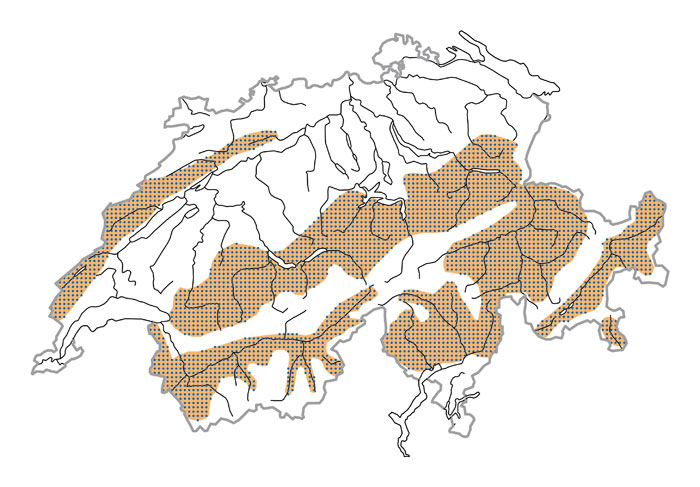
Schematic distribution
Verbreitung - Hazel Grouse
Schematic distribution during the breeding season (ochre), in winter time (dotted in blue) or during migration periods (dotted in vinaceous).
Breeding bird index
The graph shows the relative evolution of the breeding population in Switzerland (100 = mean value). Example: A value of 130 means that the population in the corresponding year was 30% above the mean value of the entire period considered.
Distribution and prevalence in Switzerland
  • Widespread in the Alps and along the foothills of the Alps above an altitude of approx. 1100 m asl and on high ground in the western Jura.
  • Population estimated at 3,000–5,500 pairs (2013–2016).
Development in Switzerland
  • Slight decline in the eastern and central Jura, otherwise trend in range assumed to be stable.
International
  • Main distribution in northern and north-eastern Europe from Norway to Russia, also in the Alps, Carpathians and Balkans.
  • Either disappeared from or critically endangered in low mountain ranges in western Europe such as the Black Forest or the Vosges.

Habitat and food

Habitat
Forests
Mixed forests, Coniferous forests, Forest edges
Food
Insects and spiders
Insects, Spiders, Small insects
Fruits
Berries
Plants
Buds, Herbaceous plants
Habitat and food requirements

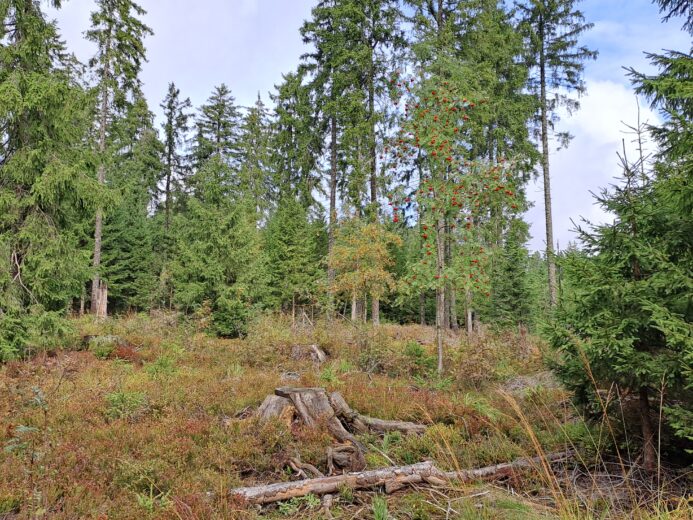
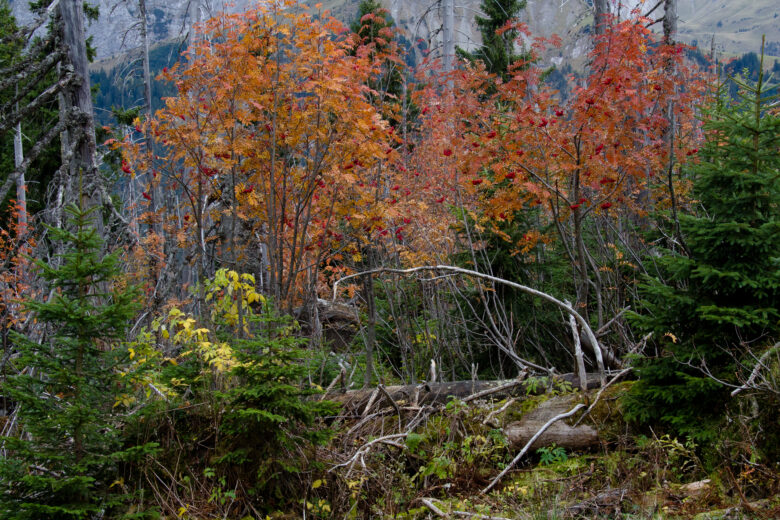
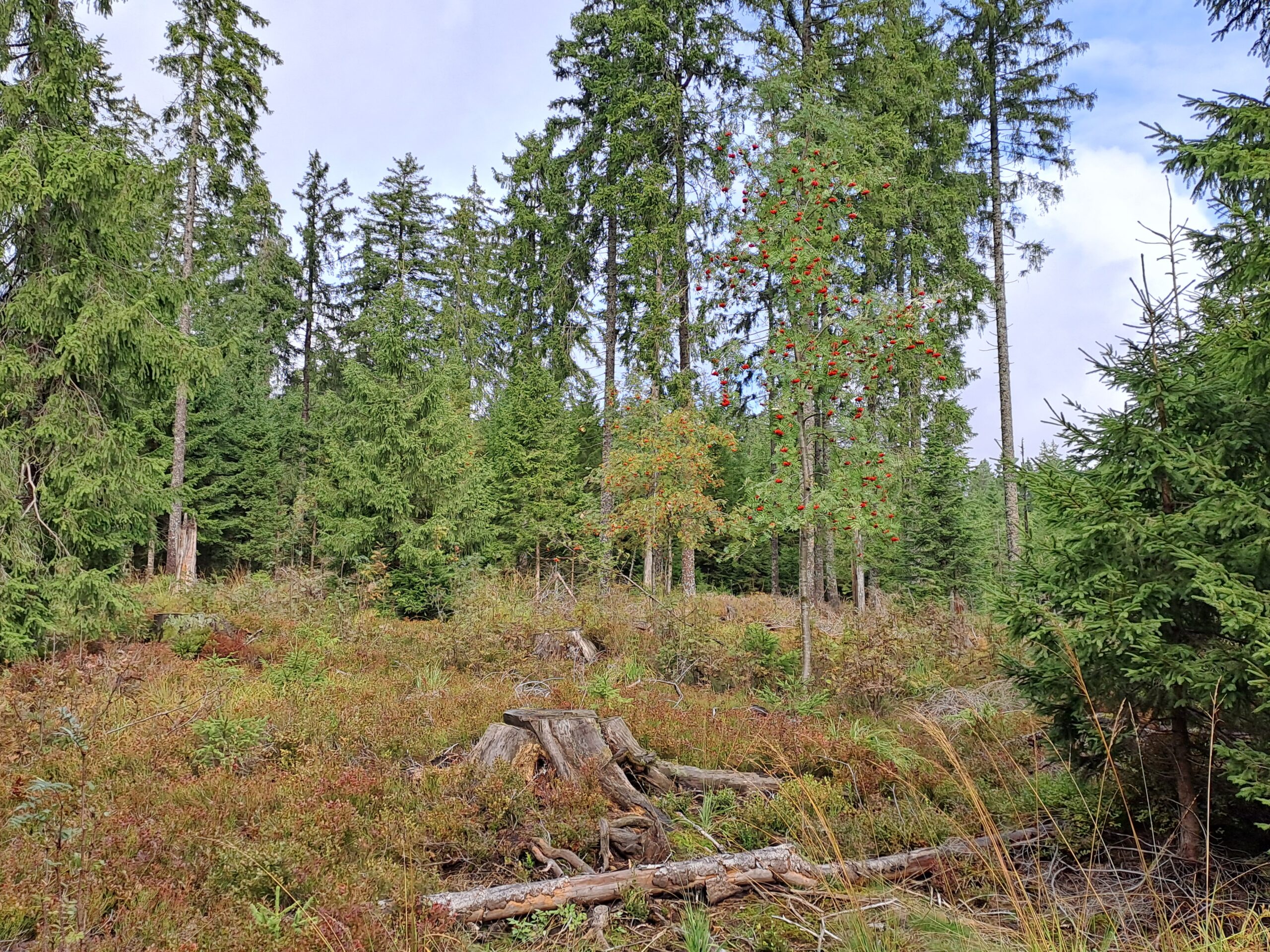
The Hazel Grouse inhabits coniferous and mixed forests. It is rarely found in purely broad-leaved forests. Having enough cover in the form of a well-developed herb and shrub layer is important, as well as sufficient food plants.

Feeding habitat

  • Hazel Grouse eat buds, leaves and shoots of plants, as well as berries.
  • If there is snow on the ground, they seek out berries and catkins on shrubs.
  • In the first weeks of life, chicks eat arthropods.

Nesting site

  • Like all grouse, Hazel Grouse are ground-nesting birds.

Winter habitat

  • Their winter habitat is essentially the same as in summer. However, the birds spend much more time on trees and shrubs.
Conservation programme for birds in Switzerland - Priority species

Hazel Grouse

The Hazel Grouse is the smallest of the four grouse species native to Switzerland. It lives in coniferous and mixed forests in the Alps and the western Jura and prefers diverse forests with well-developed herb and shrub layers. The population size was estimated at 3,000–5,500 pairs for the Breeding Bird Atlas (2013–2016). Within its distribution range the trend seems to have been basically stable for some time. Only in the eastern and central Jura has the Hazel Grouse lost some habitat in recent decades. Key for the Hazel Grouse are shrub species bearing berries or catkins, which are the main food source for this species, especially in the colder part of the year.
Priority species at national level
The ‘responsibility’ factor describes the international significance of the Swiss population of a species. The allocation to responsibility classes was based primarily on geographical distribution (Switzerland, Europe or worldwide) and the genetic and/or ecological significance of Swiss populations.
  • Exclusive responsibility
  • Very high responsibility
  • High responsibility
  • Responsibility
  • Joint responsibility
  • Minimal joint responsibility
Operational level
The level at which measures should be taken for all national priority species is specified within the framework of specific 'species conservation' (SC), 'habitat conservation' (HC), or the biodiversity-friendly use of natural resources on the ""entire territory"" (ET) by all sectoral policies. Each species has been assigned to only one level. If measures at the 'entire territory' (ET) level are insufficient for the conservation and promotion of the species, measures at the second level, 'specific habitat conservation' (HC), are required. If this is also insufficient, specific 'species conservation' (SC) measures must also be applied. Therefore, a species requiring specific species conservation measures must also be given special consideration when implementing measures at the 'specific habitat conservation' and 'entire country area' levels.
  • SC species conservation
  • HC habitat conservation
  • NT national territory
SC
Urgency
An expert assessment was made of the urgency with which measures should be implemented, continued and/or newly planned for all species assigned to the specific 'species conservation' and 'habitat conservation' action levels. The two factors of endangerment and international responsibility were considered, as were the prospects of success.
  • Necessary and important
Circle
Circle
Circle
Population in Switzerland
(2025)
The population estimate indicates how many pairs bred during the specified period. As this number fluctuates from year to year and due to uncertainties in population surveys, a range is given. For some species that are difficult to survey, only displaying males are listed. The population estimates cannot be simply doubled to derive the number of individuals. The number of birds is much higher after the breeding season, some birds take years to reach reproductive maturity, and in some cases the sex ratio is not 1:1.
3000-5000pairs
Red List
Red lists are based on the scientific criteria of the IUCN and assess the risk of extinction of a species. This helps to identify where there is a particularly urgent need for action in nature conservation.
  • Near Threatened (NT)

Project managers

Threats, activities and forecasts
Limiting factors and threats

By far the most important limiting factor for the Hazel Grouse in Switzerland is the structure of the forests. Hazel Grouse need a minimum proportion of conifers for visual protection from predators, as well as berry- or catkin-bearing shrub species.

 
Breeding season
  • The weather in the months of June and July is essential to breeding success, with wet weather increasing chick mortality.
  • Good cover is important for protection against predators such as foxes, martens, eurasian goshawks and eurasian sparrowhawks.
 
Migration/ Winter
  • In winter, Hazel Grouse depend on berry- or catkin-bearing shrub species because once there is snow on the ground this is the only food they can find.
Show more
Necessary activities
Monitoring
  • The only monitoring of the Hazel Grouse in Switzerland is through the recording of random observations, primarily by the Swiss Ornithological Institute, and in some cases also by individual cantons.
  • In the central and eastern Jura, more intensive monitoring would be key to improving conservation of the species.
 
Conservation
  • Small-scale conservation projects in individual cantons, first in Valais and Neuchâtel, now also in Uri.
  • Improvements are aimed at providing sufficient space and thus, also light for its main food plants and ensuring there is sufficient cover.
  • What is most needed is a project to clarify where in the Jura conservation is possible and appropriate.
 
Research
  • The Swiss Ornithological Institute is testing the possibility of verifying the presence of Hazel Grouse using automatic sound recording devices and analysis software.
Show more
Prospects for success and prognostics
  • In the Alps (including foothills) above approx. 1100 m asl, the outlook for the Hazel Grouse is good. The conditions (coniferous forest, plenty of berry-bearing shrubs) are right.
  • In the Jura, forest dynamics (retreat of coniferous species, increasing dominance of deciduous species) mean that it is likely to retreat to higher elevations, so in the long term the species will probably survive only in the western Jura.
Show more
Conservation measures and stakeholders
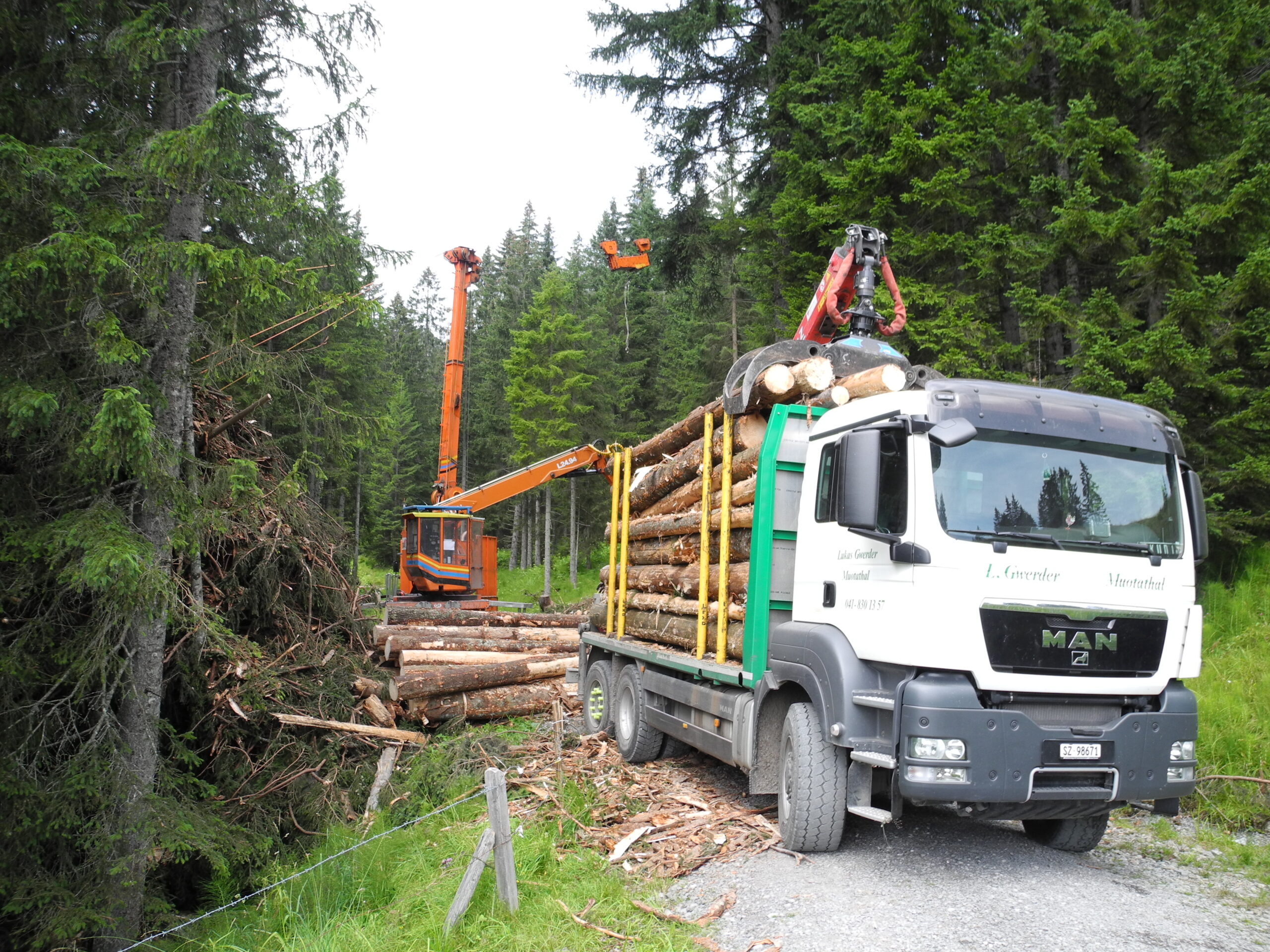
Create patchy vegetation

Creating patchy forests through forest management.
Show more
Cantons
Forestry
Municipalities
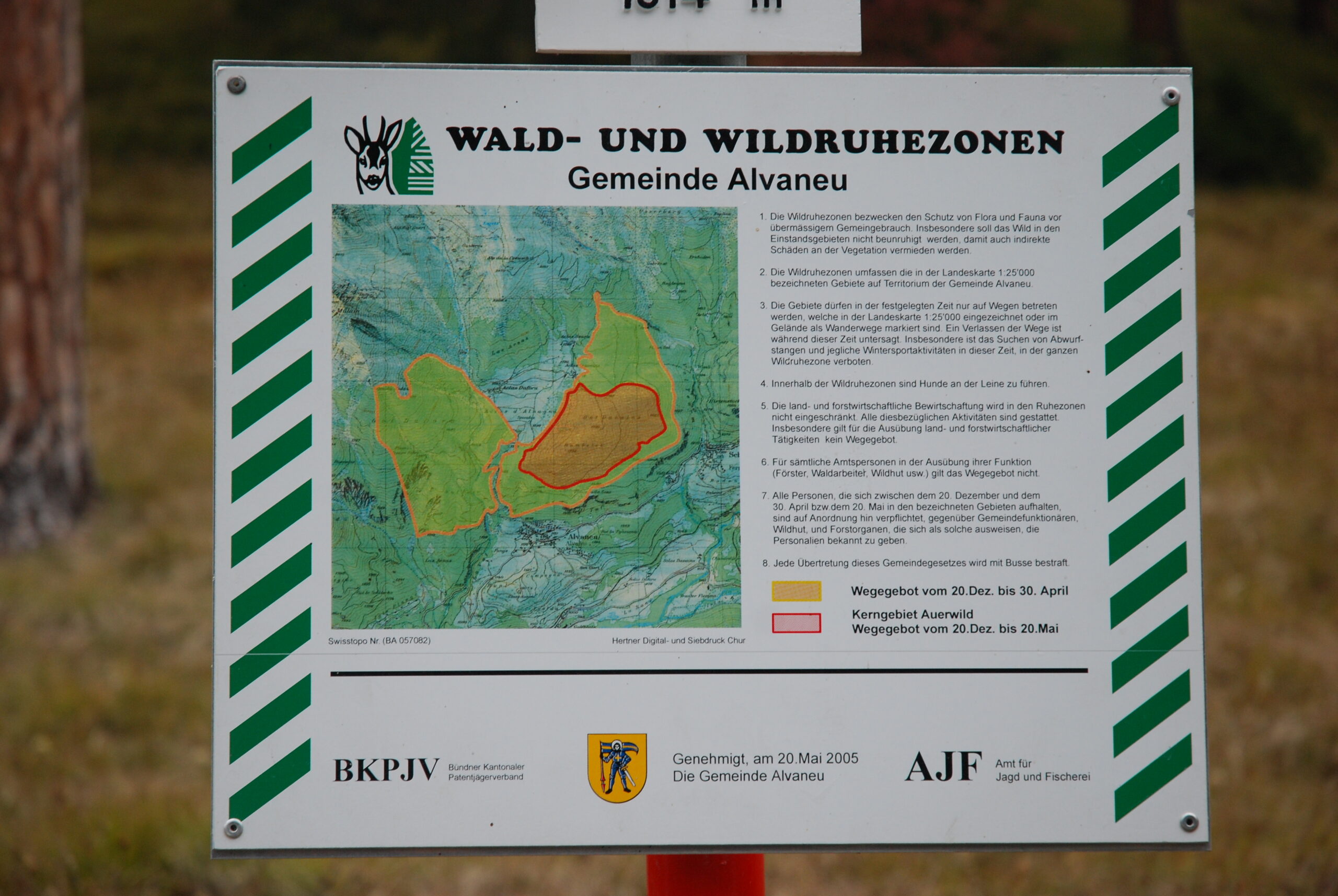
Prevent / minimize disturbances

Disturbance by humans, dogs or vehicles can have an adverse impact on habitats and lead to breeding losses, for example.
Show more
Hunting and fishing
Municipalities
Parcs
Tourism and sport
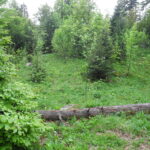
Increase shrub coverage

Conserving a minimum proportion of conifers in the tree layer provides the visual protection that the Hazel Grouse needs, especially in winter.
Show more
Cantons
Forestry
Municipalities
Conservation projects Swiss Ornithological Institute
Forest Habitat
Species promotion – Hazel Grouse
vogelwarte.ch
©
© Ralph Martin
Birds of Switzerland

Hazel Grouse

One of the most favourite behaviour patterns of the Hazel Grouse is its skilful game of hide-and-seek. Due to its wonderful plumage pattern, it is excellently camouflaged in the varied light of the forest floor. Encounters with it are usually equally surprising for the observer as for the bird, so that often nothing but whirring flight sounds and its dark terminal tail band remain as...
To the species profile in the bird database

Synergies with other priority species