Bachmann, S., B. Haller, R. Lötscher, U. Rehsteiner, R. Spaar & C. Vogel (2008a): Guide de promotion de l’hirondelle de rivage en Suisse. Conseils pratiques pour la gestion des colonies dans les carrrières et la construction de parois de nidification. Fondation Paysage et Gravier, Uttigen, Association Suisse de l’industrie des Graviers et du Béton, Bern, Association Suisse pour la Protection des Oiseaux ASPO/BirdLife Suisse, Cudrefin, et Station ornithologique suisse, Sempach.
Bachmann, S., B. Haller, R. Lötscher, U. Rehsteiner, R. Spaar & C. Vogel (2008b): Leitfaden zur Förderung der Uferschwalbe in der Schweiz. Praktische Tipps zum Umgang mit Kolonien in Abbaustellen und zum Bau von Brutwänden. Stiftung Landschaft und Kies, Uttigen, Fachverband der Schweizerischen Kies- und Betonindustrie, Bern, Schweizer Vogelschutz SVS/BirdLife Schweiz, Zürich, und Schweizerische Vogelwarte, Sempach.
Rnjakovic, A. (2014): Favoriser la reproduction du Petit Gravelot dans les gravières et les carrières. Document à l’attention de l’industrie suisse du gravier et du béton. ASPO/BirdLife Suisse, Cudrefin, Nos Oiseaux, Montmollin, Station ornithologique suisse, Sempach, et Association suisse de l’industrie des graviers et du béton, Berne.
Schmid, H., M. Leuenberger, L. Schifferli & S. Birrer (1992a): Limikolenrastplätze in der Schweiz. Schweizerische Vogelwarte, Sempach.
Schmid, H., M. Leuenberger, L. Schifferli & S. Birrer (1992b): Stationnement des limicoles faisant escale en Suisse. Station ornithologique suisse, Sempach.
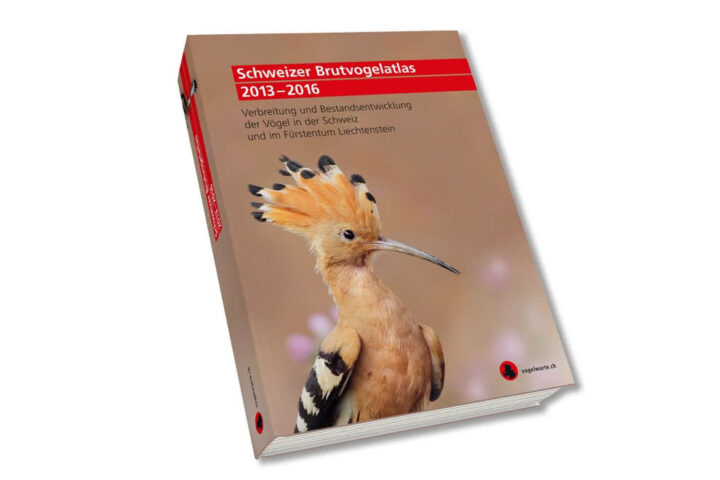
Schmid, H., R. Luder, B. Naef-Daenzer, R. Graf & N. Zbinden (1998): Schweizer Brutvogelatlas. Verbreitung der Brutvögel in der Schweiz und im Fürstentum Liechtenstein 1993–1996/Atlas des oiseaux nicheurs de Suisse. Distribution des oiseaux nicheurs en Suisse et au Liechtenstein en 1993–1996. Schweizerische Vogelwarte/Station ornithologique suisse, Sempach.
Schmit, F. (2016): Ersatz für den Ersatz: Künstliche Sandschüttungen für die Uferschwalbe. Ornis 2016/6: 12–15.
Sticher, H. (1984a): Exploitation de gravier et agriculture à l’exemple du canton d’Argovie. Société suisse de pédologie, Document 1. Juris Verlag, Zurich.
Sticher, H. (1984b): Kiesabbau und Landwirtschaft am Beispiel des Kantons Aargau. Bodenkundliche Gesellschaft der Schweiz, Dokument 1. Juris Verlag, Zürich.