

Given the current rapid decline of long-distance migratory birds, it is crucial to understand the chal-lenges these species face throughout their annual cycle. During stop-over and wintering, migratory birds may select for specific food types due to the nutritional requirements of their migratory life-style. Here, we will study food resource use of migratory birds in their non-breeding range using diet metabarcoding, a method that identifies DNA fragments of food items from faecal samples. We will determine key foods eaten by migratory birds and assess vulnerability to environmental change.

©
© Crinan Jarrett
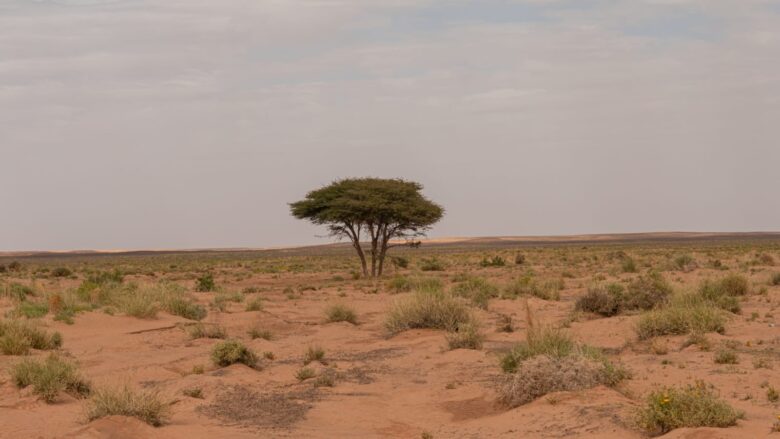
Stop-over site at the edge of Sahara desert in Morocco.

©
©
Gabriel Marcacci
Common redstart (Phoenicurus phoenicurus) in Burkina Faso

©
©
Barnabas Sani
Mist-netting site in over-wintering area on Jos Plateau (Nigeria)

©
©
Marc Illa
Bird ringing activities in ringing site in Morocco

©
©
Crinan Jarrett
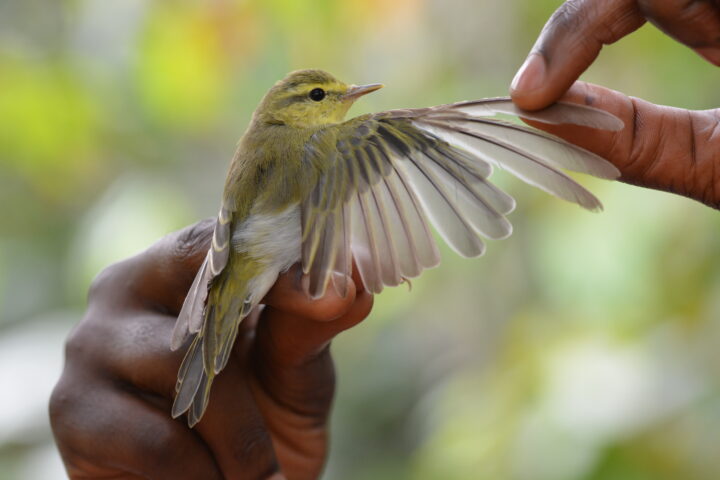
Western yellow wagtail (Motacilla flava) during spring migration stop-over

©
©
Crinan Jarrett
Wintering habitats in gallery forest in West Africa

©
©
Crinan Jarrett
Malaise trap used to survey flying insects, set up at stop-over site in Morocco.


©
© Crinan Jarrett

©
©
Gabriel Marcacci

©
©
Barnabas Sani

©
©
Marc Illa

©
©
Crinan Jarrett

©
©
Crinan Jarrett

©
©
Crinan Jarrett
Stop-over site at the edge of Sahara desert in Morocco.
Common redstart (Phoenicurus phoenicurus) in Burkina Faso
Mist-netting site in over-wintering area on Jos Plateau (Nigeria)
Bird ringing activities in ringing site in Morocco
Western yellow wagtail (Motacilla flava) during spring migration stop-over
Wintering habitats in gallery forest in West Africa
Malaise trap used to survey flying insects, set up at stop-over site in Morocco.
Diets on the Flyway
Understanding food selection of migratory birds during stop-over and wintering
Domain
Research
Unit
Bird Migration
Topics
Ecology, Migratory Birds
Habitat
alpine habitats, farmland, forest, meadows and pastures, rivers & streams, rocky terrain, semi-open farmland, settlements, wasteland, wetlands
Project start
2025
Project completion
2027
Project status
ongoing
Project management
Barbara Helm
Project region
Africa
Details
Project objectives
The overarching aim of this project is to determine the arthropod and plant species consumed by migratory species in their non-breeding grounds.
Our project has the following objectives:
- Quantify diet composition and food selection of migratory songbird species in their non-breeding grounds, across space and time.
- Assess potential nutritional bottlenecks of migratory birds, where they may be most vulnerable to changes in food availability.
- Compare the diets of migrant and co-habiting resident species to understand specific requirements of the migratory lifestyle.
Methodology
This project involves a network of 8 sites across the non-breeding grounds of migratory birds, at which mist-netting surveys are being conducted. Collaborators at these sites collect faecal samples which we then analyse at the Swiss Ornithological Institute using diet metabarcoding. This method extracts and identifies DNA from food items (insects, plants) found in faecal samples. At each field site, surveys are conducted to quantify food availability. Our study focusses on five species groups: warblers, nightingales, chats, shrikes and flycatchers, each of which encompasses several species.
Significance
Given the continuous land-use intensification and rapid climatic changes occurring in Africa, it is important to understand the potential consequences for birds to put in place effective conservation plans. Diets on the flyway will generate novel data on the ecology of migratory birds, allowing us to answer questions regarding the dietary signature of the migratory lifestyle, and to estimate the vulnerability of migratory species across space and time. These findings will stimulate follow-up studies that identify management and restoration measures that will contribute to species conservation.
Results
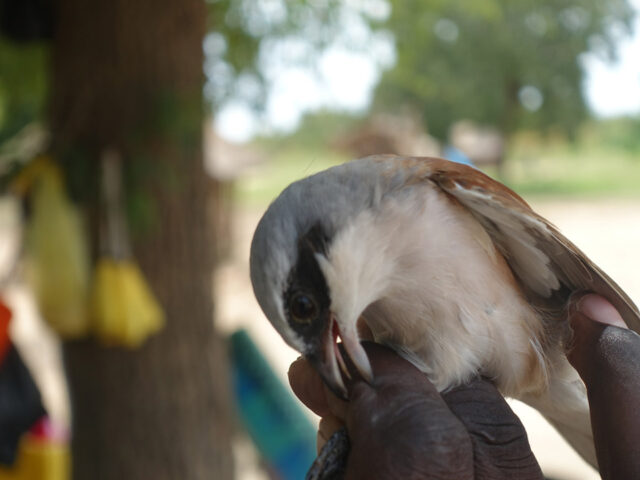
Preliminary results thus far have demonstrated that the metabarcoding methods are suitable to study migrant diets. We found evidence of diet similarities within bird species groups (e.g., wheatears, warblers), and also some site-specific trends such as lower diet diversity in a desert stop-over site when compared to a savanna habitat. Preliminary data also provided an insight into a curious behaviour: Woodchat shrikes eat engorged camel ticks during spring migration stop-over in Morocco.
Project partner(s)
- Ivan Maggini, Marc Illa & Yasmina team (Mo-rocco)
- Oliver Fox & Kartong Bird Observatory (The Gambia)
- Chima Nwaogu, Will Cresswell & A. P. Leventis Ornithological Institute (Nigeria)
- Clément Daboné (Burkina Faso)
- John Musina (National Museums of Kenya, Kenya)
- Simon Gift (South Sudan)
- Mathieu Mahamoud-Issa (Djibouti)
- Yosef Kiat & lab (Israel)
Financial support
- SNSF COST Action grant
- EUFLYNET COST Action
Employees



Employee International Bird Conservation
Gabriel Marcacci
+41 41 462 97 00
gabriel.marcacci@vogelwarte.ch

Species concerned


Unit
Bird Migration
We research migratory birds from their breeding grounds to Africa and lay the foundations for their protection beyond national borders.