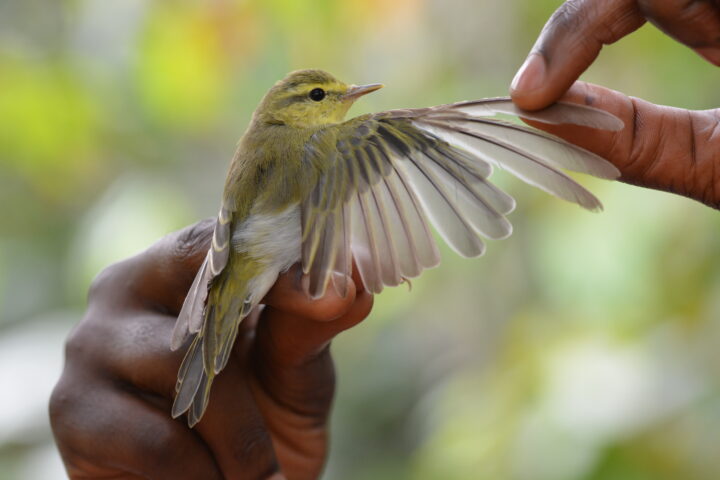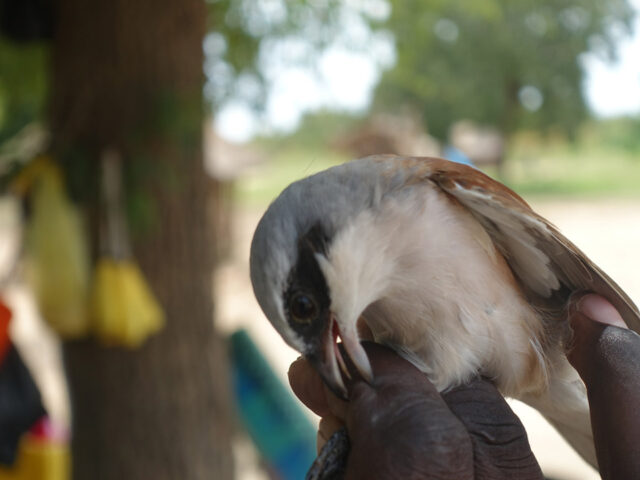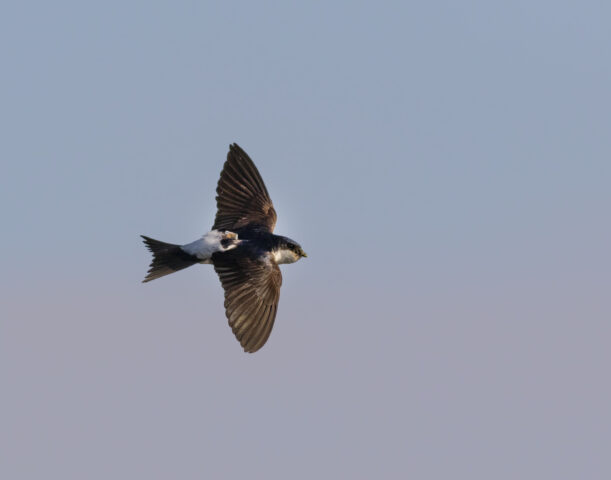




Migration is not spread evenly across a continent. Along the Afro-Palearctic flyway a few landscapes carry a disproportionate share of the birds moving between Europe and Africa: the shores of the Red Sea, the floodplains and woodlands of the Sahel-Sudan belt, and the savannahs beyond. At these hotspots birds prepare for long barrier crossings and replenish their reserves afterwards. We com-bine fieldwork in Djibouti, South Sudan, Ethiopia, Kenya and Morocco with local outreach to find out what migrants need at these sites – and to protect them together with the people who live there.
©
© Elizabeth Yohannes
©
©
Elizabeth Yohannes


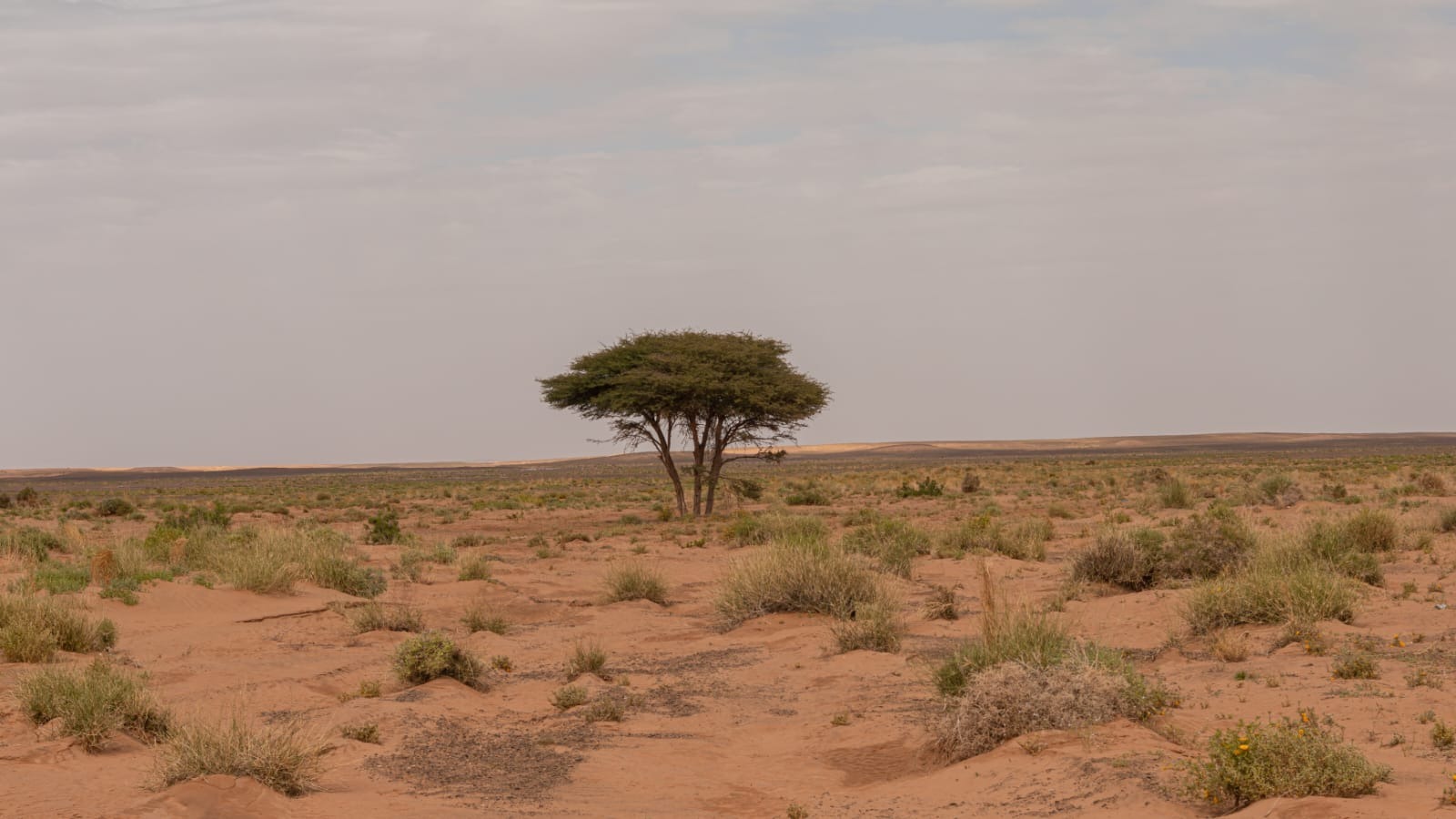
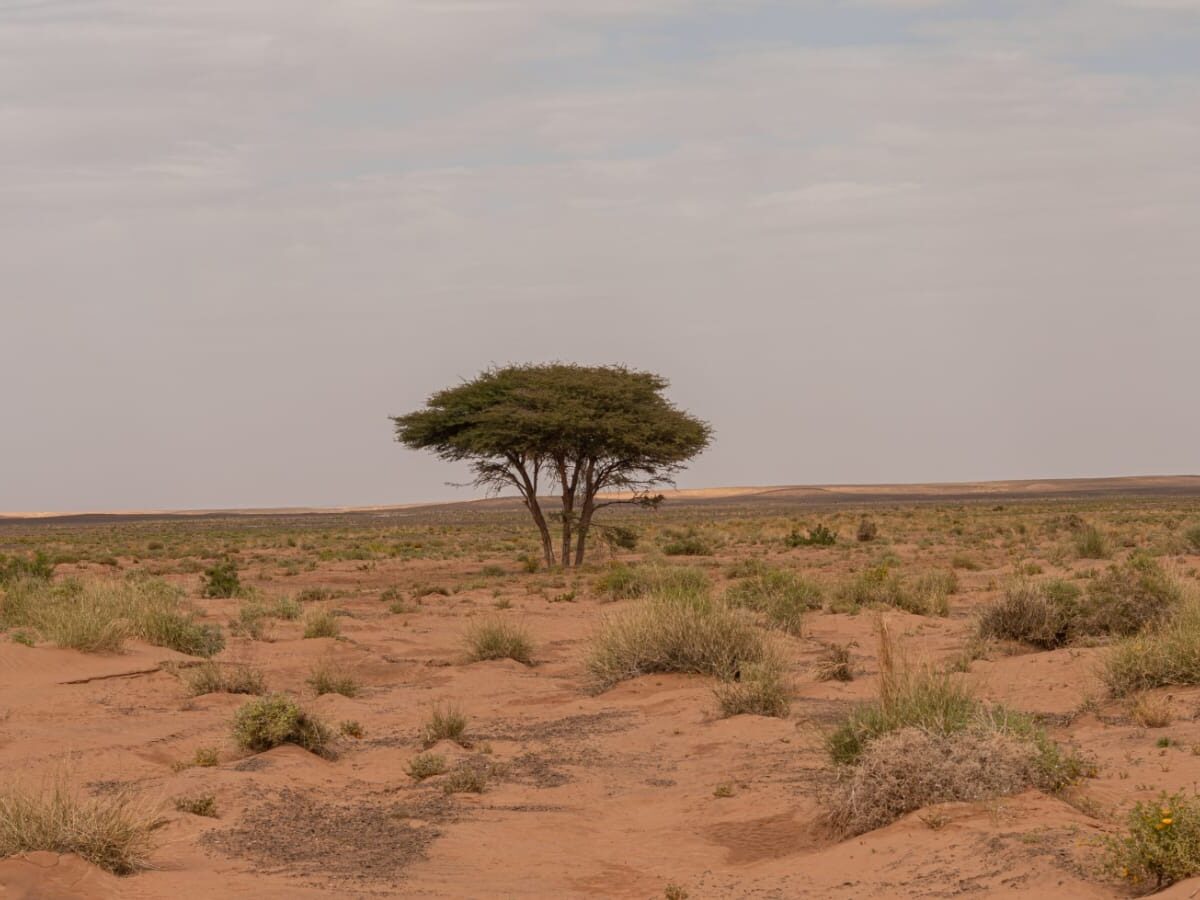
A lone acacia shade tree at stop over site
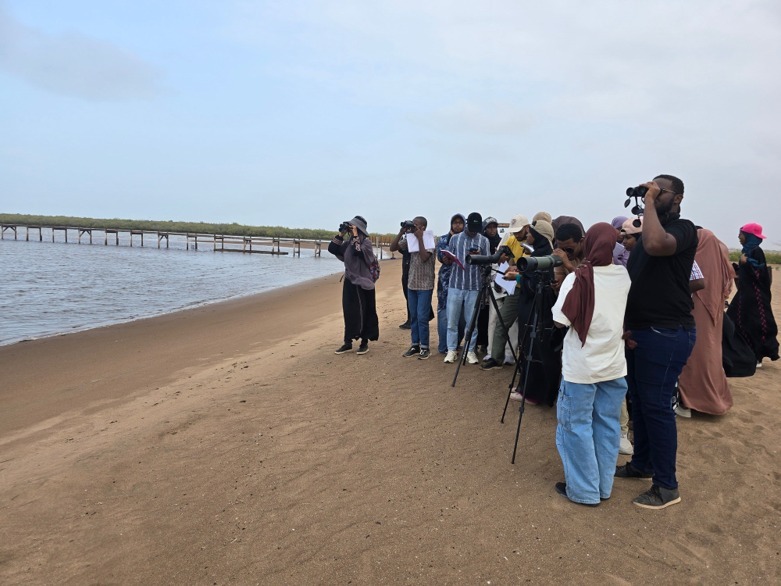
Local outreach: birdwatching with civil society at a coastal hotspot
Black-winged Stilt at a wetland used by migrating birds
Dune field at dusk – a barrier that migrants must cross



Identification and Protection of Migratory Hotspots
Key stopover sites along the Afro-Palearctic flyway
Domain
Research
Unit
Bird Migration
Topics
Distribution Ecology, Ecology, Habitat Promotion, Migratory Birds
Habitat
alpine habitats, farmland, forest, meadows and pastures, rivers & streams, rocky terrain, semi-open farmland, settlements, wasteland, wetlands
Project start
2022
Project completion
2030
Project status
ongoing
Project management
Elizabeth Yohannes
Project region
Africa
Details
Project objectives
For many long-distance migrants, the months spent in Africa outnumber those spent breeding in Europe. The project works out the hotspots where migrants spent time along the Afro-Eurasian flyways. We also study the ecological conditions birds find when they arrive there, and what changes in land use or rainfall mean for their condition and onward migration. Just as important is the involvement of local observers and institutions in the collecting and disseminating of findings. Ultimately, our results need to reach flyway-wide conservation processes, and thereby inform conservation action.

Methodology
Candidate sites are delineated from multi-sensor logger tracks, systematic counts and citizen-science records, then surveyed on the ground with partner institutions. Captured birds are sampled non-destructively: feather keratin provide measures of origin, plasma metabolites provide indicators of fuelling: and metabarcoding of faecal DNA resolves diet composition. Radar, still sparsely deployed over Africa, is being tested in Morocco for its added value of quantifying passage volume.
Significance
Conservation and research of Afro-Eurasian migrants remain concentrated on the breeding grounds, where birds are easiest to monitor. Yet an individual that leaves a staging site in poor condition carries that deficit into subsequent stages of its annual cycle, regardless of conditions at its destination. The sites where fuelling succeeds or fails are often unprotected, poorly surveyed and absent from conservation inventories. Identifying them, documenting their value and making that research-based evidence available to decision-makers is the project’s central contribution.
Results
A first set of key sites has been identified: sites in desert and coastal landscapes where migrants converge before departing for the breeding grounds or for further staging areas. Surveys at sites in Morocco, Djibouti, Kenya, South Sudan and West Africa have yielded feather, breath, blood and faecal samples from these sites, together with logger records from individually tracked birds, which are currently being analysed. Field teams recruited and trained locally remain part of the work at every site.
Further information
The project complements other research at the Swiss Ornithological Institute, including our project on stopover ecology of migrating birds in Africa, Diet on Flyways, Chocolate with Wings, individual tracking studies and radar monitoring. It collaborates closely with the International Bird Conservation framework programme, and its findings contribute to the African-Eurasian Migratory Landbirds Action Plan (AEMLAP).
Project partner(s)
Financial support
- A.G. Leventis Foundation
- Anonymous Foundation
Employees



Unit
Bird Migration
We research migratory birds from their breeding grounds to Africa and lay the foundations for their protection beyond national borders.