


Previously overgrown with lush vegetation, the Fanel Islands were struggling to fulfil their role as a resting and feeding ground for migratory waterbirds, particularly waders. To remedy this, a major reshaping and lowering of the two islands was undertaken so that they would become a single large area of mineral substrates, the maintenance of which will be largely sustained by the natural dynamics of Lake Neuchâtel. The project thus contributes to the diversification of habitats in one of Switzerland’s most iconic waterbird reserves.
©
© Christophe Sahli
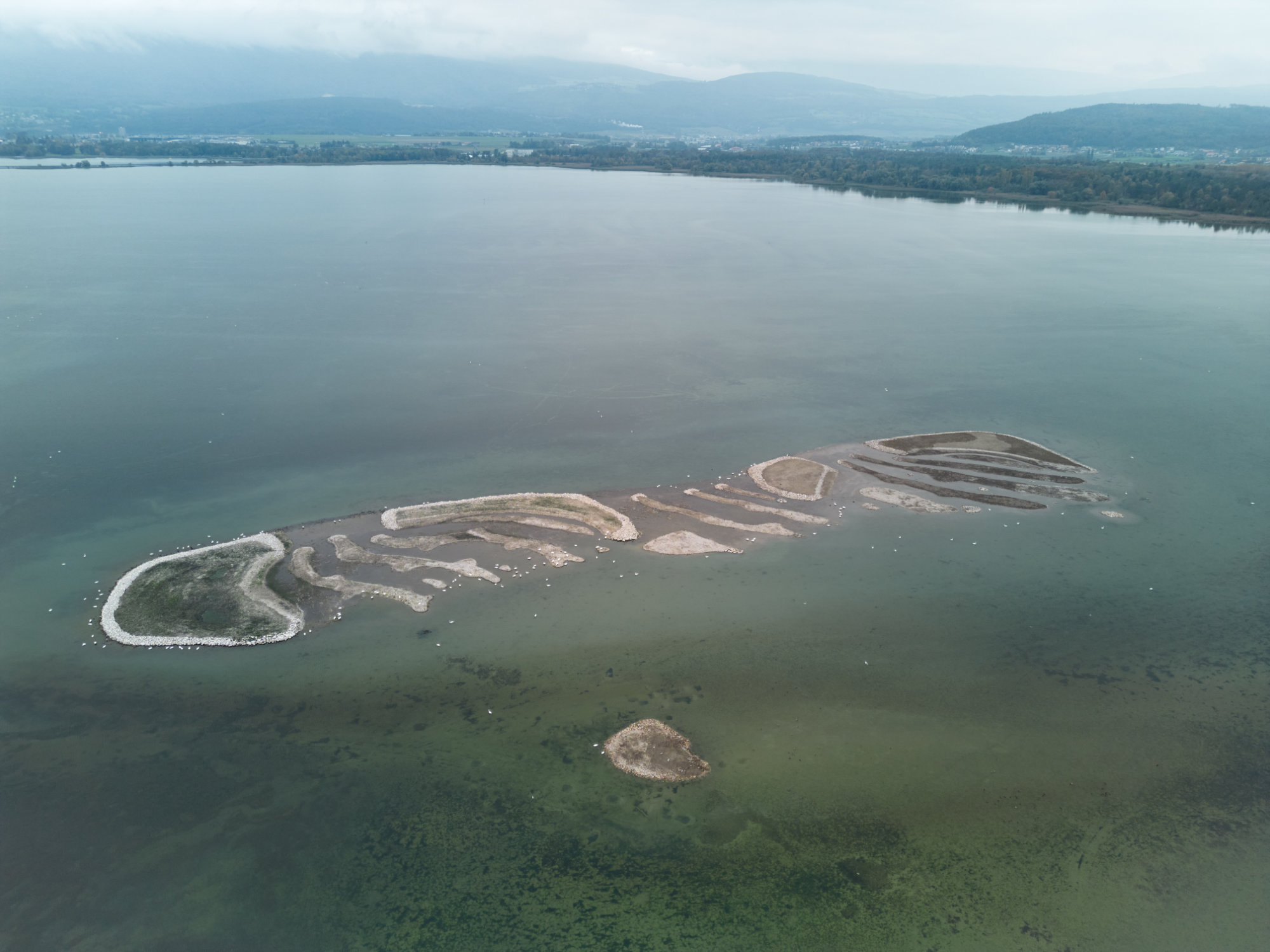
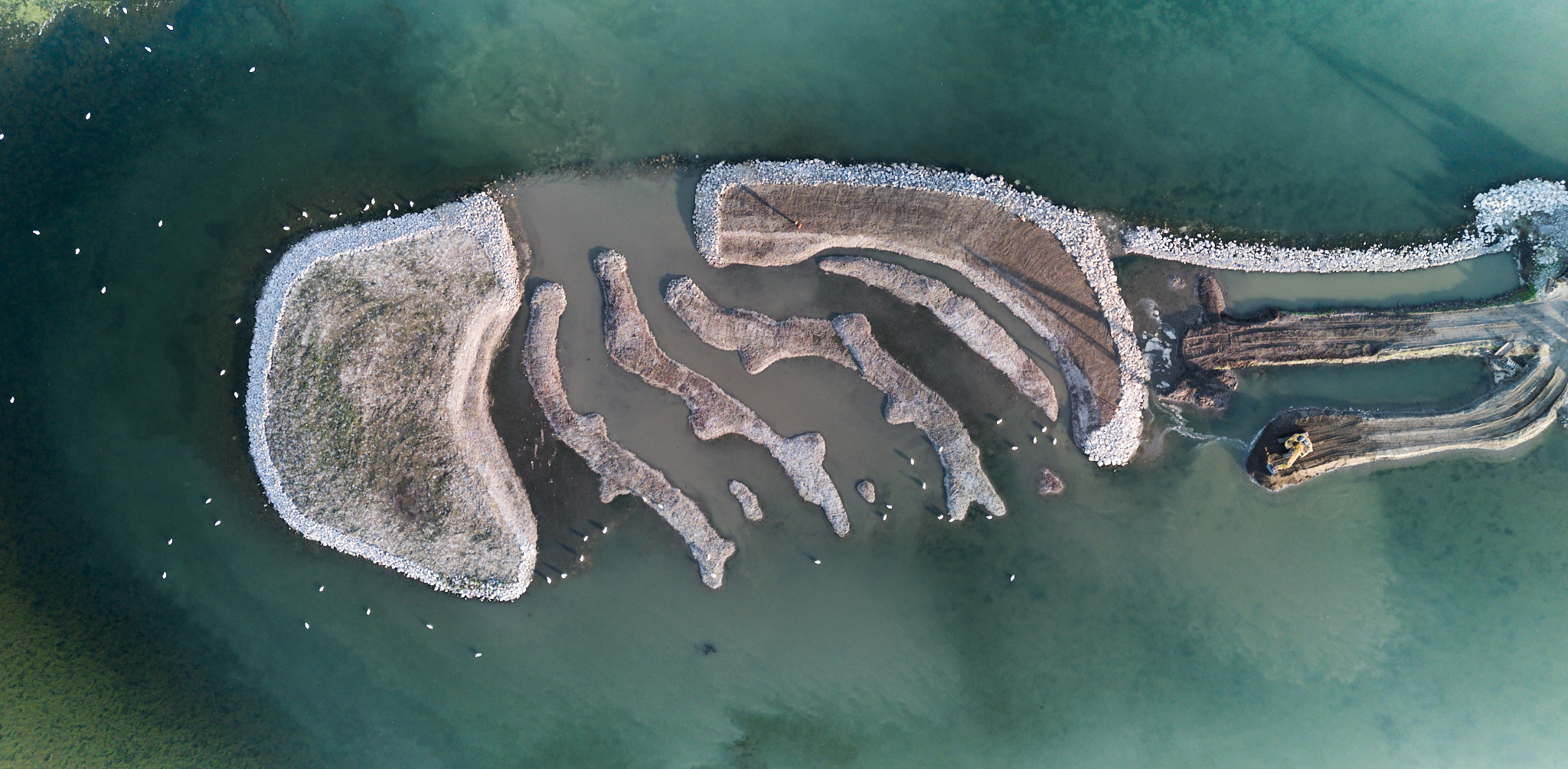
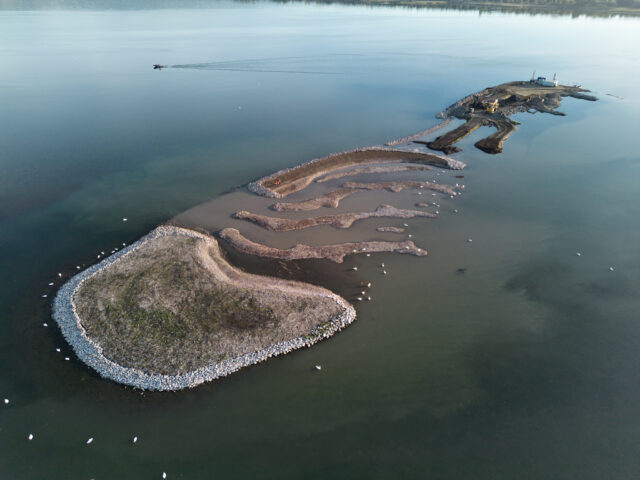
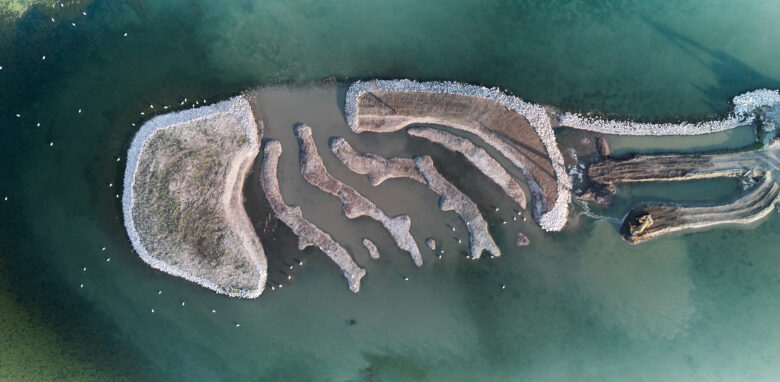
A bird’s eye view of the Fanel Islands following the reshaping in October 2025.
©
©
Christophe Sahli
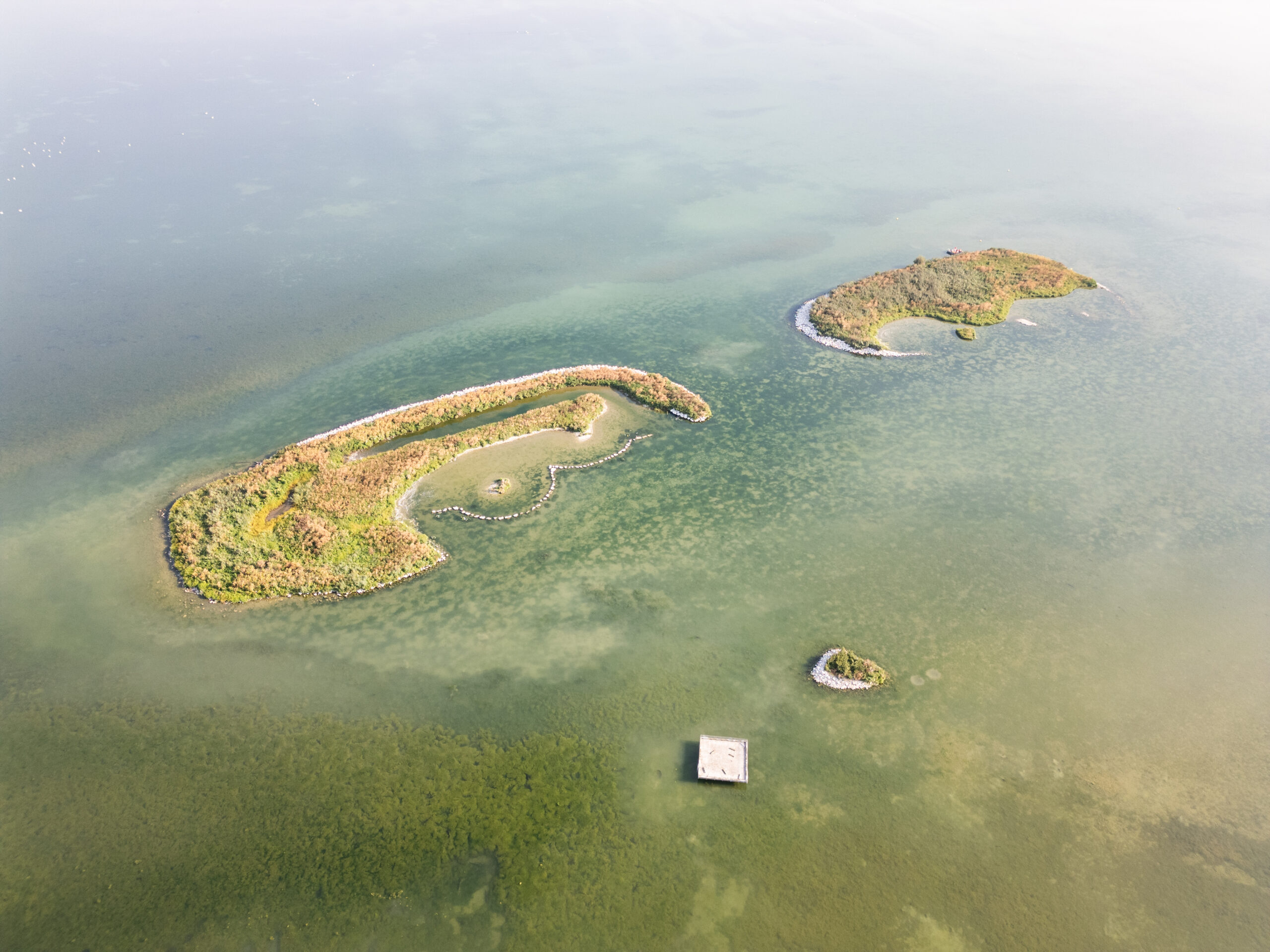
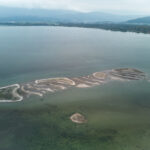
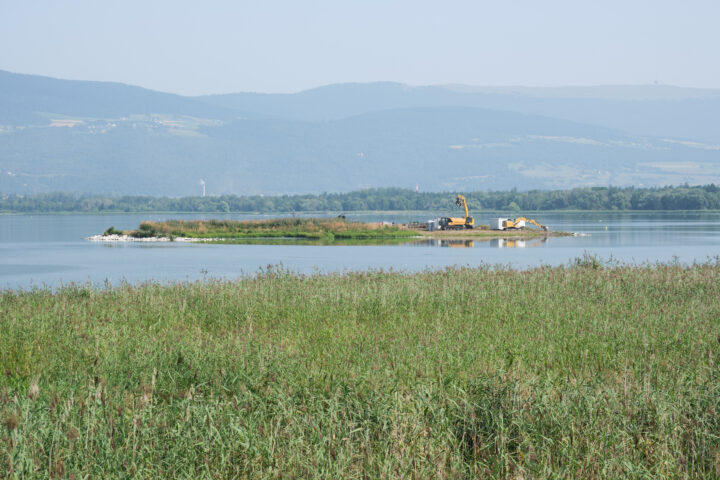
An aerial view of the Fanel Islands prior to the maintenance work in August 2025.
©
©
Christophe Sahli
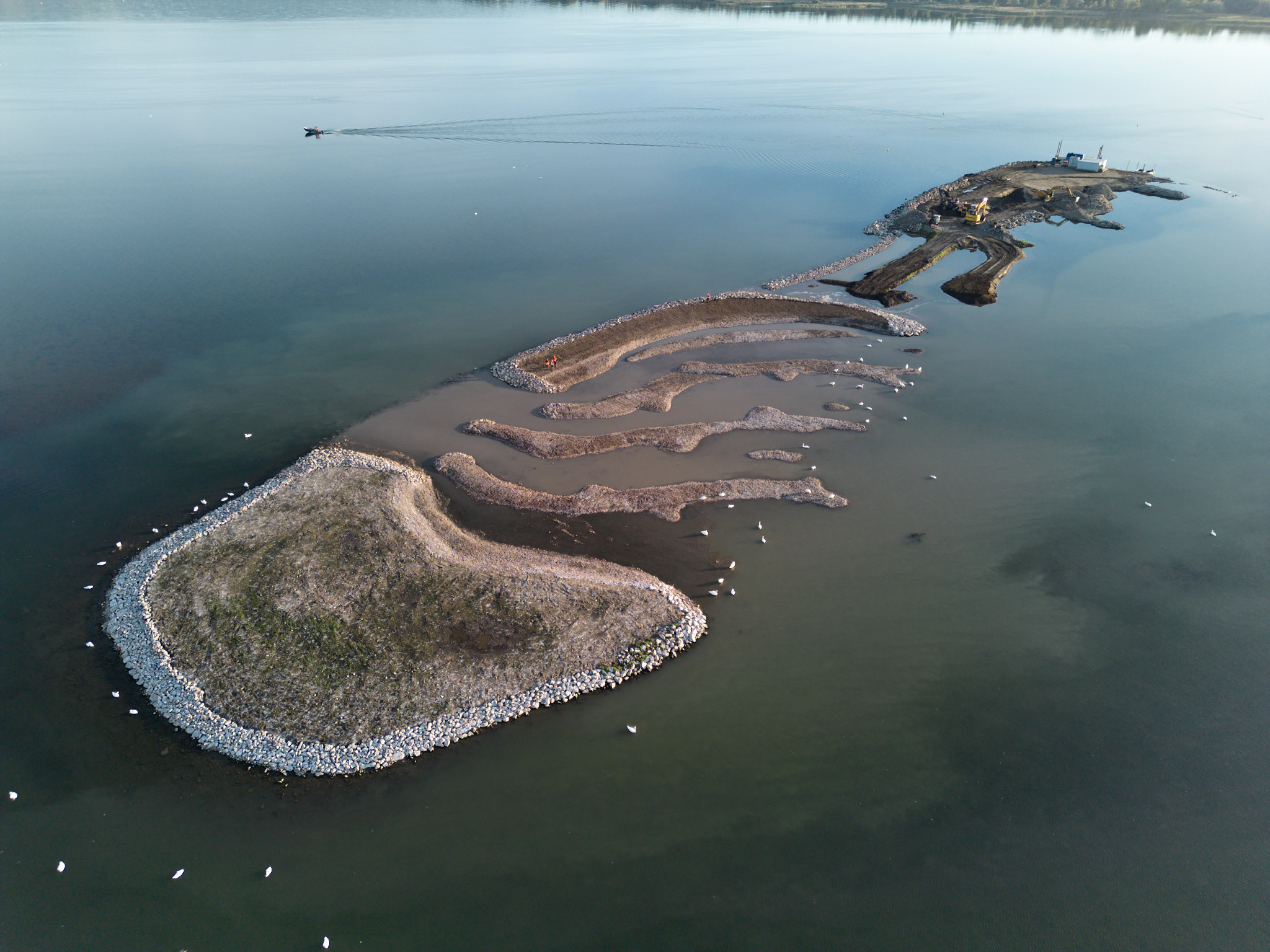
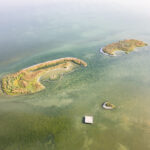
An aerial view of the Fanel Islands during the reshaping works in Septembre 2025.
©
©
Christophe Sahli
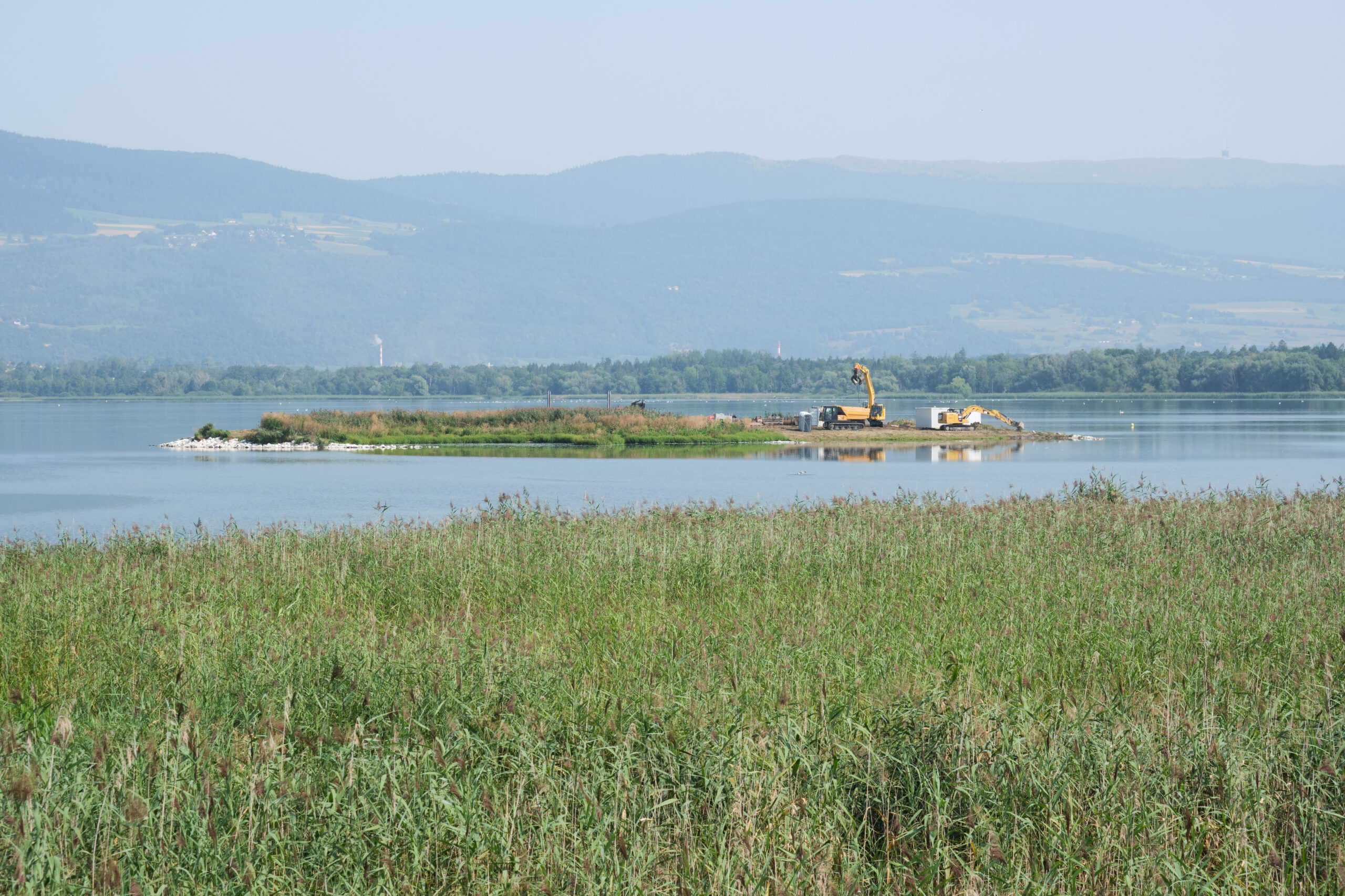
Excavators begin their work on the former Bernese islet to clear the vegetation, expose the bedrock and lower the island’s level, August 2025
©
©
Christophe Sahli
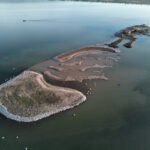
Aerial view of the former Neuchâtel islet during the works; the reshaping of its contours allows the lake to flow through the area once again, and the connection with the Bernese islet is established, September 2025
©
© Christophe Sahli
©
©
Christophe Sahli
©
©
Christophe Sahli
©
©
Christophe Sahli
©
©
Christophe Sahli
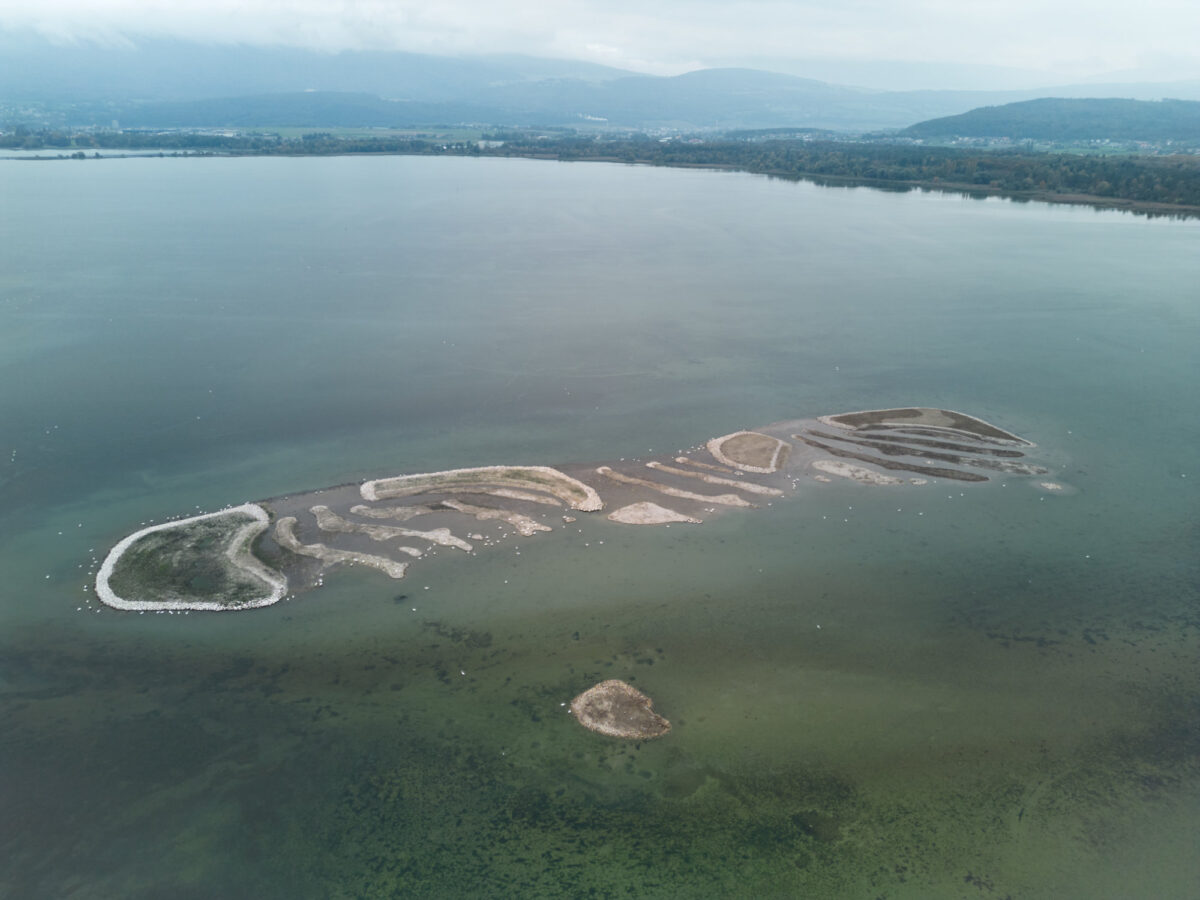
A bird’s eye view of the Fanel Islands following the reshaping in October 2025.
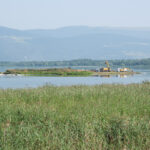
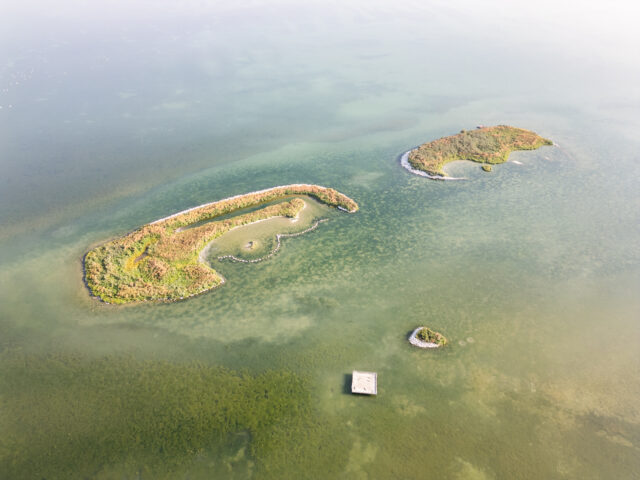
An aerial view of the Fanel Islands prior to the maintenance work in August 2025.
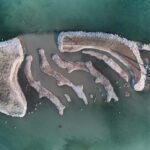
An aerial view of the Fanel Islands during the reshaping works in Septembre 2025.
Excavators begin their work on the former Bernese islet to clear the vegetation, expose the bedrock and lower the island’s level, August 2025
Aerial view of the former Neuchâtel islet during the works; the reshaping of its contours allows the lake to flow through the area once again, and the connection with the Bernese islet is established, September 2025
Domain
Conservation
Unit
Upswing for Birds
Topics
Species Recovery, Habitat Promotion
Habitat
rivers & streams
Project start
2024
Project completion
2044
Project status
ongoing
Project management
Brieuc Dervaux
Project region
Switzerland, Liechtenstein
Details
Project objectives
The project has restored the famous Fanel Islands to their role as a resting and feeding stopover site for migratory birds, particularly waders. To achieve this objective, work was carried out to lower the level of the two existing islands and significantly reshape their contours to form a single large area at water level. The exposed areas are thus more subject to fluctuations in the water level of Lake Neuchâtel, which allows for a more natural lake ecosystem to develop, curbing the spread of vegetation and maintaining the site naturally.
Methodology
Having been built too high in their artificial creation, the Fanel Islands were overgrown with dense vegetation, mainly due to a lack of natural lake dynamics. As a result, they had lost their ornithological interest. In light of this, the Grande Cariçaie Association, the Cantons of Bern and Neuchâtel, the Swiss Confederation, ALA Schweiz, Nos Oiseaux, BirdLife and the Swiss Ornithological Institution joined forces to design, fund and carry out this large-scale project. The work took place between August and October 2025, and annual maintenance is planned to preserve the mineral substrate.
Significance
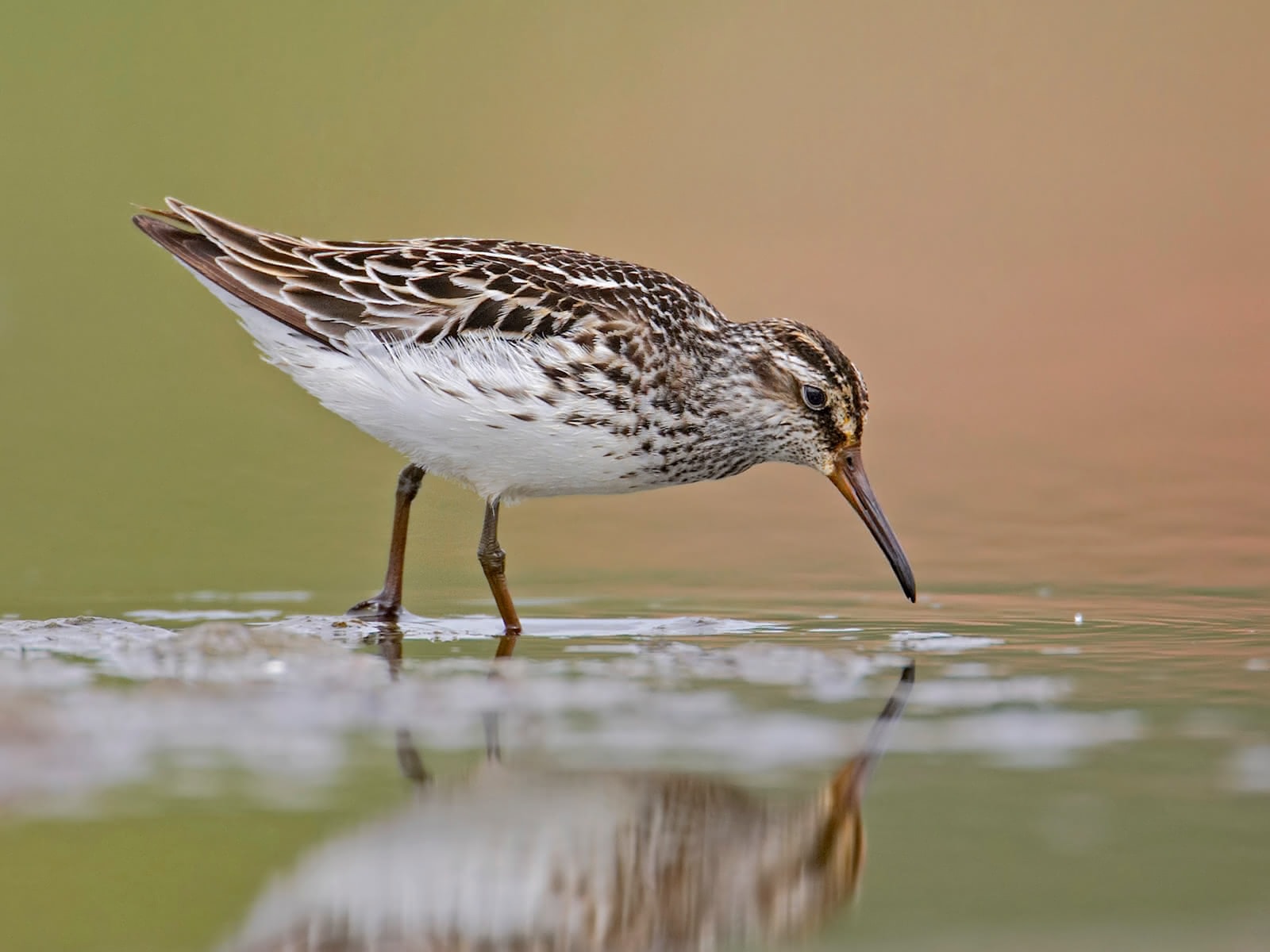
Le Fanel, Switzerland’s first Ramsar site and first OROEM reserve, is of exceptional importance for bird conservation in Switzerland. Thanks to the improvements undertaken, areas suitable for stopovers have been restored for waterbirds, particularly waders. As such areas are virtually non-existent along the shores of Lake Neuchâtel, it was crucial to recreate them. A project of this kind is therefore of great significance, as it once again provides a high quality stopover site for waders and other migratory birds seeking rest and food.
Results
The initial results following the works are encouraging. In autumn 2026, a wide variety of migratory birds, including numerous waders, were observed, demonstrating the site’s renewed appeal. These results are based on data from the ornitho.ch platform. We therefore invite all birdwatchers visiting the reserve to continue contributing to the project by reporting their sightings, so that we can assess the effectiveness of the site’s redevelopment.
Project partner(s)
Financial support
Employees



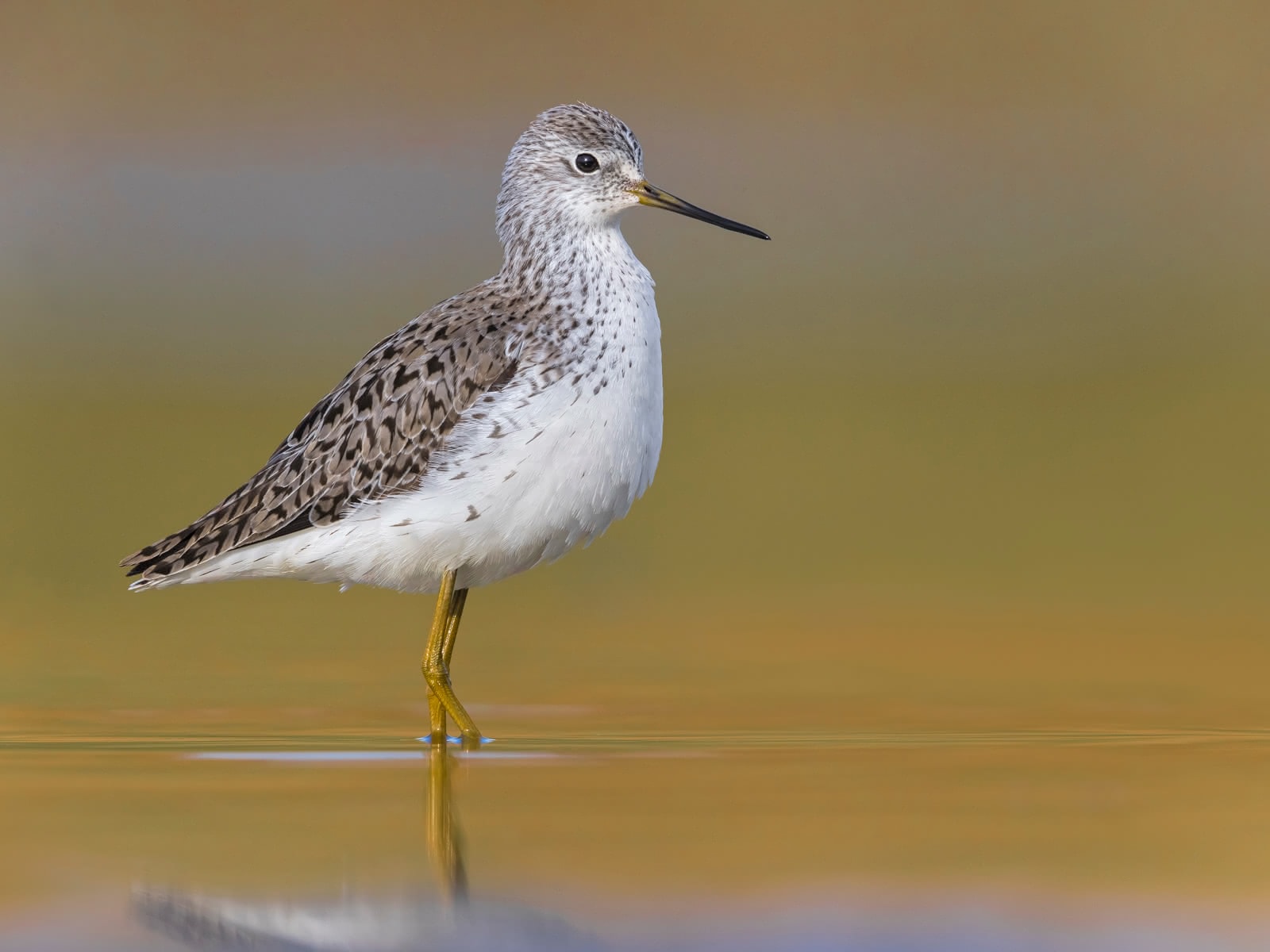
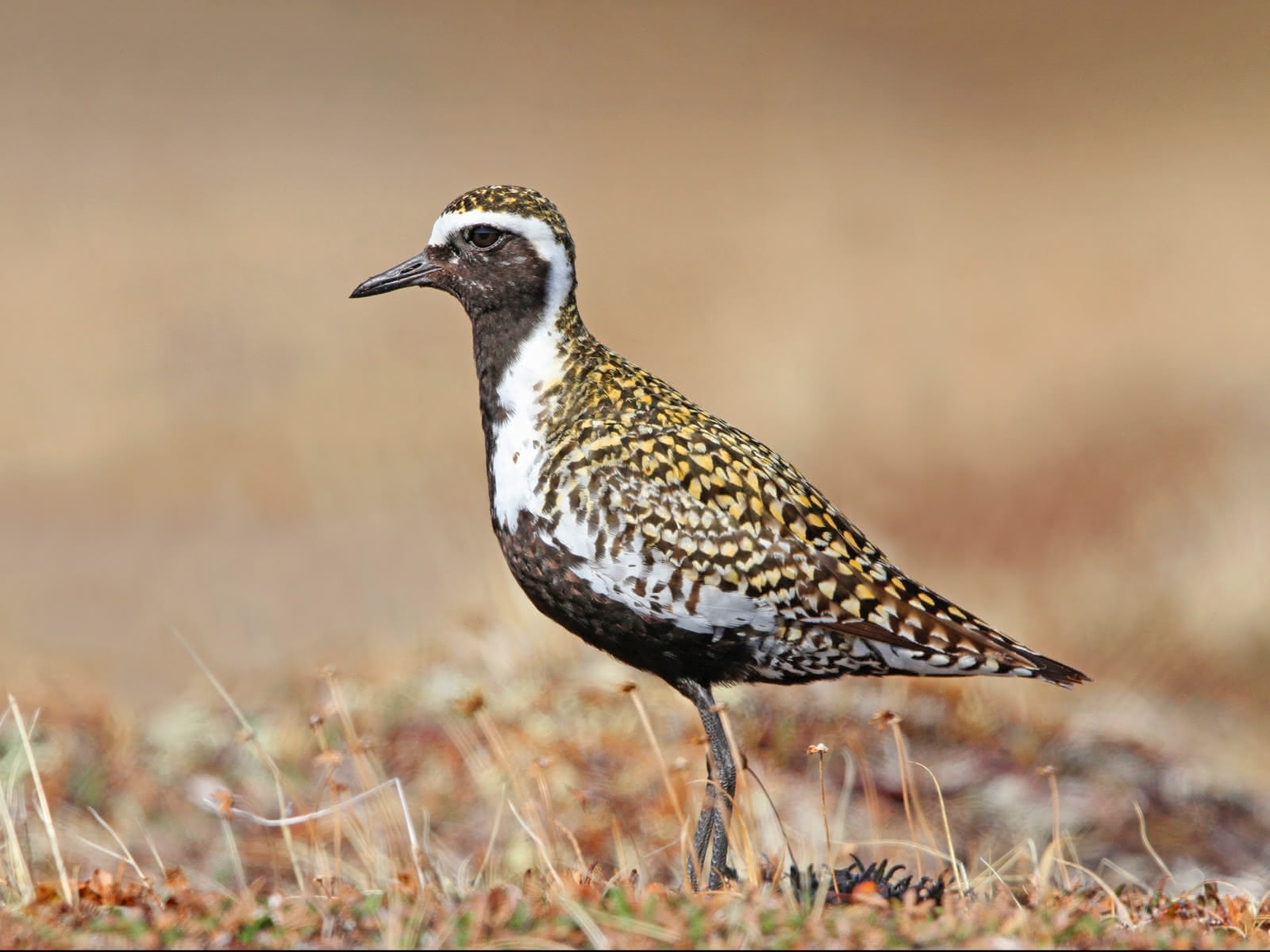
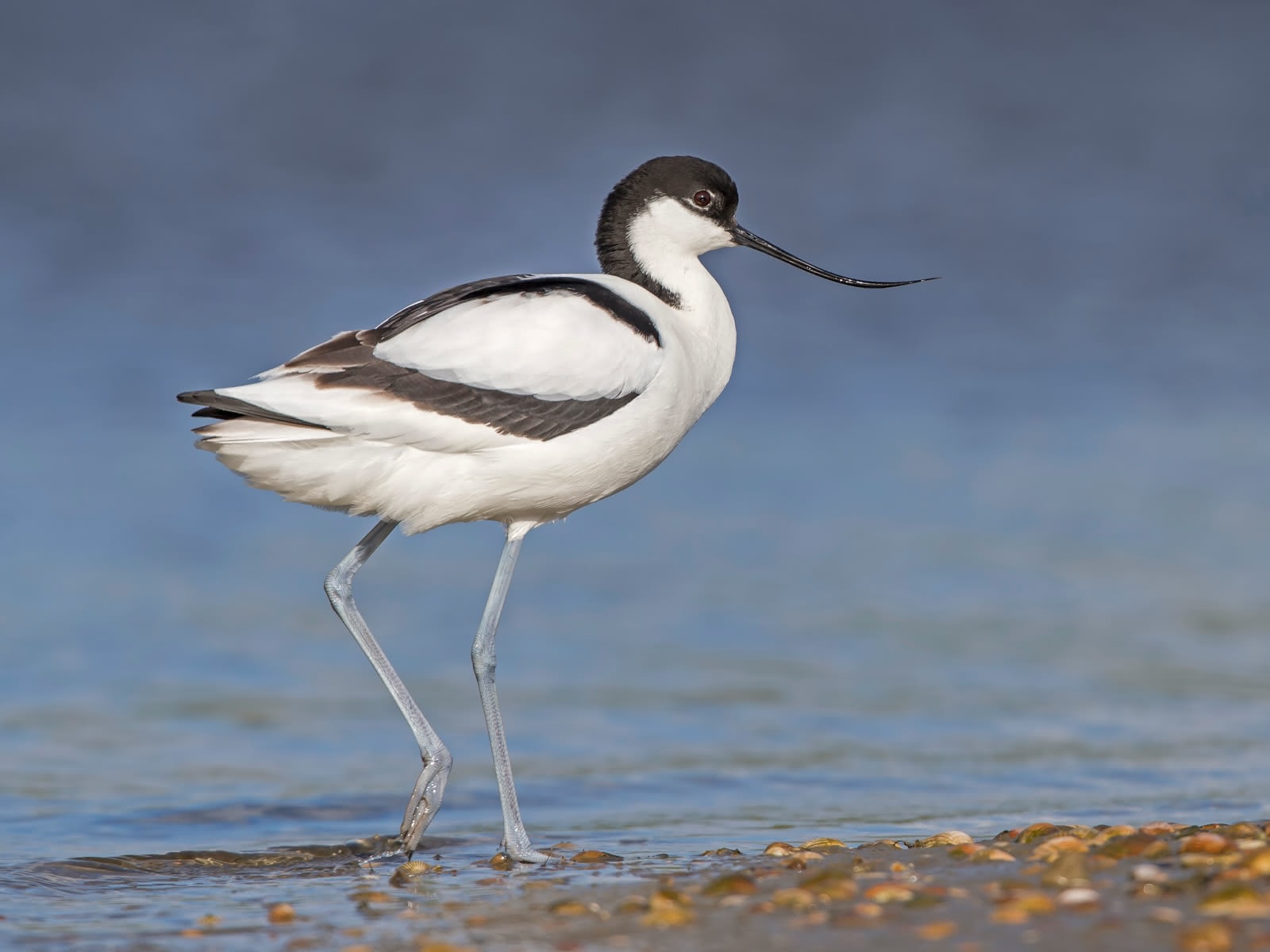
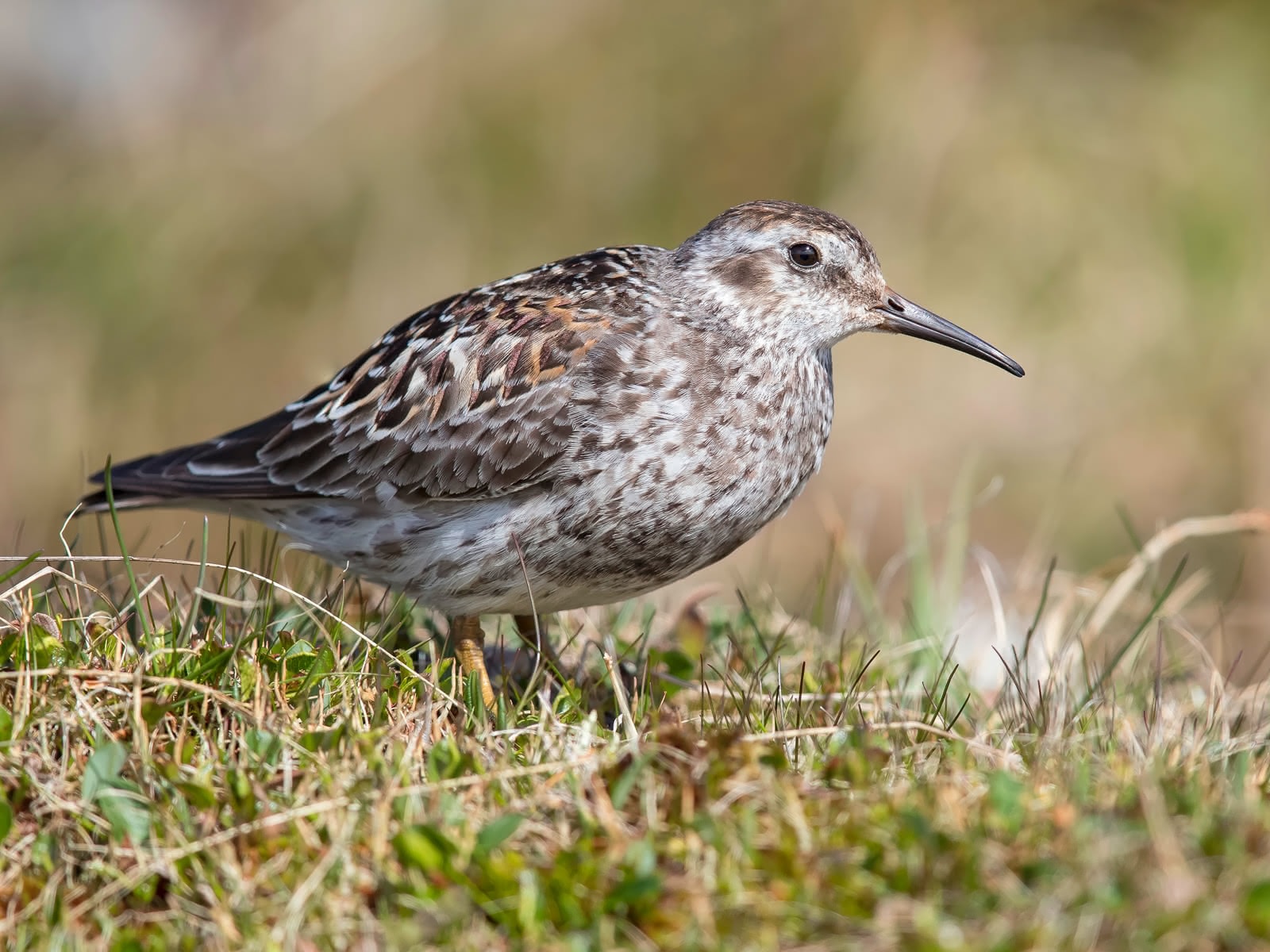
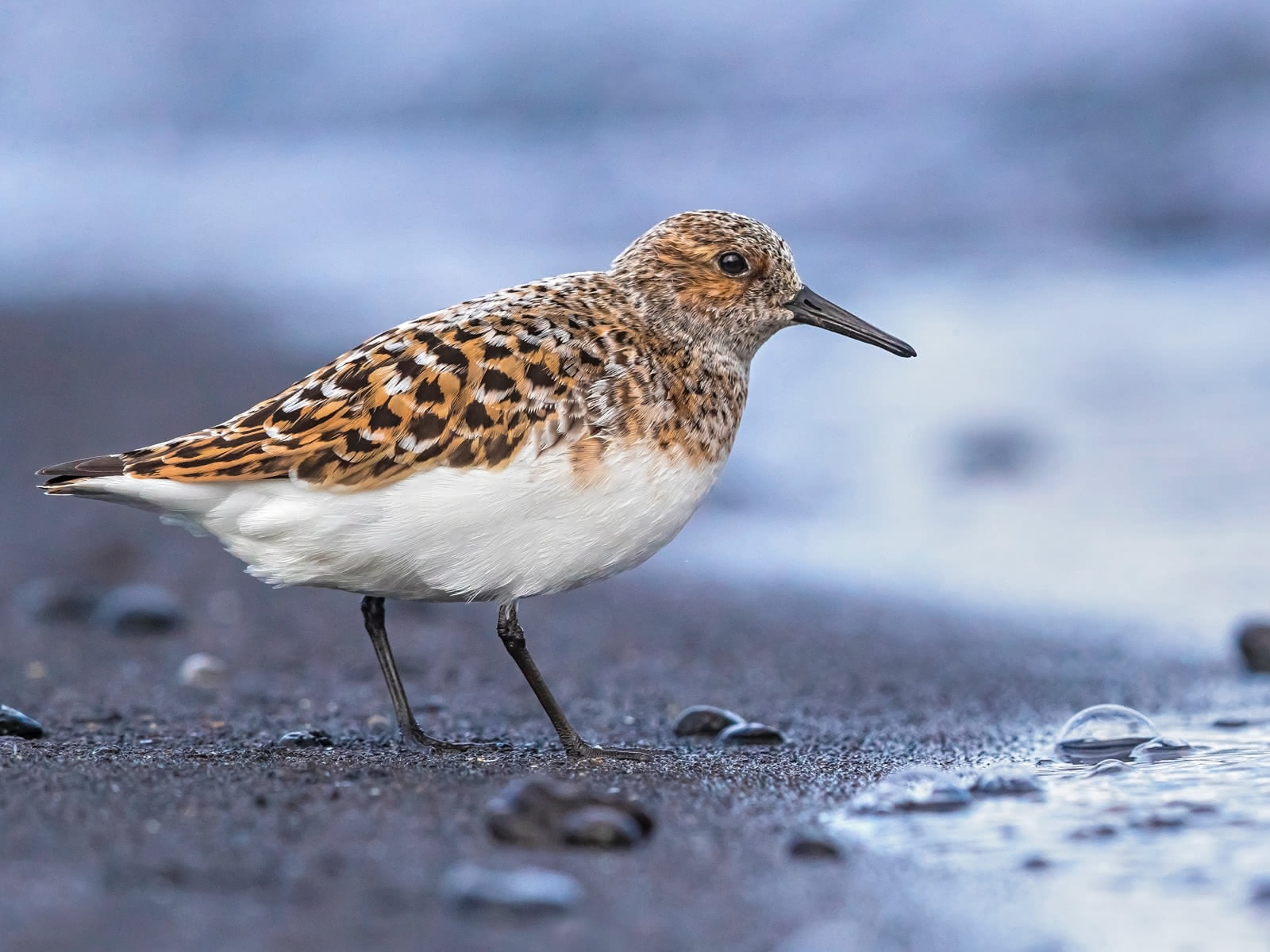
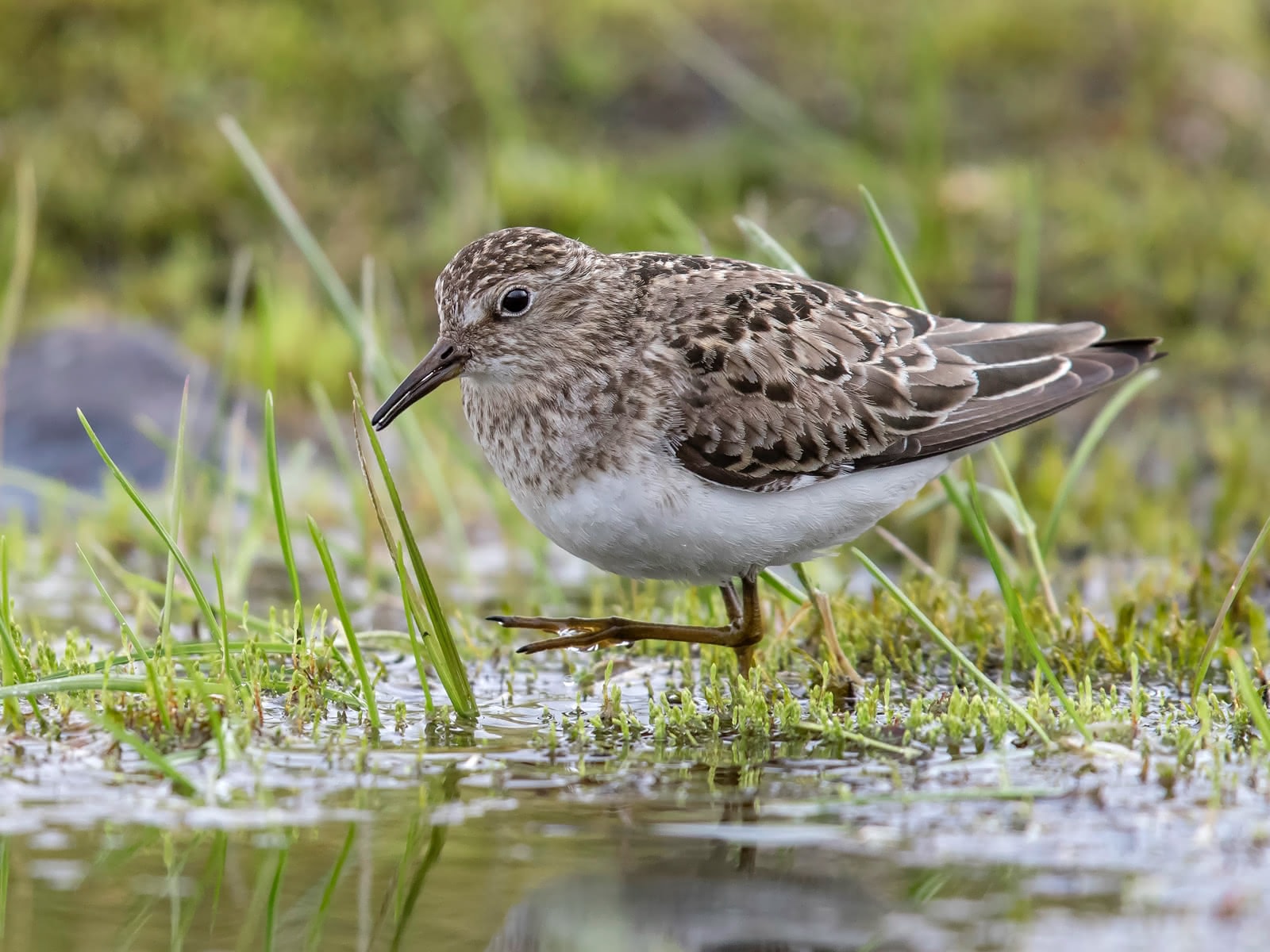
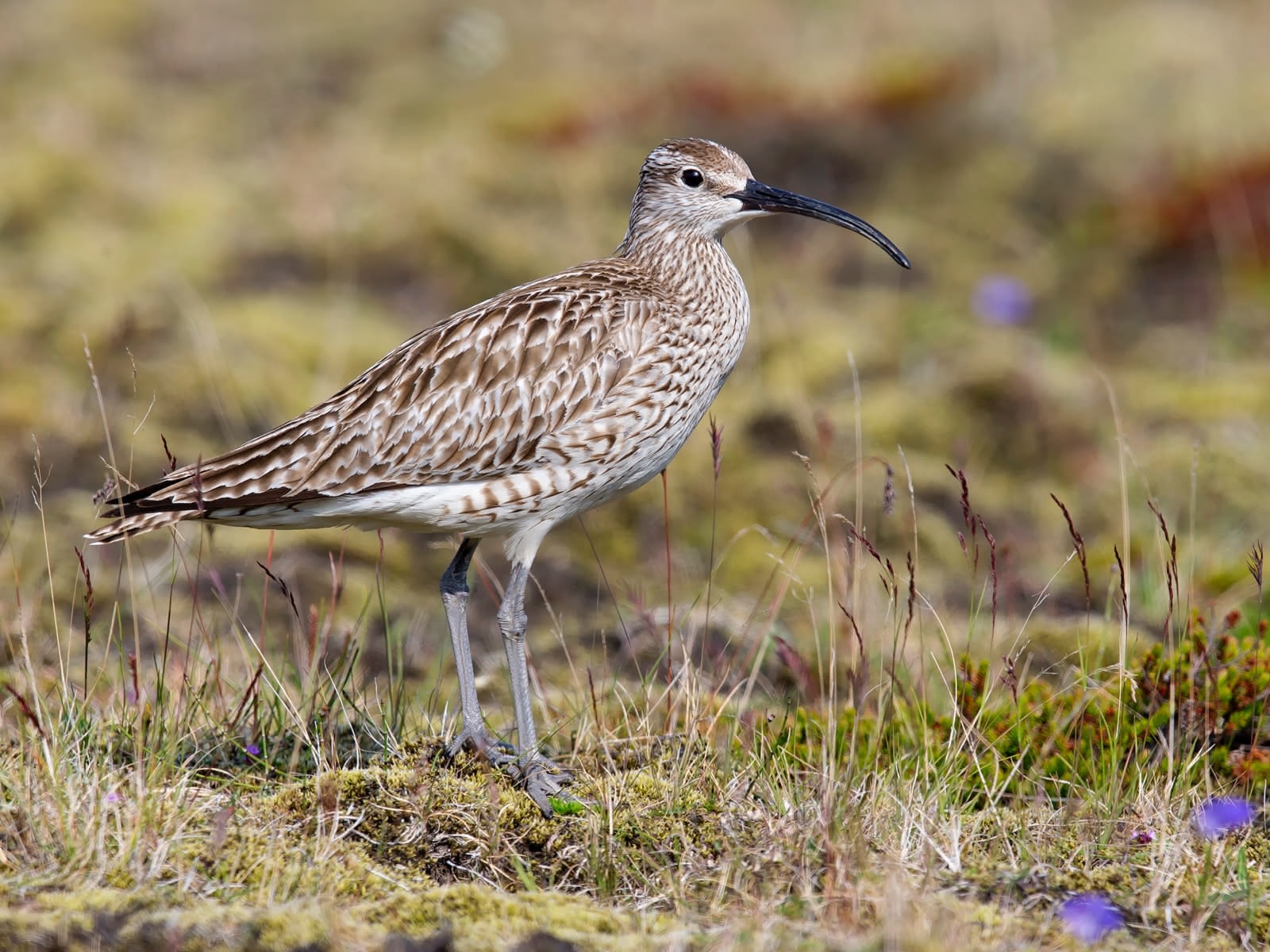
Species concerned
















Unit
Upswing for Birds
Together with partners, we carry out projects to enhance and secure habitats throughout Switzerland in the long term.


