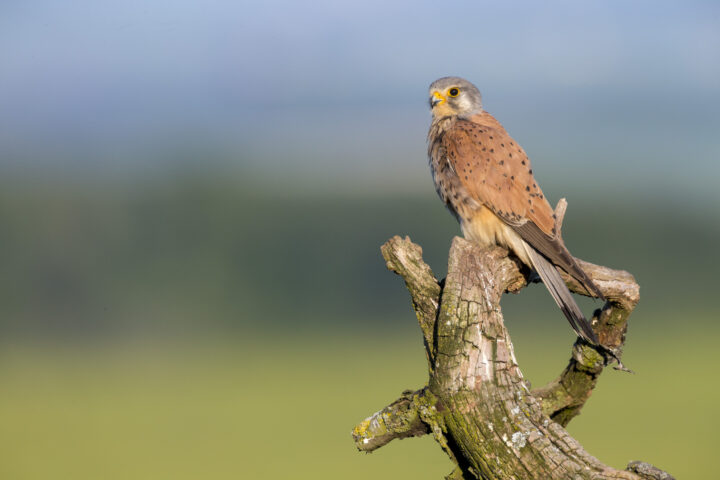

Mercury accumulation and biomagnification in the barn owl (Tyto alba) food chain
Abstract
Mercury (Hg) accumulation and biomagnification in the barn owl (Tyto alba) food chain were investigated using bioindicator samples from three trophic levels: (1) soil and moss (atmospheric deposition indicators), (2) small mammal fur from regurgitated pellets (herbivores and omnivores), and (3) barn owl down feathers (apex predators). Spatial analysis identified regional Hg variation in soil, fur and feathers. Statistical models explored the effects of proximity to water bodies, wetlands and nearby pollution sources. The highest total Hg (THg) concentrations were found in feathers (170 ± 160 µg kg-1, n = 246) and fur in regurgitated pellets (150 ± 200 µg kg-1, n = 150), followed by soil (63 ± 17 µg kg-1, n = 63). Bioaccumulation factors were 2.3 (soil to fur) and 2.7 (soil to feather). Biomagnification factor from fur to feathers was 1.8. Methyl Hg (MeHg), measured in a subset of samples, was 120 ± 130 µg kg-1 in fur (n = 29) and 150 ± 98 µg kg-1 in feathers (n = 42), with 75-97 % of THg in feathers as MeHg. Prey composition significantly influenced fur THg levels, with higher concentrations in diets with omnivorous prey (Apodemus flavicollis) compared to herbivorous prey (Microtus arvalis). These findings highlight the importance of diet in Hg monitoring and biomagnification studies.
Employees