©

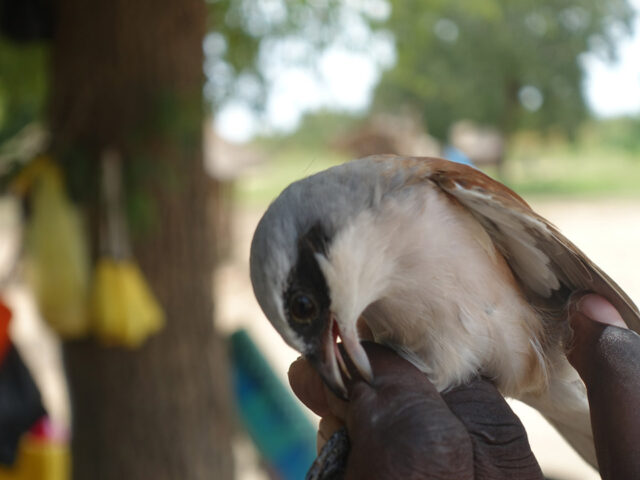
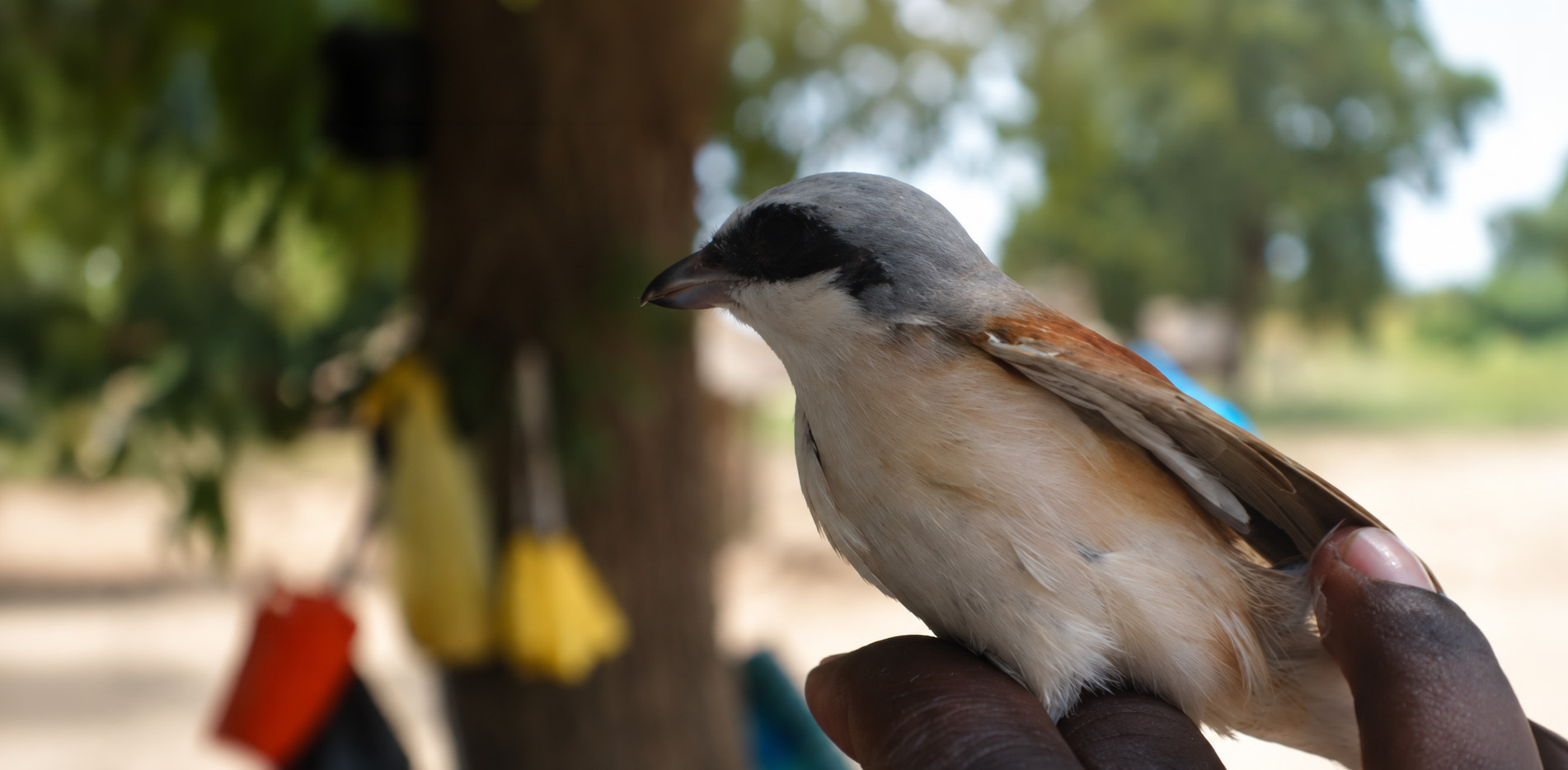
Red-backed Shrike (Lanius collurio), a long-distance migratory passerine during its stay in the African Sahel.

© Elizabeth Yohannes
Stable isotopes

Reading a bird’s biochemical diary: where it has been, what it ate and how it is coping

We are what we eat — and drink. The same is true for birds.

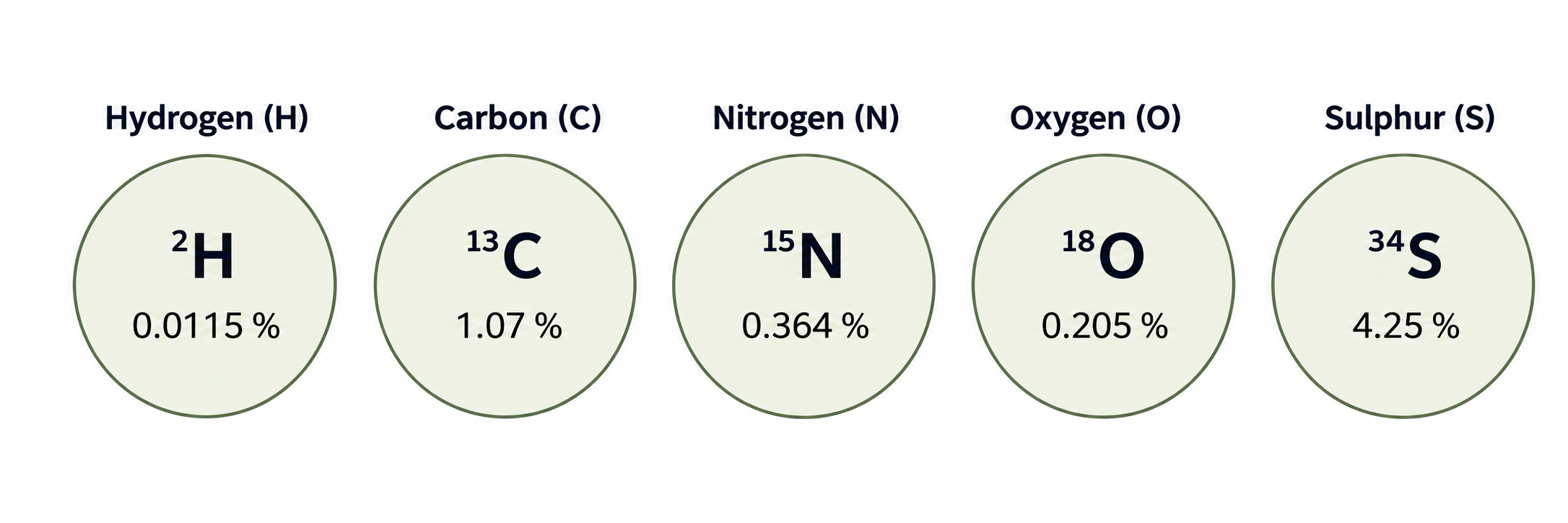
Birds build their bodies from the food they eat and the water they drink. Stable isotopes — naturally occurring variants of carbon, nitrogen, hydrogen, oxygen and sulphur — vary across regions, habitats and food webs. As birds move through the world, these differences become incorporated into their bodies, leaving biochemical signatures of where they have been, what they have eaten, and how their bodies are responding to their environment.

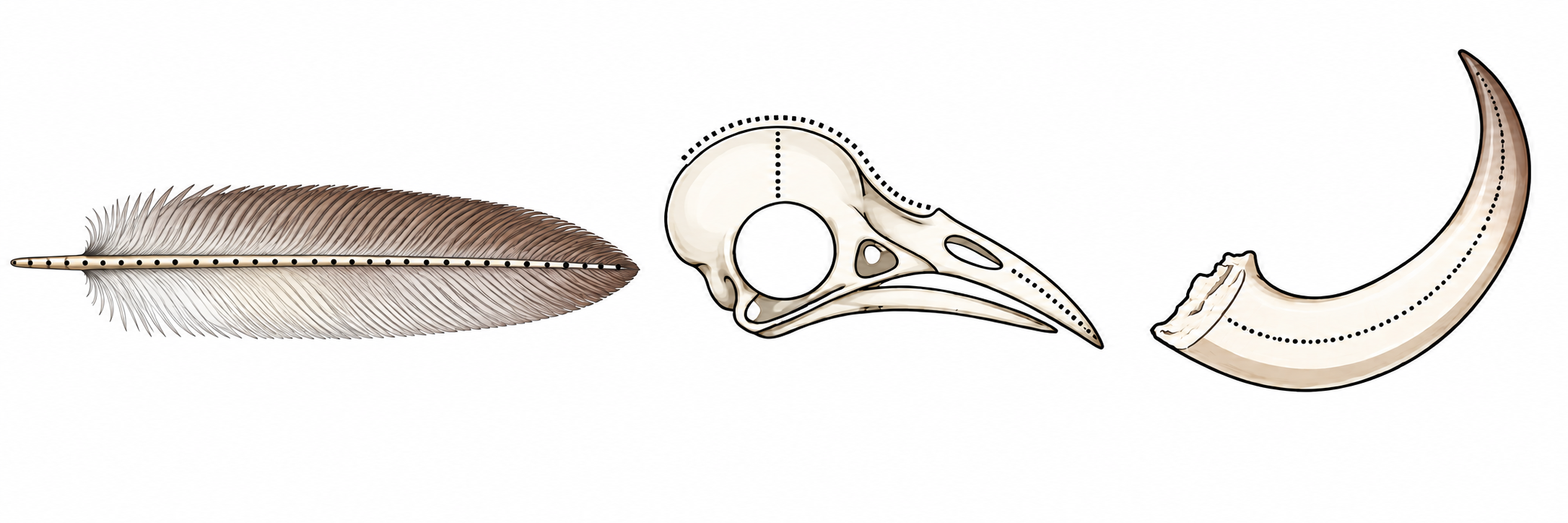
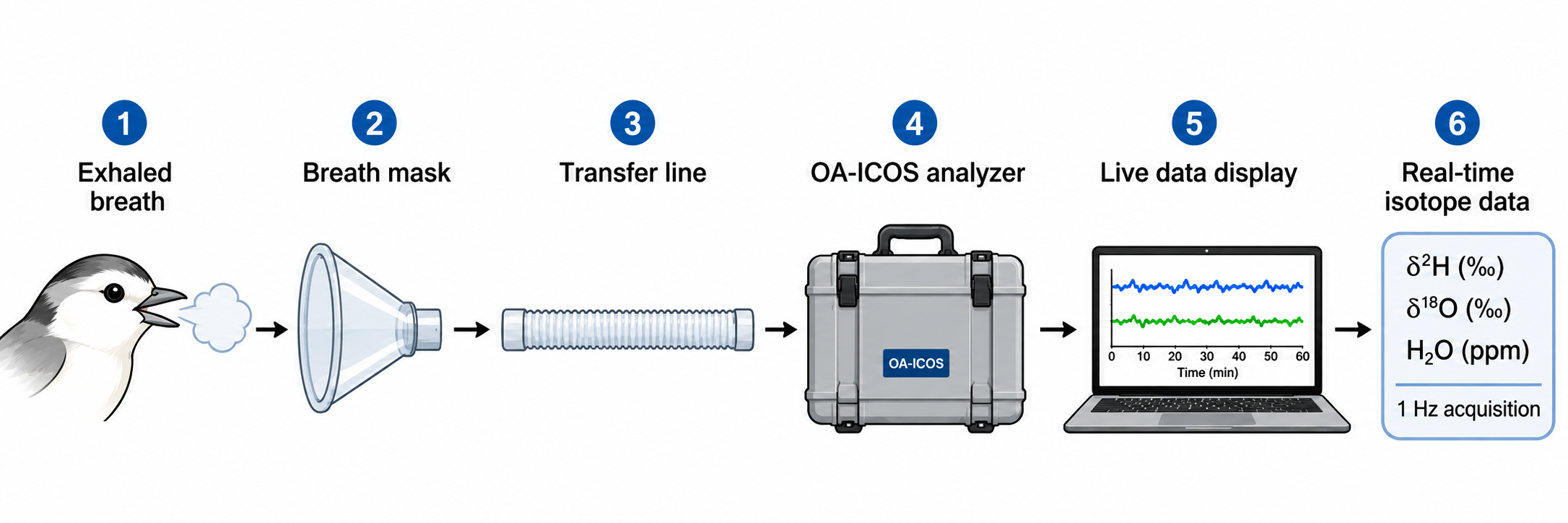
We read these biochemical signatures at different timescales using three complementary approaches: conventional isotope analysis of feathers, claws and blood; laser isotope profiling, which by repeated sampling can turn a single feather or other growing structure into a time series; and real-time exhaled breath analysis, which gives us a physiological snapshot second by second.
Why it matters

Much of what we want to know about a migratory bird happens thousands of kilometres from where we encounter it. Isotopes allow the bird to carry part of that record with it. A feather grown in the Sahel and collected months later in breeding or wintering grounds still contains information about the environment in which it was formed. Different tissues, elements and analytical approaches provide information over very different timescales — from months of migration and moult down to minute-by-minute physiological changes. And much of this information can be collected while handling a bird only briefly before releasing it.

What we want to understand

  • Where birds have been. We reconstruct where migrants moulted and where they came from using feather isotopes, mapped against African isoscapes developed and refined with our own field samples.
  • What birds are eating. We infer nutrition at African stopover and non-breeding sites, and measure how strongly species overlap in their ecological niches.
  • How birds are coping. We measure fuelling, body-water dynamics and physiological responses in birds crossing demanding environments such as deserts.
  • How we can measure better. We develop and validate methods for answering these questions that can ultimately be used by researchers and partners across the migratory flyway.

How we do it

From the bird to the laboratory

Conventional isotope analysis — C, N, H, O and S

Turning a feather into a timeline

A 60-second physiological snapshot: breath isotopes

From measurements to maps

From a minute to a migration

External Partners

  • Swiss Federal Institute for Forest, Snow and Landscape Research (WSL)
  • Research Institute of Wildlife Ecology, University of Veterinary Medicine Vienna
  • Austrian Ornithological Centre, Konrad Lorenz Institute of Ethology, Vienna
  • Yasmina Research Station, Morocco

Project management