


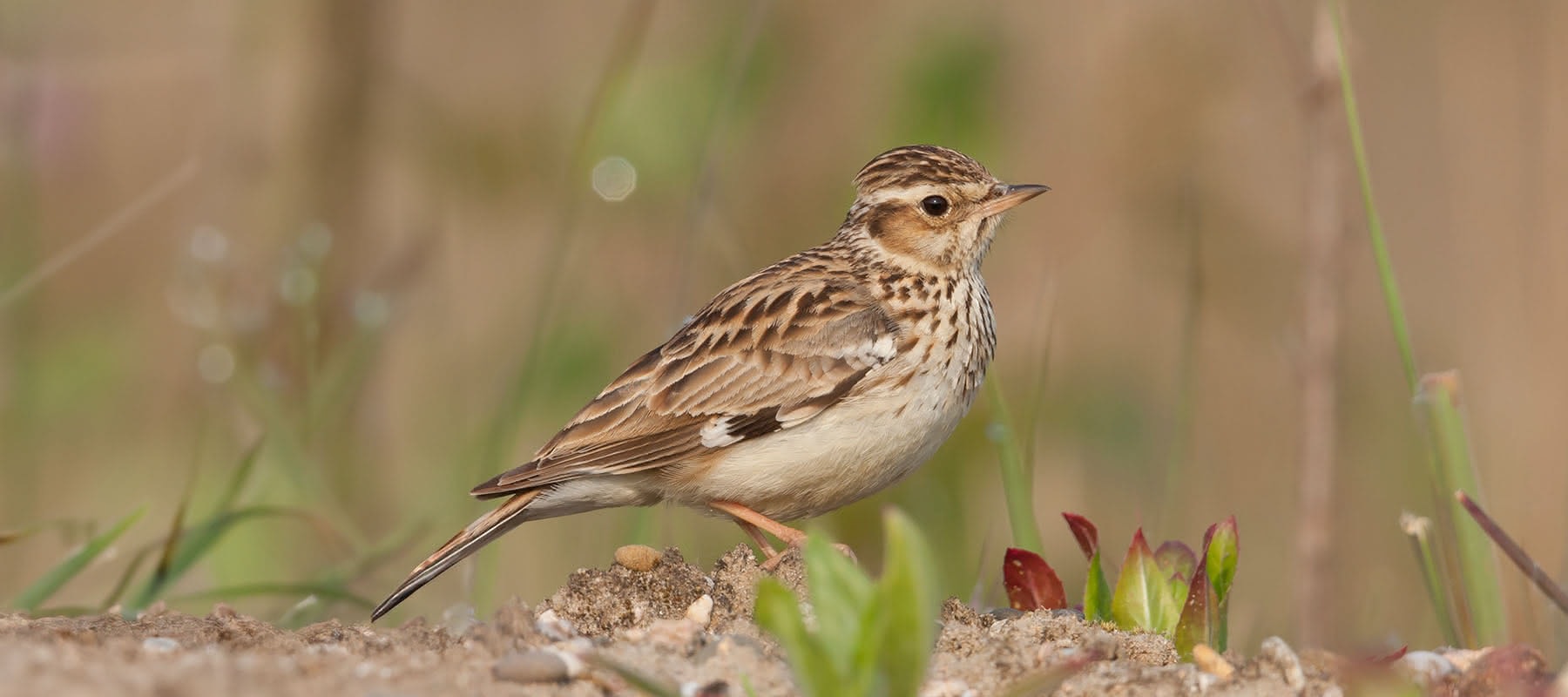
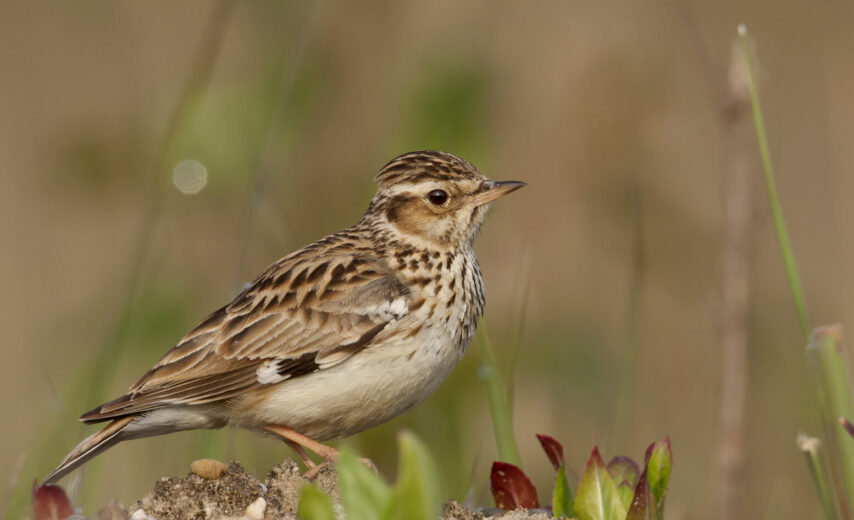
In Switzerland, the Woodlark is found mainly in the wooded pastures of the Jura Arc and in the vineyards of Valais, where it finds sparse, lean vegetation, rich in easily accessible insects, as well as structures that serve as song perches.
Following a sharp decline in numbers until the 1990s, the Swiss population is now showing positive growth, particularly in the Jura Arc. The main conservation measures to support this positive trend are the promotion of extensive management of well-structured wooded pastures, as well as partial grassing and the creation of structural elements in vineyards.
©
© Ralph Martin
Conservation programme for birds in Switzerland - Priority species
Woodlark
Distribution and development
Schematic distribution
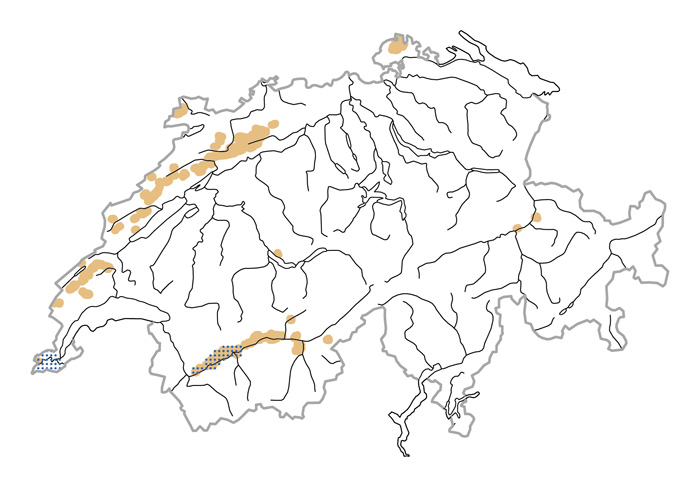
Schematic distribution during the breeding season (ochre), in winter time (dotted in blue) or during migration periods (dotted in vinaceous).
Breeding bird index
The graph shows the relative evolution of the breeding population in Switzerland (100 = mean value). Example: A value of 130 means that the population in the corresponding year was 30% above the mean value of the entire period considered.
Habitat and food
©
© Anatole Gerber
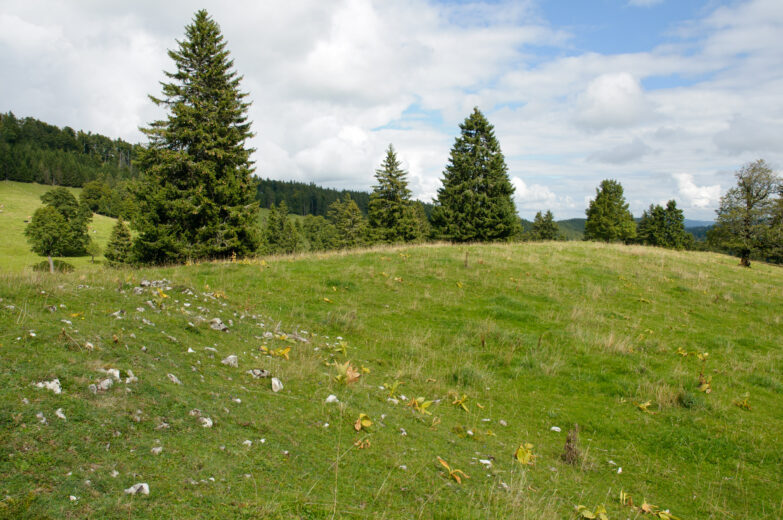
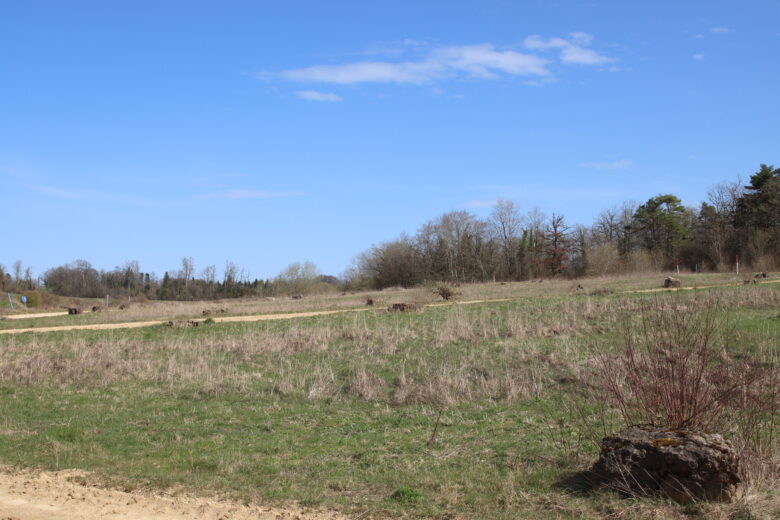
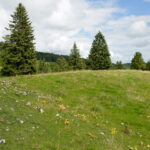
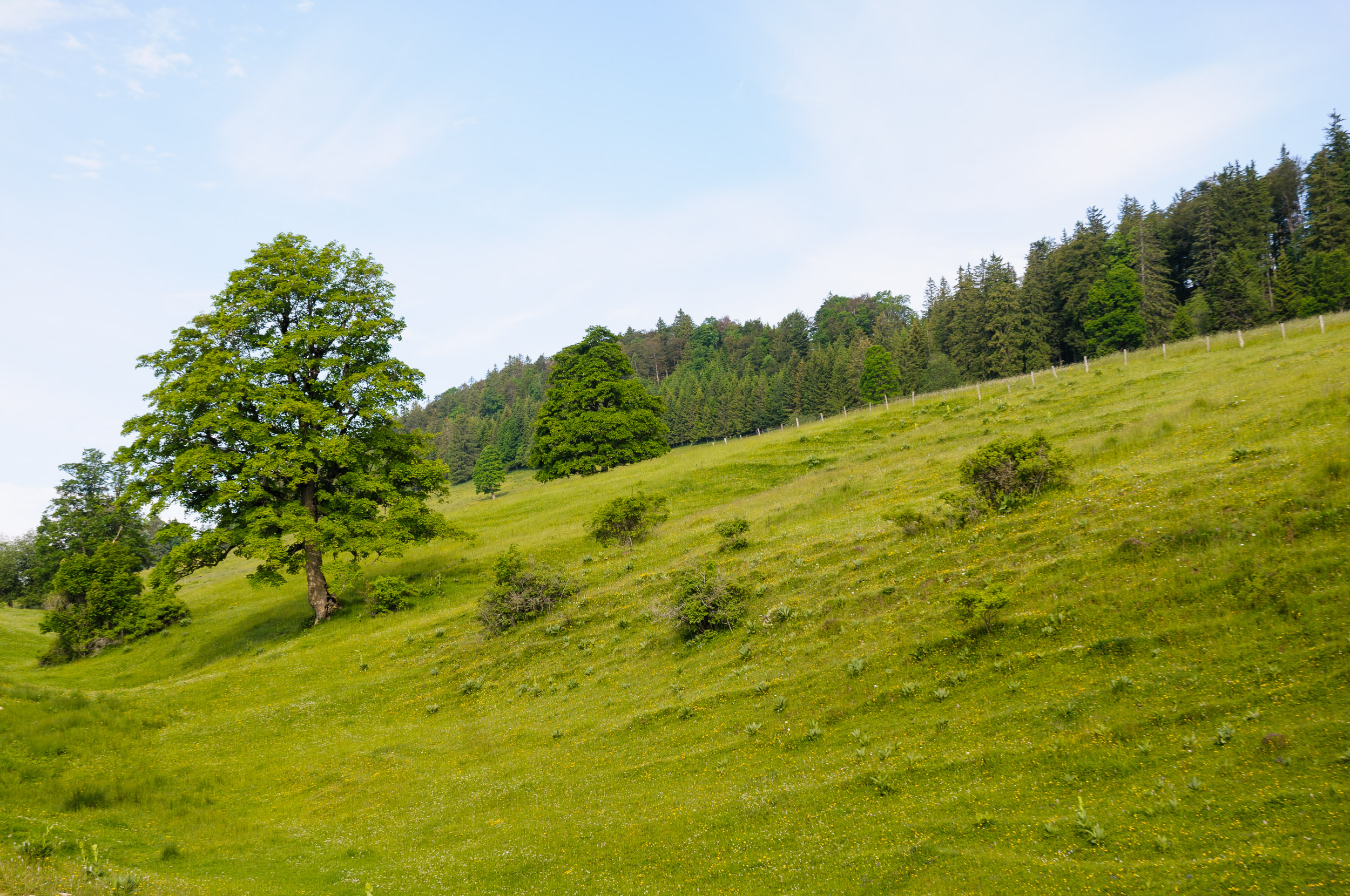
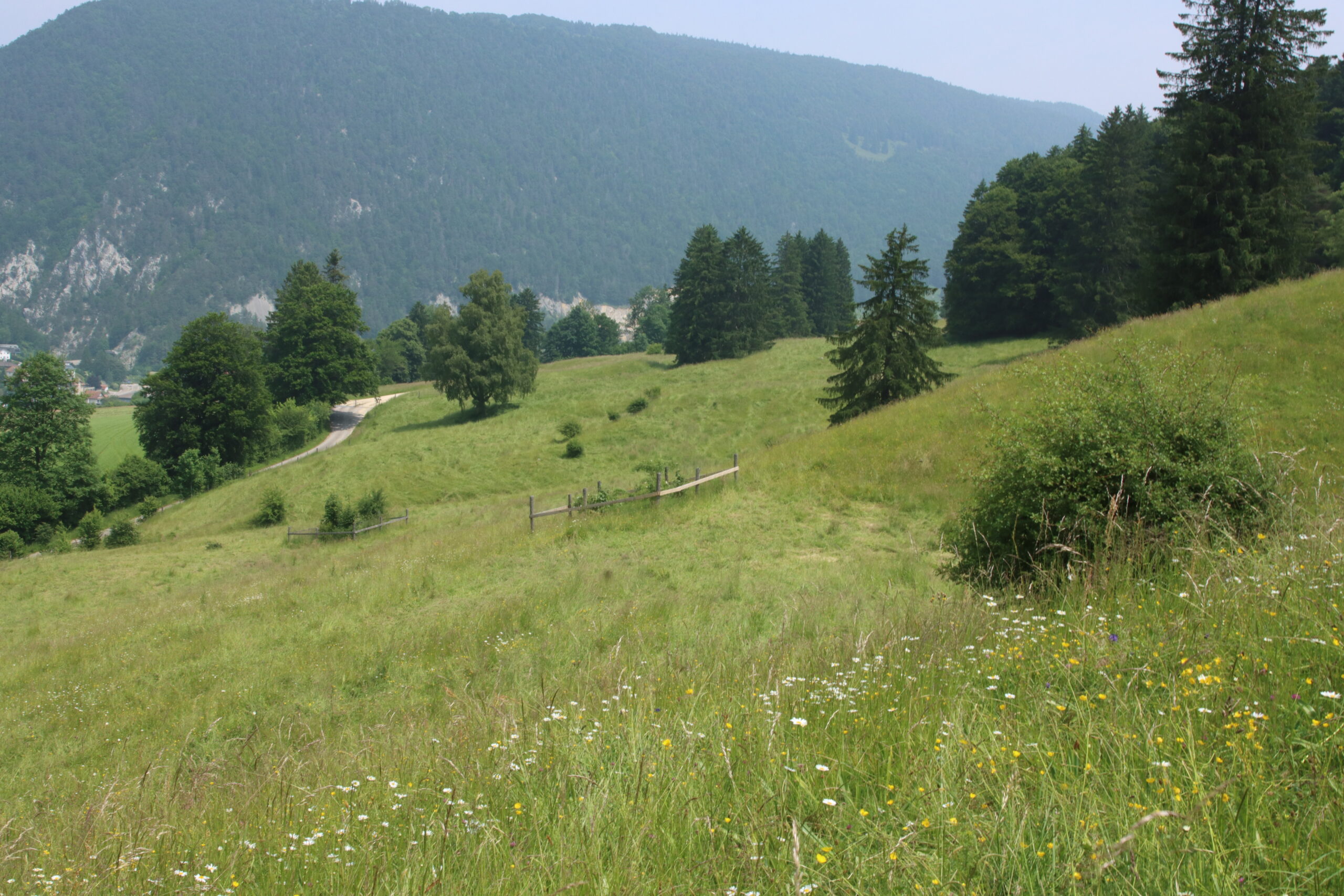
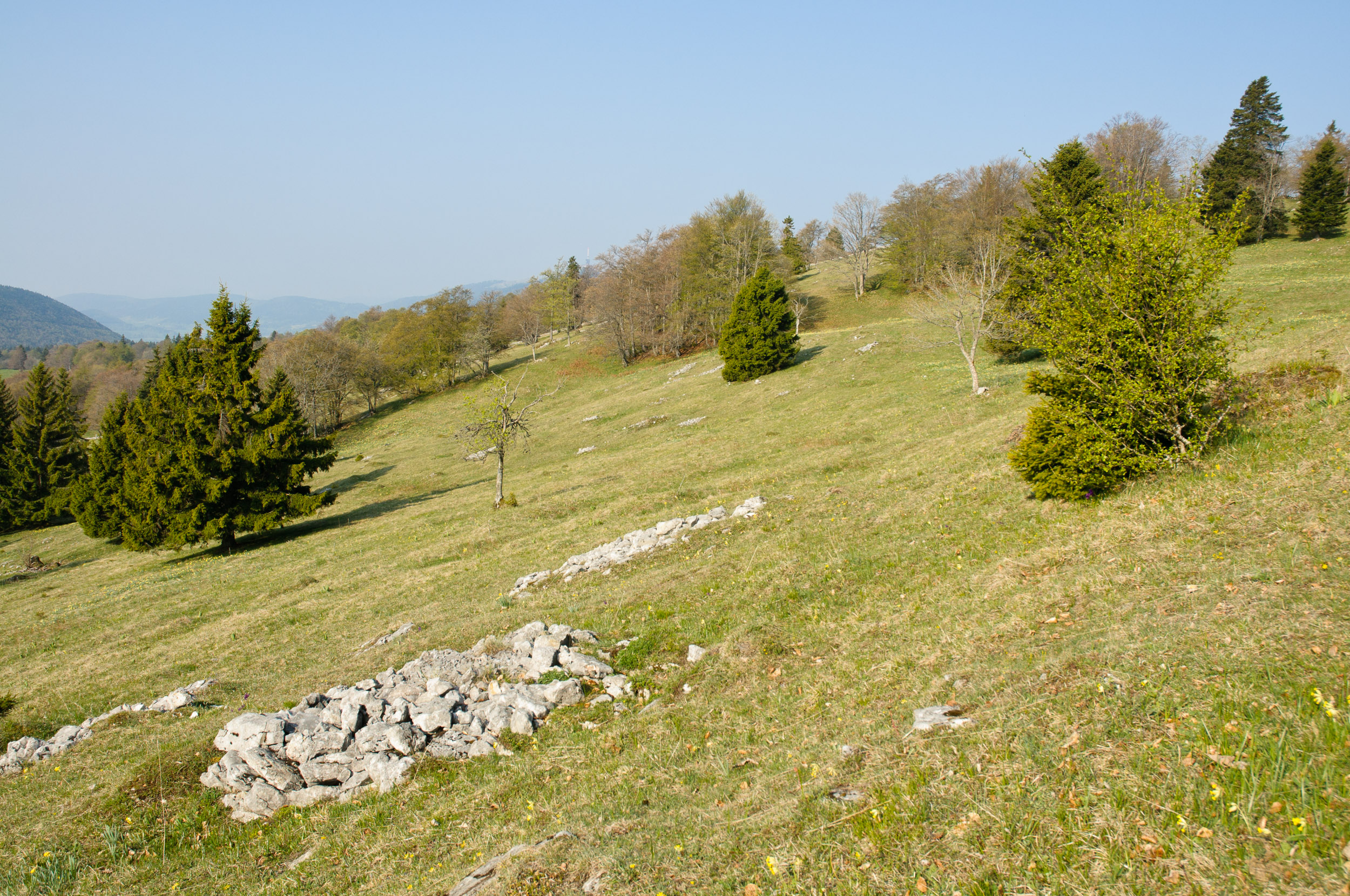
The Woodlark requires short, sparse vegetation for feeding, as well as structures (e.g., rocky outcrops, piles of rocks, low wall) that provide food and song perches. These elements are found in extensively managed wooded pastures (Cortébert BE, 2016).
©
© Julien Mazenauer
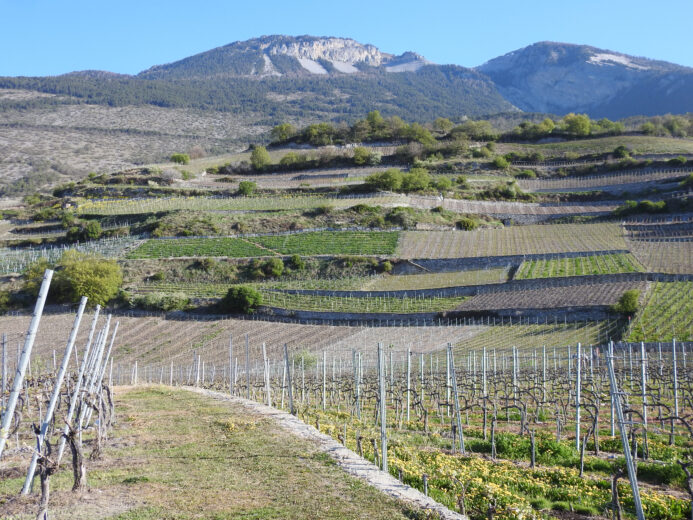
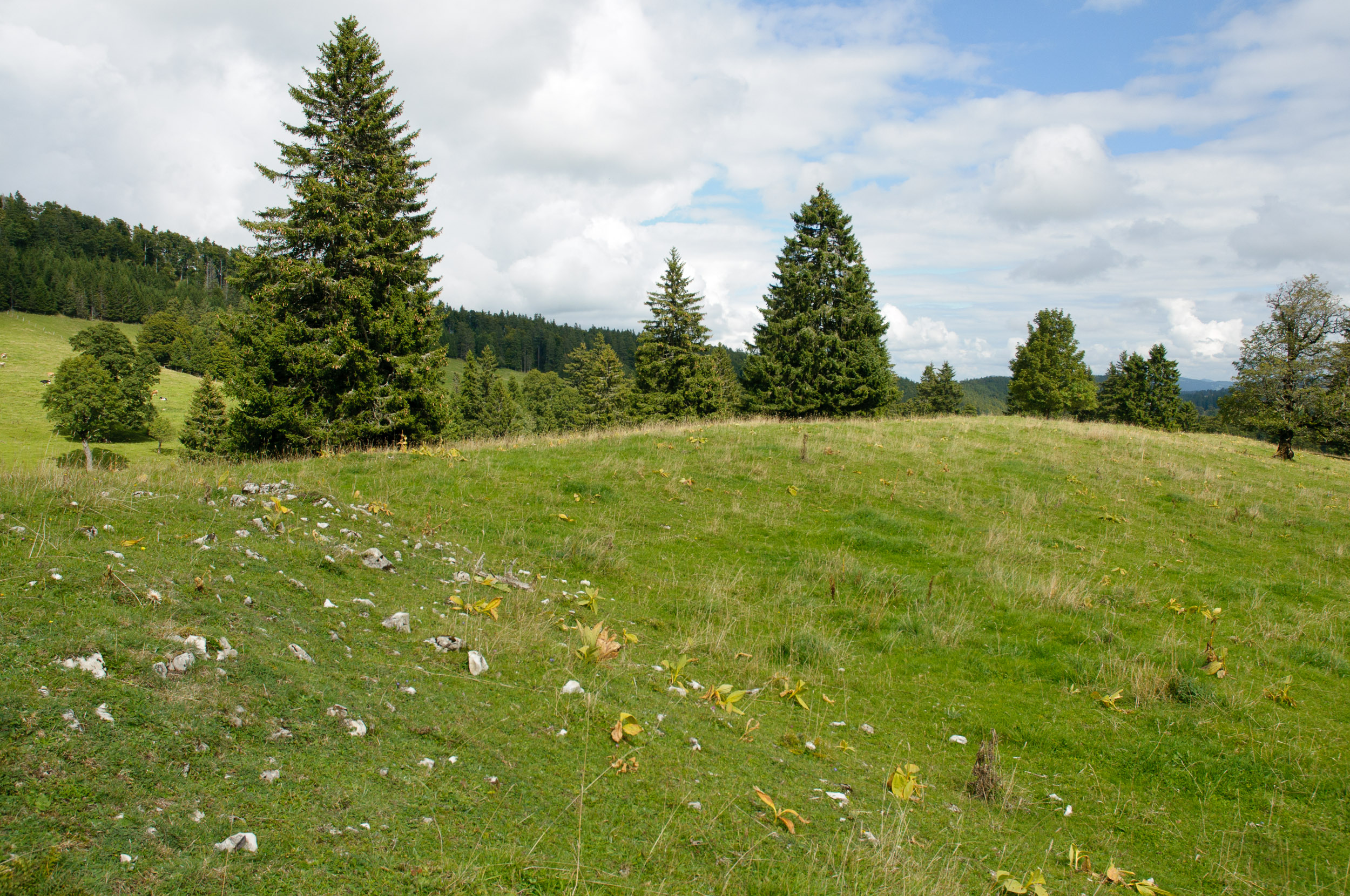
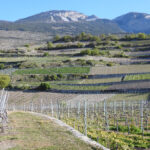
In the vineyards of Valais the Woodlark favours partially grassed and richly structured vines (Salquenen VS, 2023).
©
© Marco Pilati
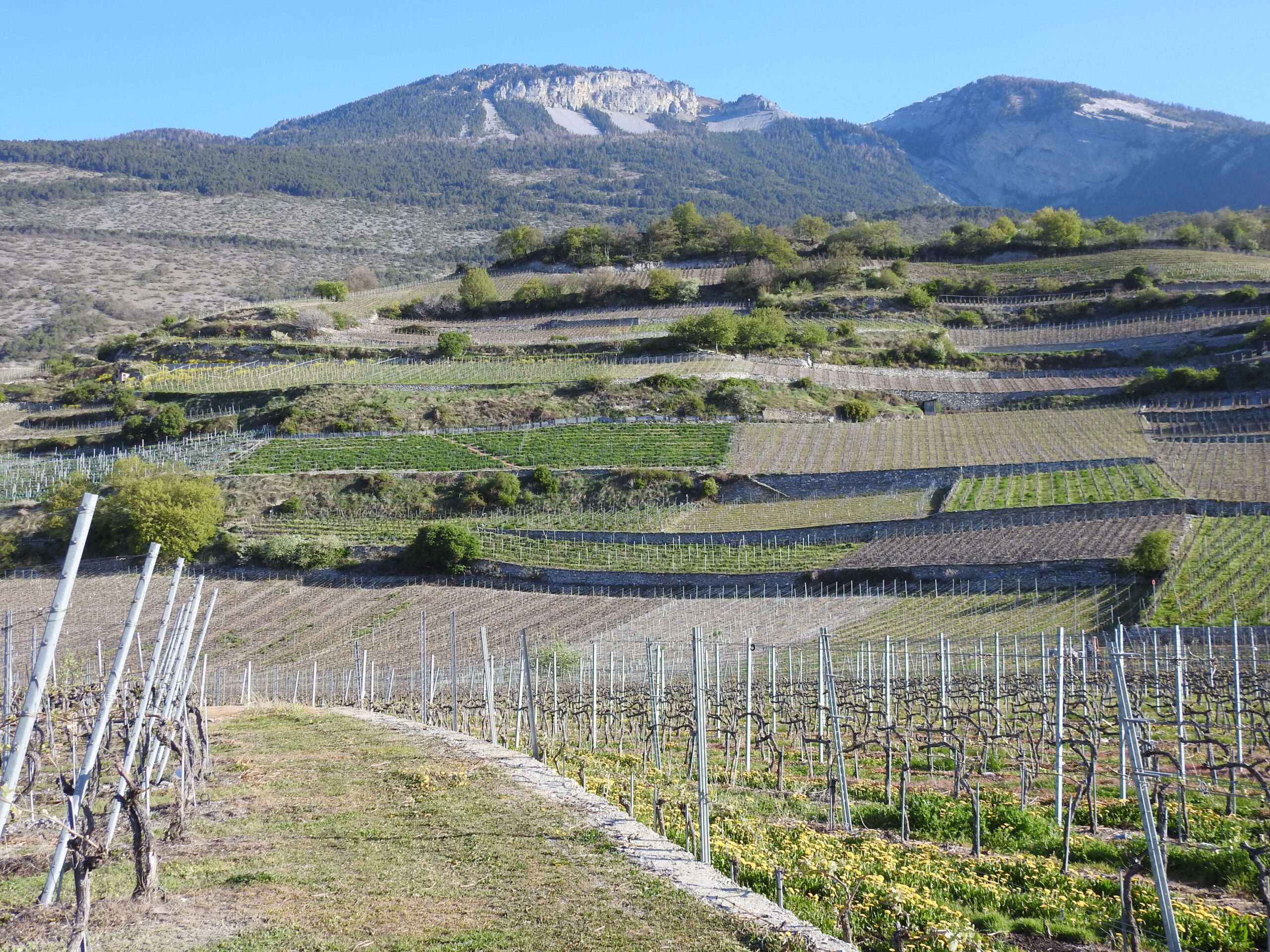
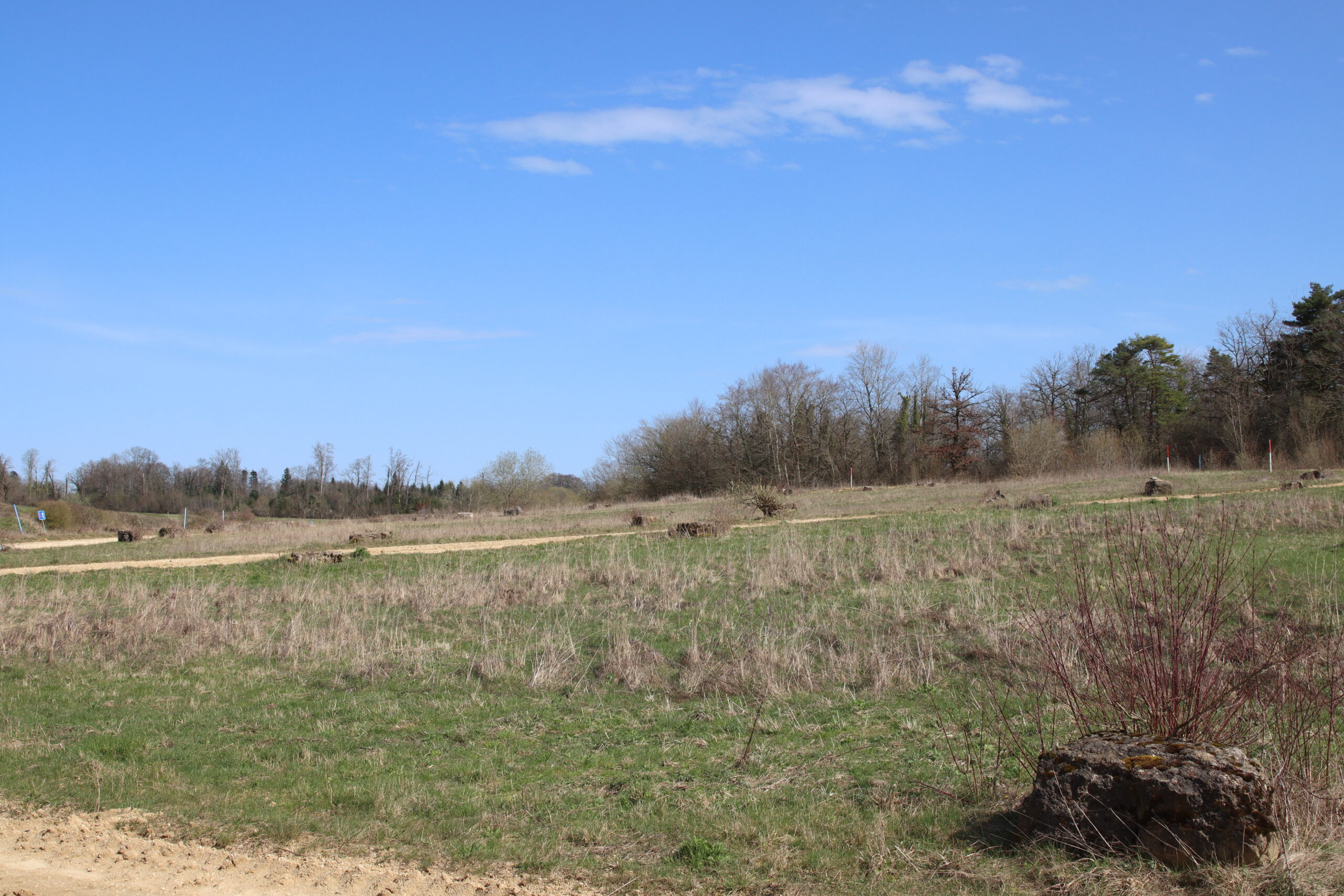
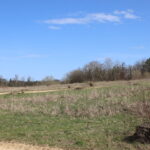
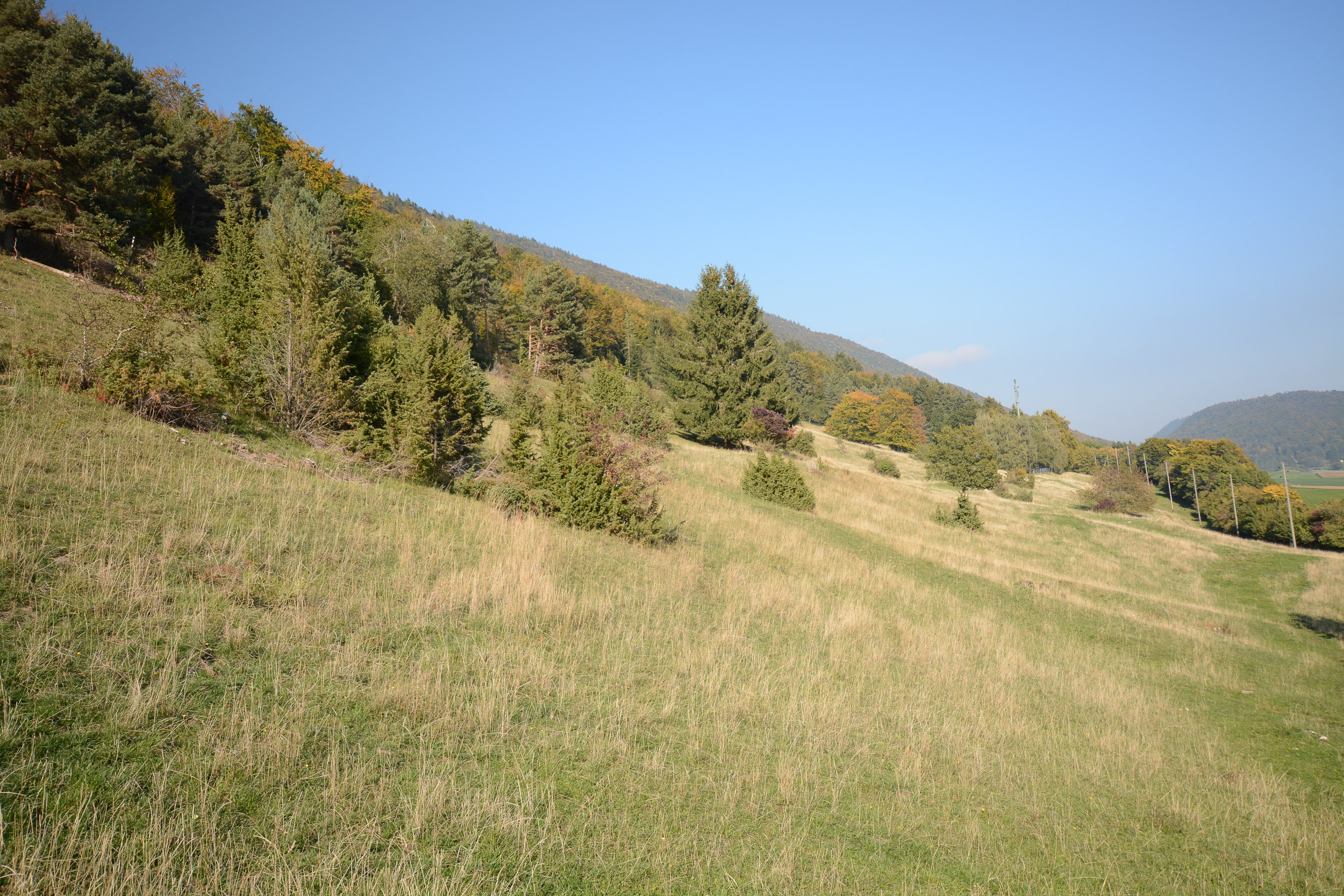
Rich in bare soil, varied structures and sparse vegetation, military sites also provide a suitable habitat for the Woodlark (Bure JU, 2024).
©
© Anatole Gerber
The Woodlark requires short, sparse vegetation for feeding, as well as structures (e.g., rocky outcrops, piles of rocks, low wall) that provide food and song perches. These elements are found in extensively managed wooded pastures (Cortébert BE, 2016).
©
© Julien Mazenauer
In the vineyards of Valais the Woodlark favours partially grassed and richly structured vines (Salquenen VS, 2023).
©
© Marco Pilati
Rich in bare soil, varied structures and sparse vegetation, military sites also provide a suitable habitat for the Woodlark (Bure JU, 2024).
Conservation programme for birds in Switzerland - Priority species
Woodlark
In Switzerland, the Woodlark is found mainly in the wooded pastures of the Jura Arc and in the vineyards of Valais, where it finds sparse, lean vegetation, rich in easily accessible insects, as well as structures that serve as song perches.
Following a sharp decline in numbers until the 1990s, the Swiss population is now showing positive growth, particularly in the Jura Arc. The main conservation measures to support this positive trend are the promotion of extensive management of well-structured wooded pastures, as well as partial grassing and the creation of structural elements in vineyards.
Following a sharp decline in numbers until the 1990s, the Swiss population is now showing positive growth, particularly in the Jura Arc. The main conservation measures to support this positive trend are the promotion of extensive management of well-structured wooded pastures, as well as partial grassing and the creation of structural elements in vineyards.
Birds of Switzerland
Woodlark
To the species profile in the bird database
Project managers


Threats, activities and forecasts
Limiting factors and threats
Habitat loss and loss of quality are the main limiting factors for the species in Switzerland. In addition, the use of plant protection products reduces the supply of food in potentially suitable habitats, especially in vineyards.
Breeding season
- Habitat loss due to intensification of agricultural practices, homogenisation of the landscape, or the encroachment of scrub on uncultivated land.
- Adverse weather conditions during the breeding season.
Migration/ Winter
- Adverse weather and excessive snow cover reduce availability and access to food during migration and at wintering sites.
Necessary activities
Monitoring
- Each year, areas are identified in the Chasseral Park and the Randen mountain range in Schaffhausen.
- Other reference areas in other regions would improve the overall picture of the species’ status in Switzerland.
Conservation
- Conservation of areas with sparse vegetation and rocky outcrops.
- Promotion of extensive pasture management.
- Promotion of small structures.
- Promotion of wooded pastures.
- Reopening of overgrown poor pastures.
- Promotion of partial grassing and structures in vineyards.
Research
- More in-depth studies on the recent positive development of the species in Switzerland and on its habitat preferences in wooded pastures.
- Studies on breeding success and population dynamics.
Prospects for success and prognostics
- The Swiss populations of the Woodlark are following a positive trend, probably due to favourable climatic conditions.
- There is a need to protect currently occupied sites and to improve habitat quality at potentially suitable sites to support population growth.
Conservation measures and stakeholders
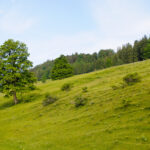
Promote extensive grazing
Extensive grazing promotes species- and structure-rich vegetation.
Show more
Agriculture
Cantons
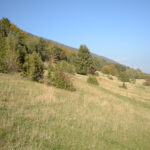
Create patchy vegetation
Patchy vegetation improves food accessibility at ground level.
Show more
Agriculture
Cantons
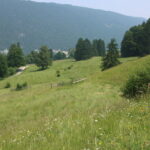
Promote small structures
Small structures such as piles of branches or stones, patches of sand or dry stone walls promote biodiversity.
Show more
Agriculture
Cantons
Nature conservation
Parcs
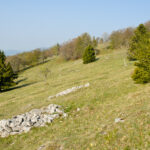
Promote singing or hunting perches
Individual shrubs, trees or wooden posts can serve as singing and hunting perches and improve habitat quality.
Show more
Agriculture
Cantons
Nature conservation
Parcs
Promote extensive farming
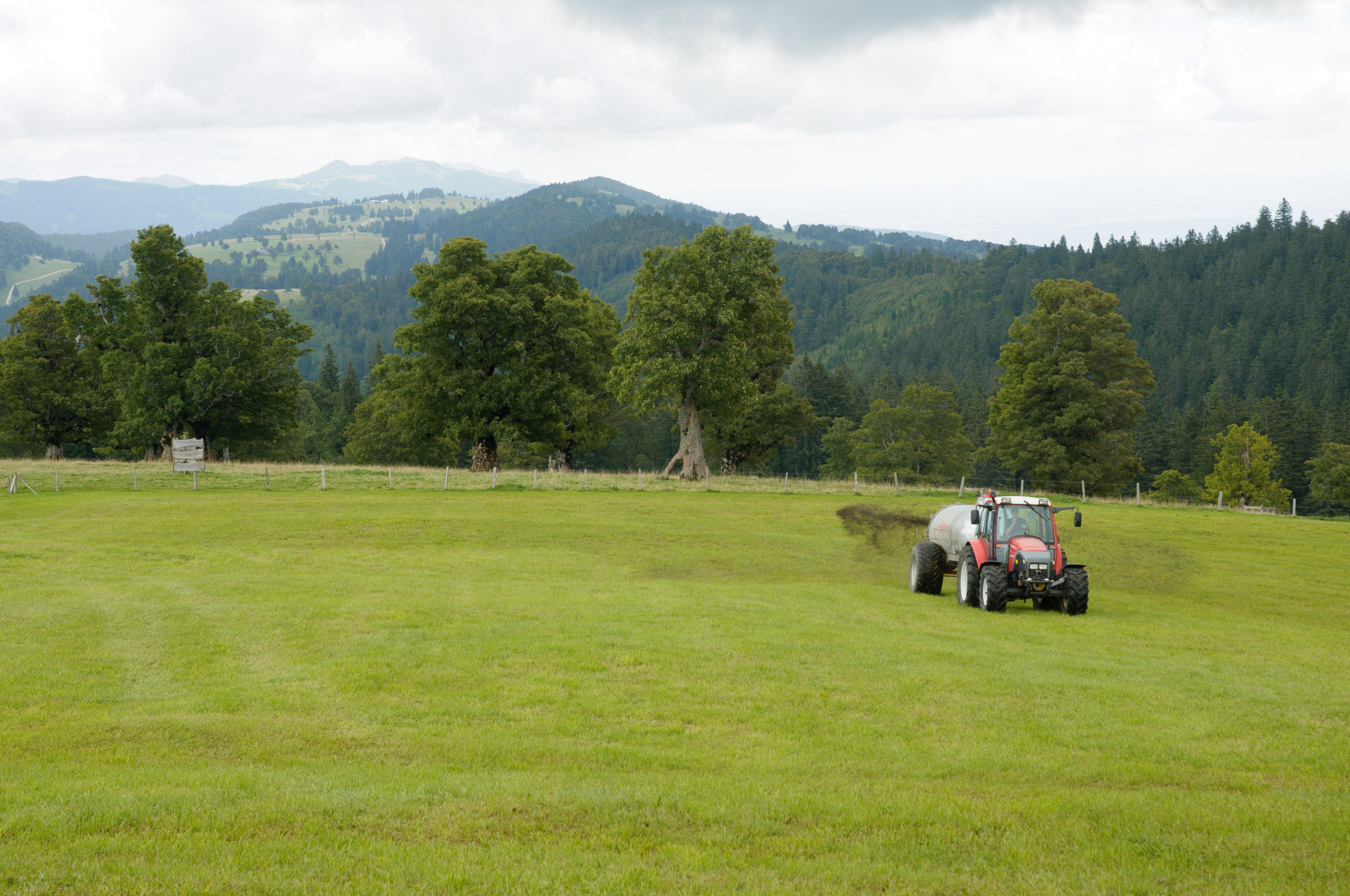
Avoidance of the fertilisation of pastures fertilisation preserves sparse vegetation, and non-use of plant protection products promotes food supply.
Agriculture
Cantons


©
© Ralph Martin
Birds of Switzerland
Woodlark
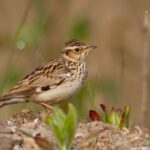
The fluting song of the Woodlark is one of the most beautiful among wild birds and can be heard during the day as well as at night. The trilling or melancholic phrases that drop in pitch towards the end led to the Woodlark’s scientific name Lullula and the French name “Alouette lulu”. The open and rather dry habitats interspersed with patchy vegetation, which it prefers, have become ...
To the species profile in the bird database


