
Spatial decision-support tools

Development of high-resolution maps for targeted protection measures

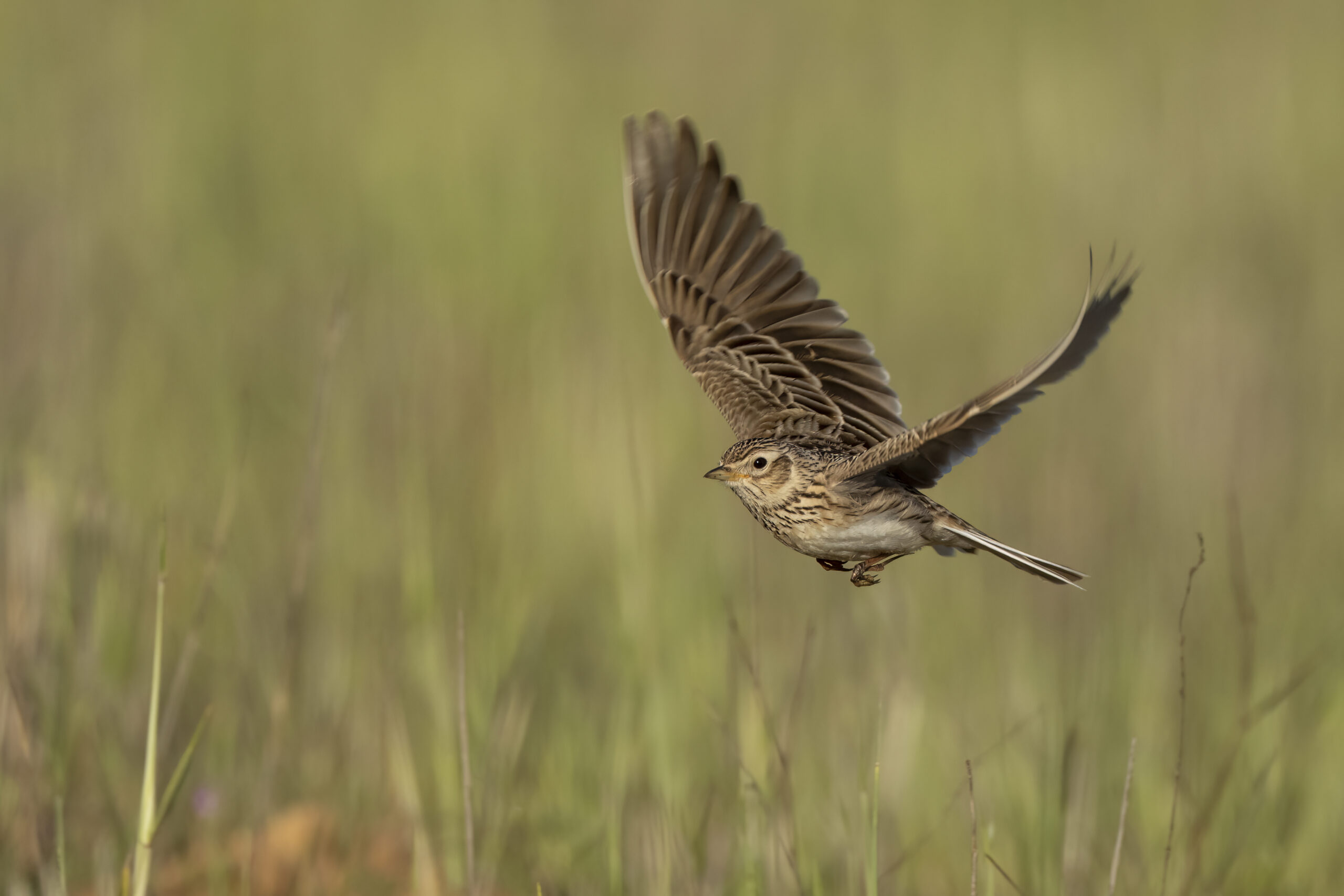
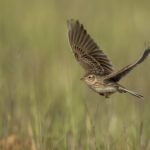
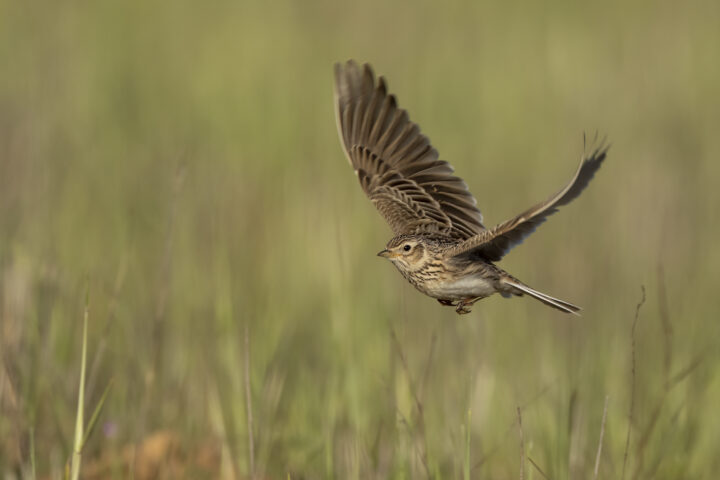
When planning and implementing conservation and support measures for threatened bird species, a key question always arises: Where, and through which measures, can particular bird species be effectively supported? This applied project of the Swiss Ornithological Institute develops urgently needed spatial decision-support tools. These tools provide practitioners in forestry, nature conservation, and spatial planning with high-resolution maps and guidance material to support the planning, implementation, and evaluation of measures for threatened birds species and to screen for potential synergies or trade-offs between different objectives.

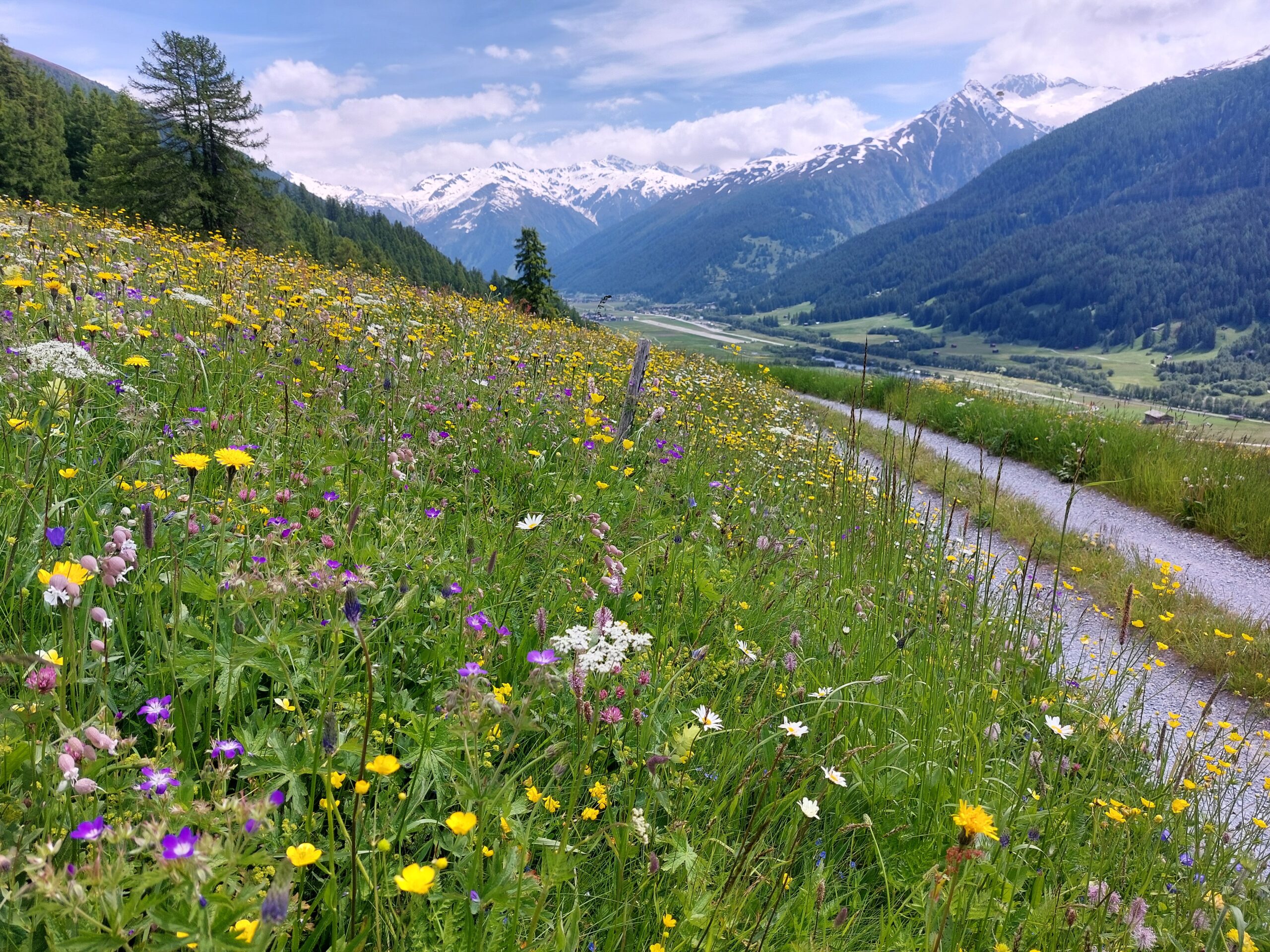
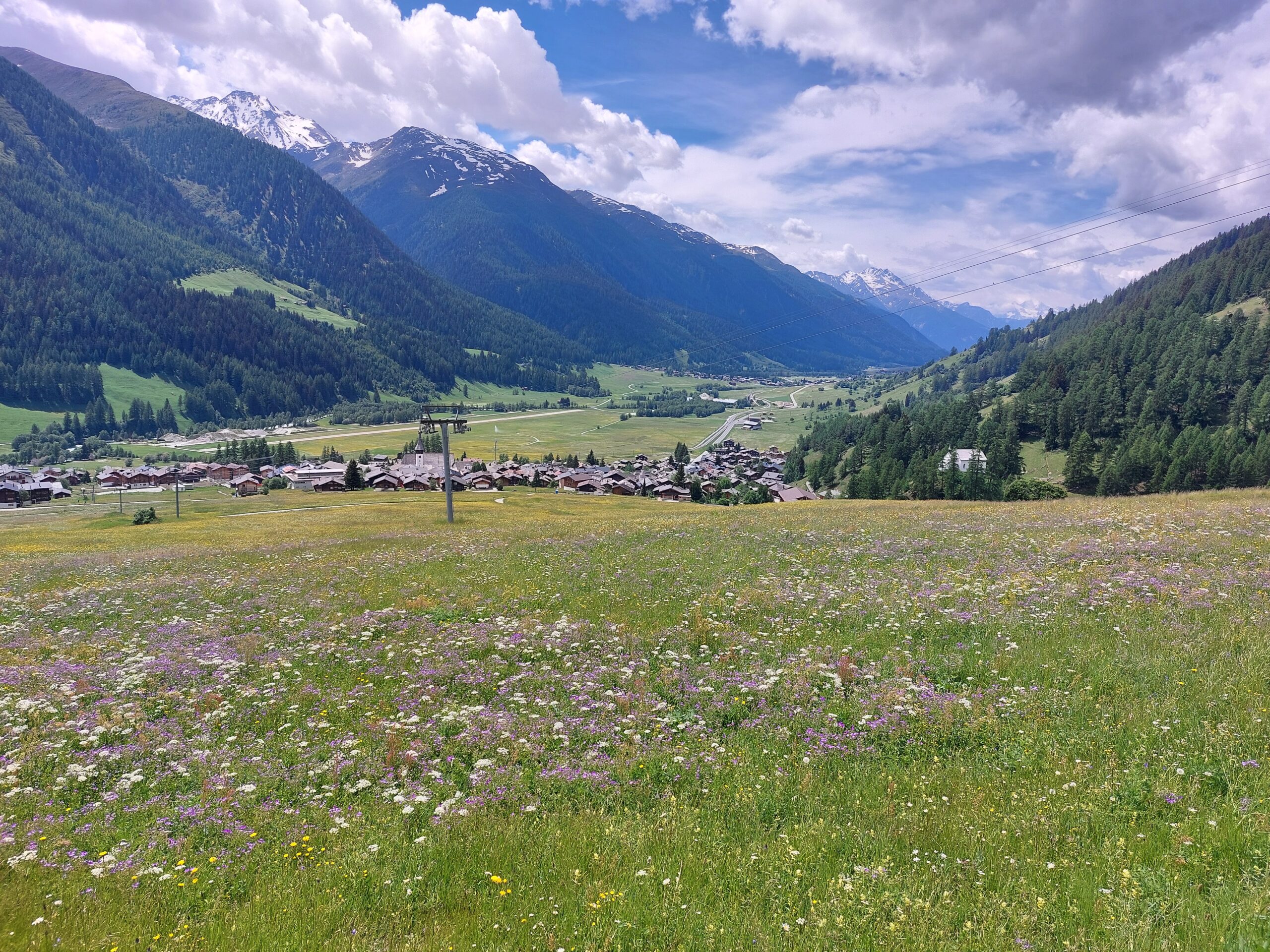
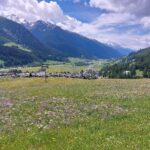
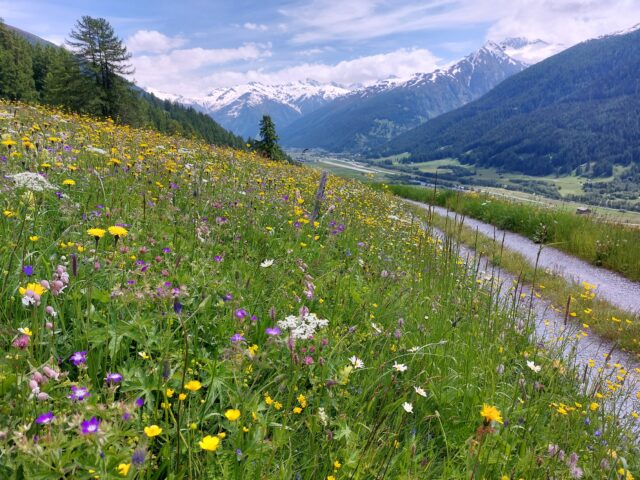
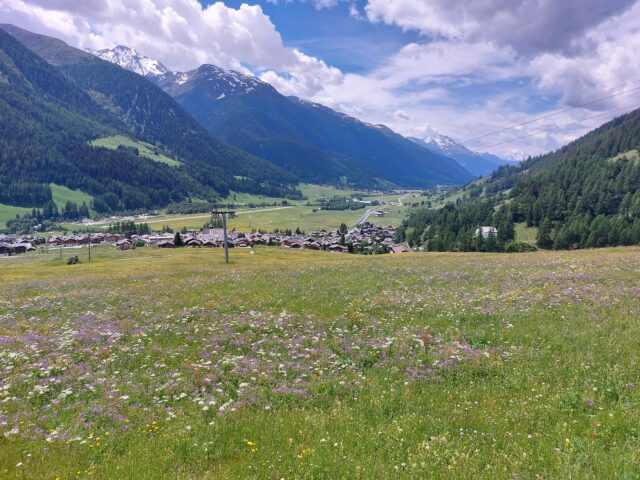
Available: Maps for the conservatin of grassland birds in mountain and summer pasture areas
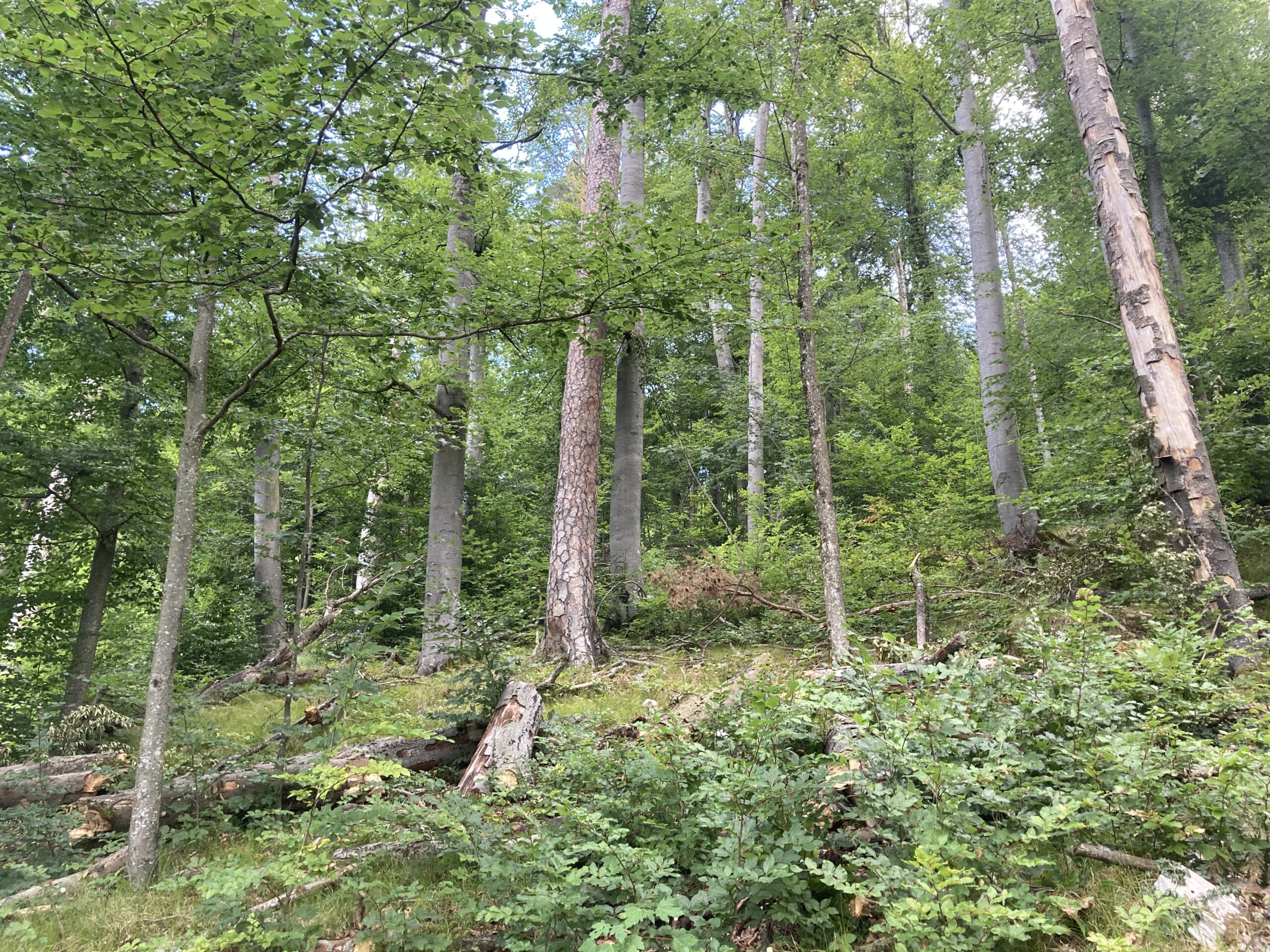
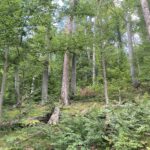
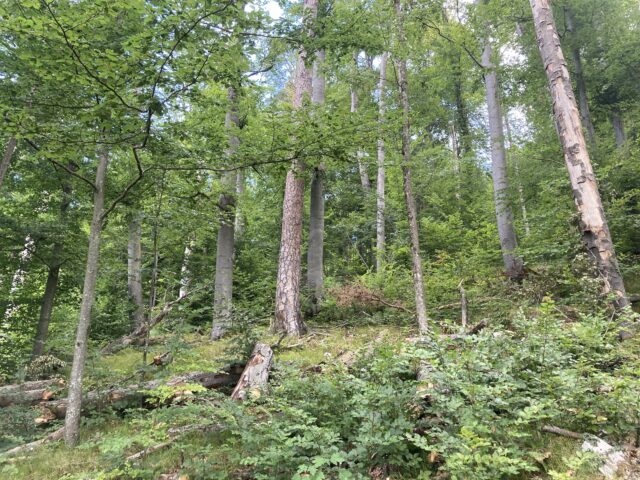
In development: BioForsee: Co-Producing Spatial Decision Support for Biodiversity-Oriented Forest Management under Climate Change

Domain Research
Unit Applied research
Topics Species Recovery, Habitat Promotion
Habitat semi-open farmland, forest, meadows and pastures
Project start 2023
Project status ongoing
Project management Nica Huber
Project region Switzerland

Details

Project objectives

The main objective of this project is to develop nationwide decision-support tools for Switzerland that identify where and how specific bird species can be effectively promoted through targeted conservation measures. These tools consist, on the one hand, of high-resolution spatial maps and, on the other hand, of accompaying material that provide background information as well as specific recommendations for each map category and species. Depending on the habitat type (e.g. grasslands or forests), additional objectives are defined.

Methodology

The tools are being developed through an iterative process in close collaboration with the key stakeholder groups to ensure its practical relevance and user-friendliness. The process begins with an assessment of user needs, followed by the development of a concept for the overall product, including the map content, the format and content of the accompanying material, and the most suitable platform(s).
The workflow for map production is first developed based on a few pilot species and is then gradually extended to additional species. Depending on the selected map categories, various data sources available across Switzerland are processed and combined. These include, for example, bird observation data from standardized or species-specific monitoring programs, checklist data, and opportunistic observations contributed by volunteers (citizen science data). To characterize habitats, we use high-resolution environmental variables, such as nationwide high-resolution LiDAR (Light Detection and Ranging) data. The workflow is designed so that the maps can be updated regularly.
In parallel with the maps, practice-oriented guidance materials are being developed. These complement the maps with background information and, depending on the map category and species, provide specific recommendations for the effective planning and implementation of conservation measures.

Project partner(s)

Financial support

Publications

Employees

Species concerned

Applied research link
Unit

Applied research

We close conservation-relevant ecological knowledge gaps and test tools to promote avian species and communities of conservation concern.

Learn more

Additional projects

Donate
Help the birds of Switzerland.
Your support allows us to monitor stocks, identify problems, develop solutions and provide assistance to endangered species.
Donate Now
Logo Zewo

We handle the donations entrusted to us very carefully. For many years, the Swiss Ornithological Institute has carried the ZEWO seal of approval for non-profit institutions.