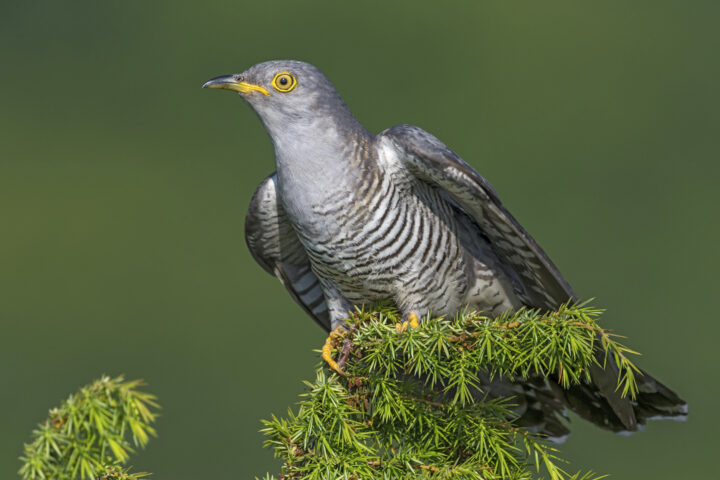
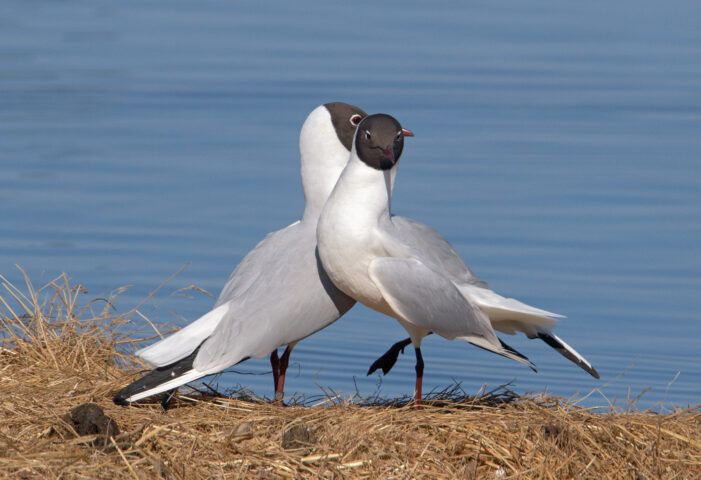
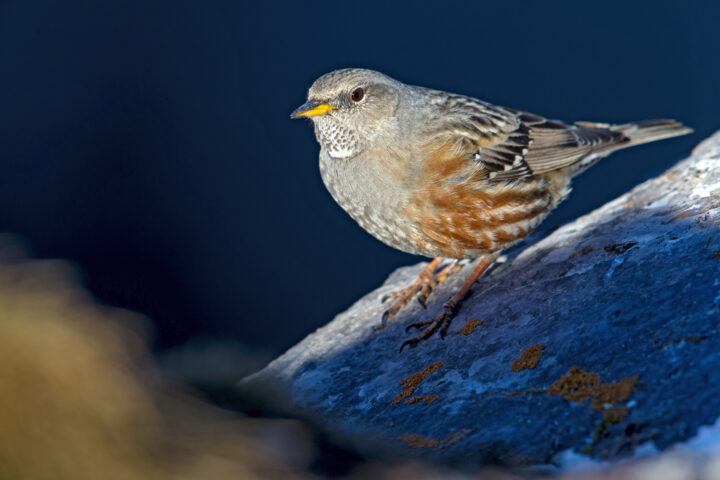
Passive Acoustic Monitoring (PAM) offers new opportunities for long-term, large-scale monitoring of rare and elusive birds, particularly in remote mountain forests. The project investigates whether PAM can improve population trend estimation, whether acoustic recordings should be combined with casual observations, and whether call types can reliably infer breeding status. It further examines the potential of PAM to detect phenological change and support future atlas projects. To reach these goals we collaborate with volunteers from across Switzerland.
©
© Thomas Sattler
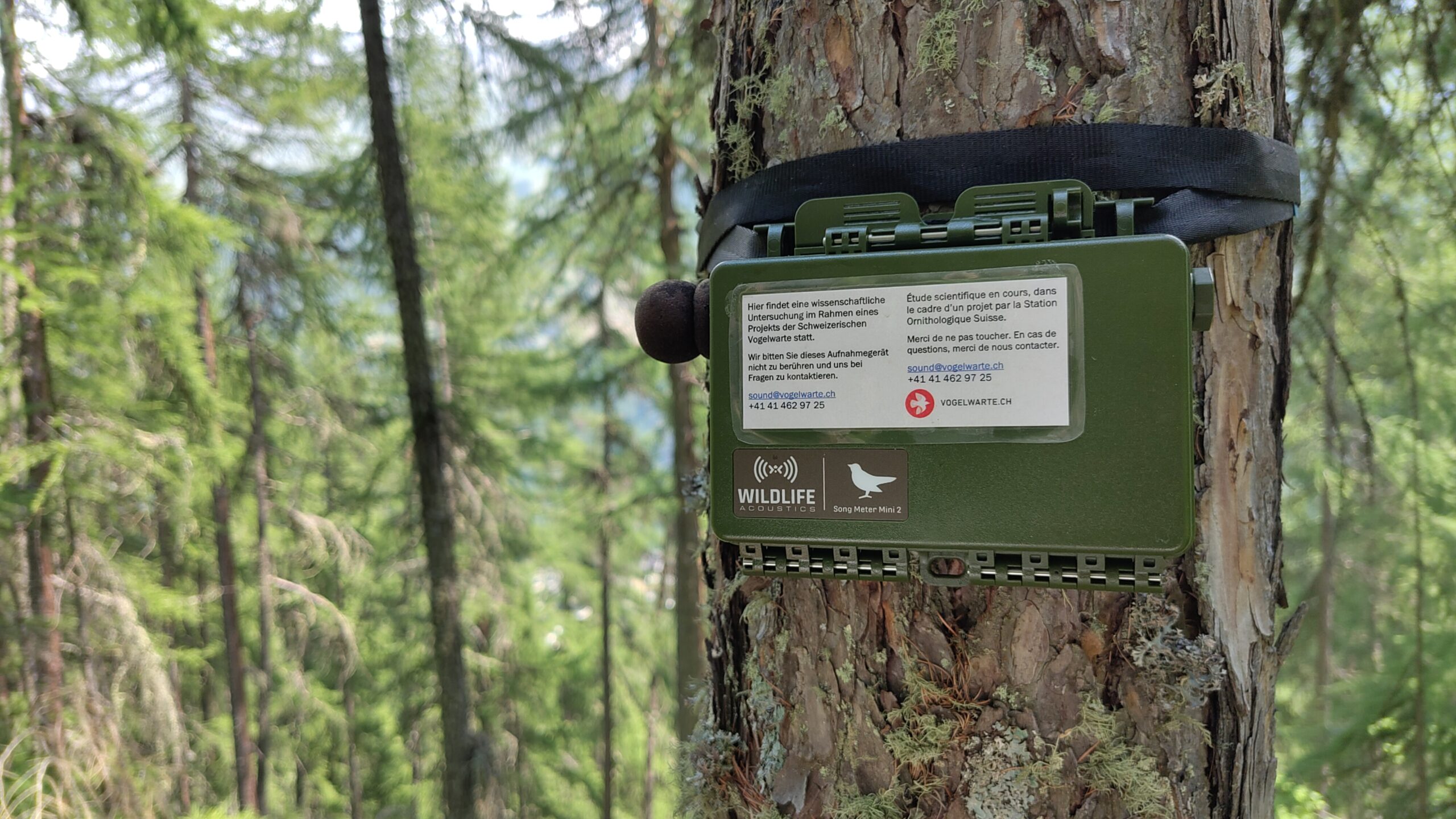
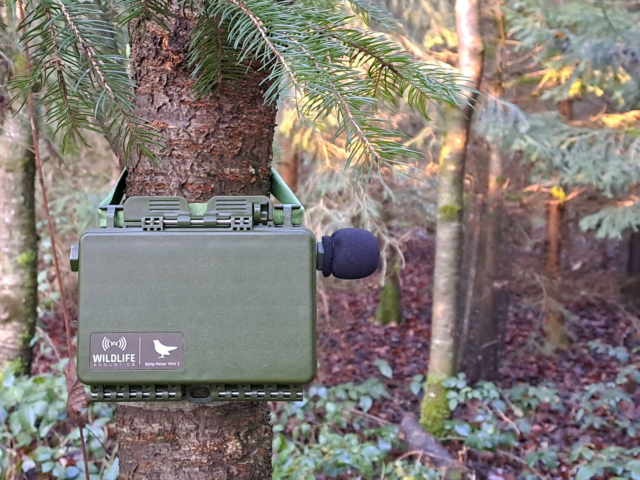
Acoustic Monitoring is especially useful to survey rare and elusive forest birds.
©
©
Thomas Sattler
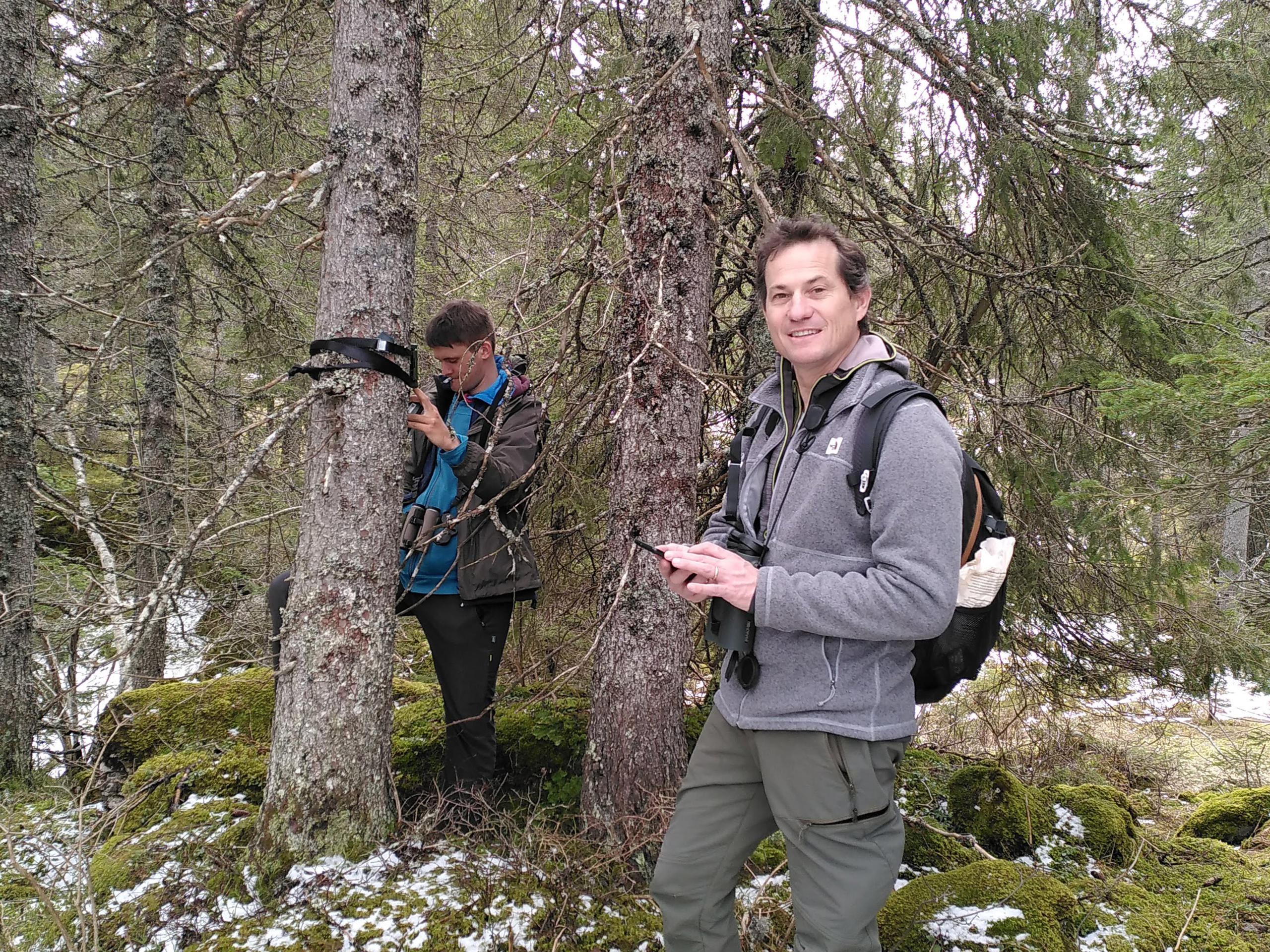
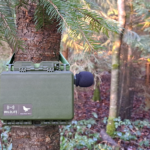
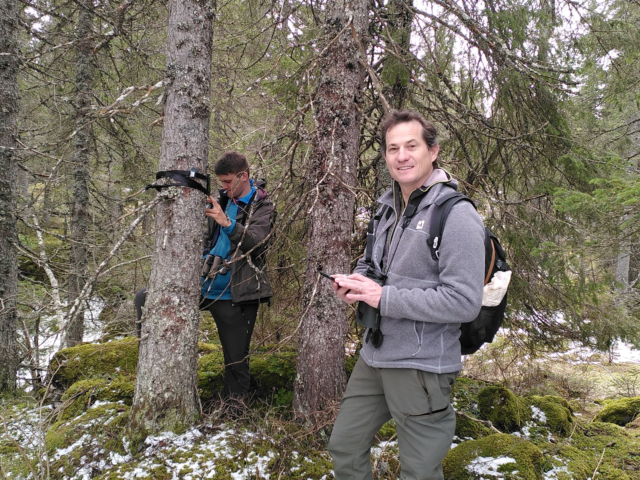
Two volunteers are installing an acoustic logger in Jura Mountains.
©
©
Tania Kornienko
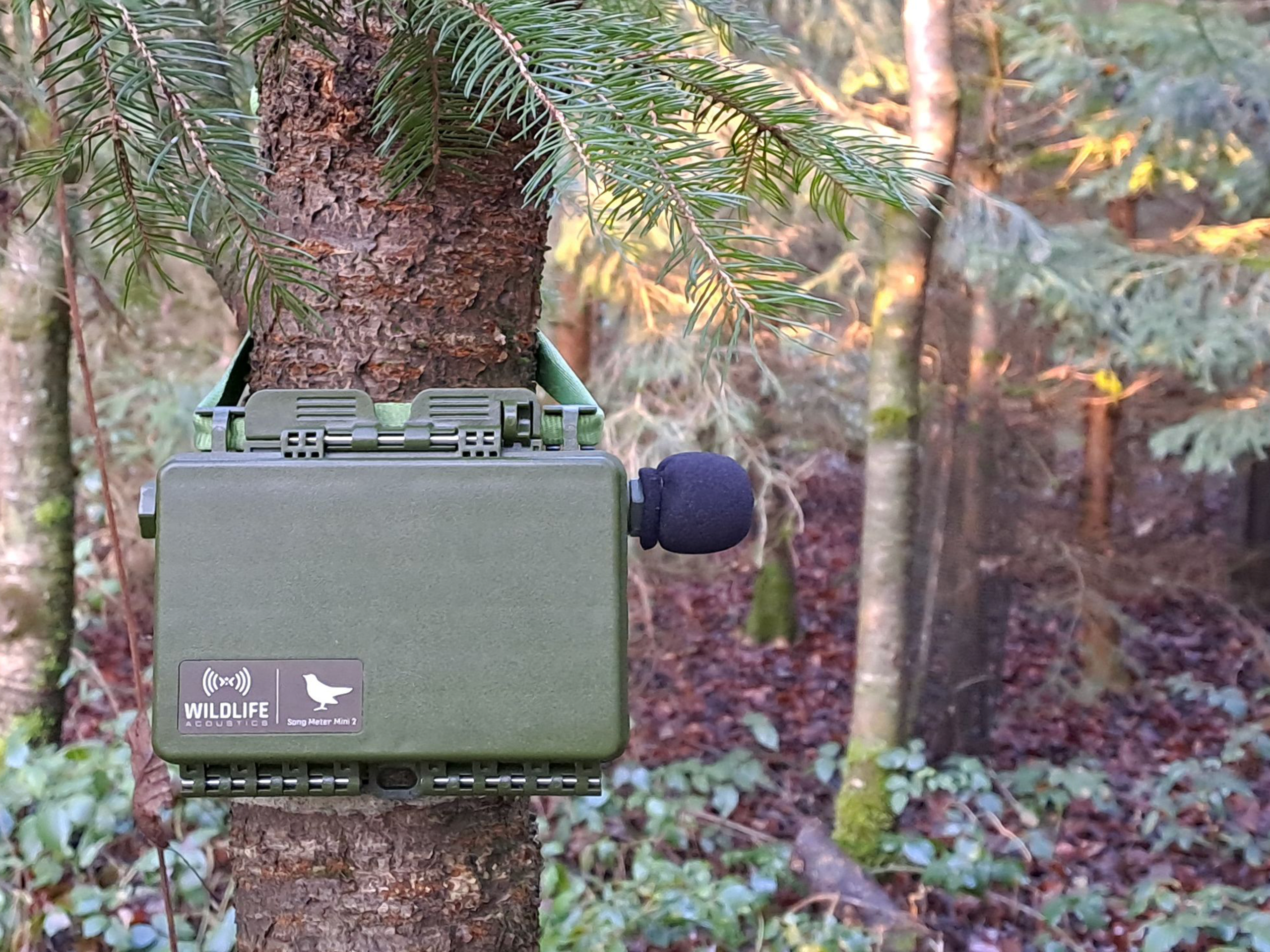
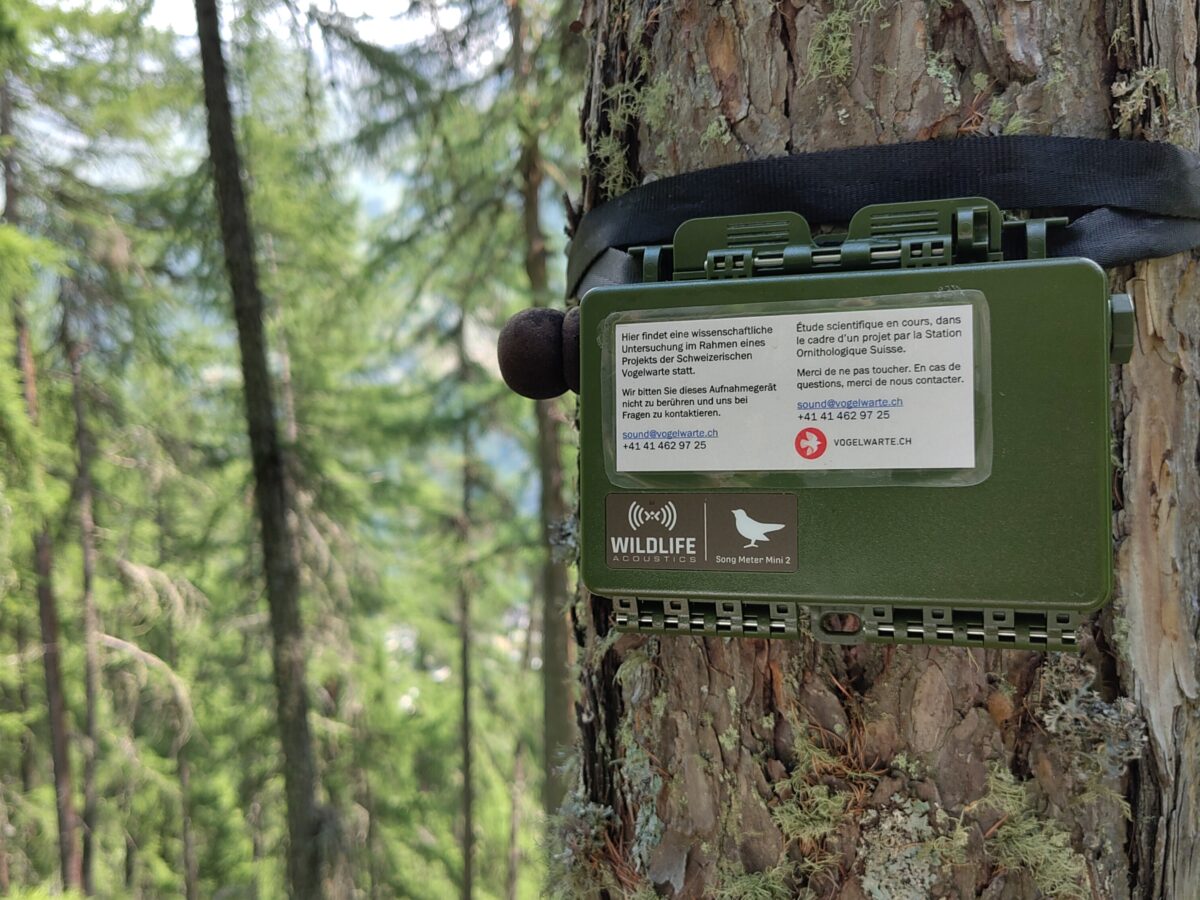
An acoustic logger can record autonomously for several months without further controls.
©
©
Sabrina Clément
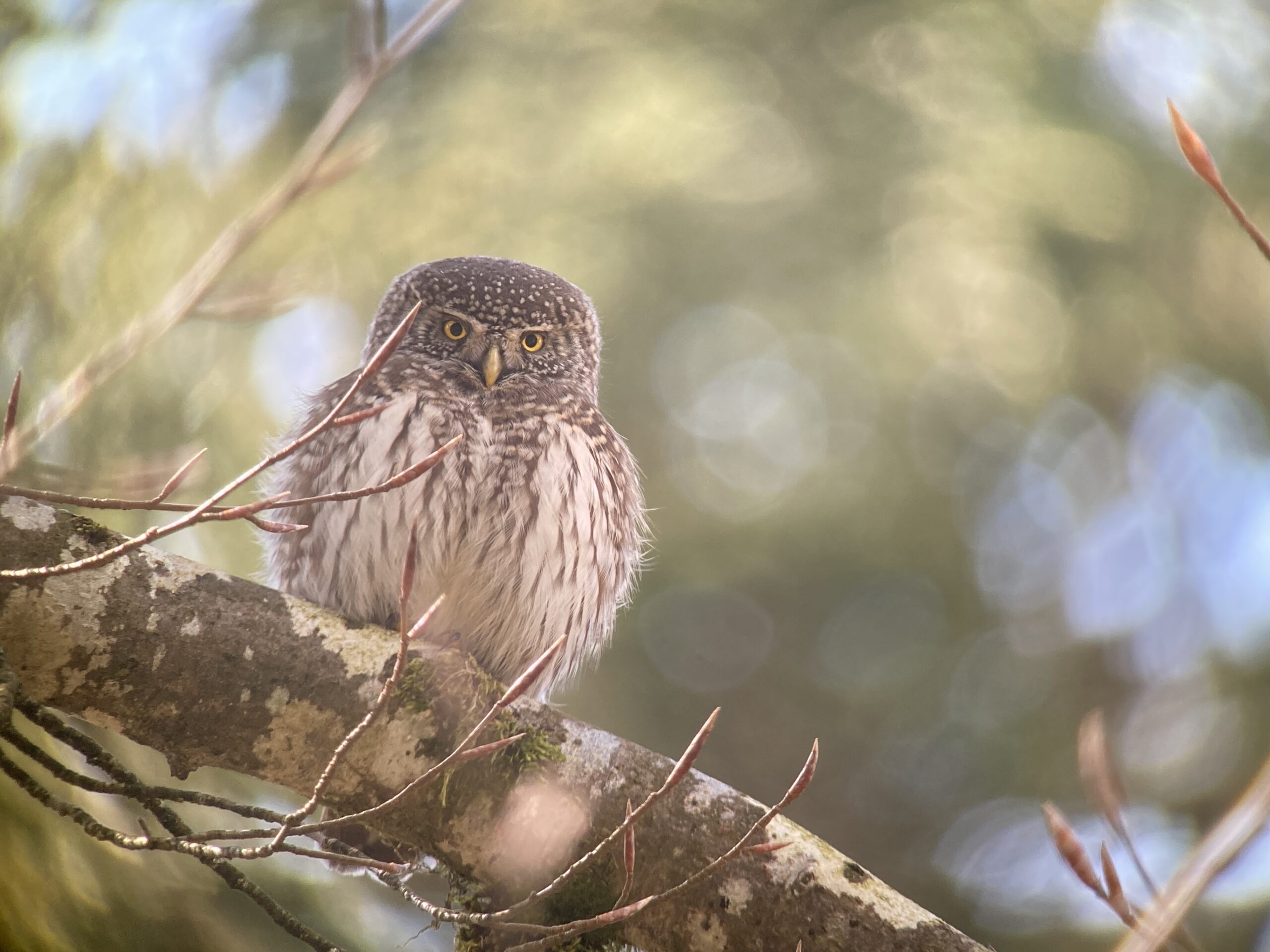
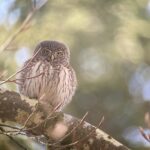
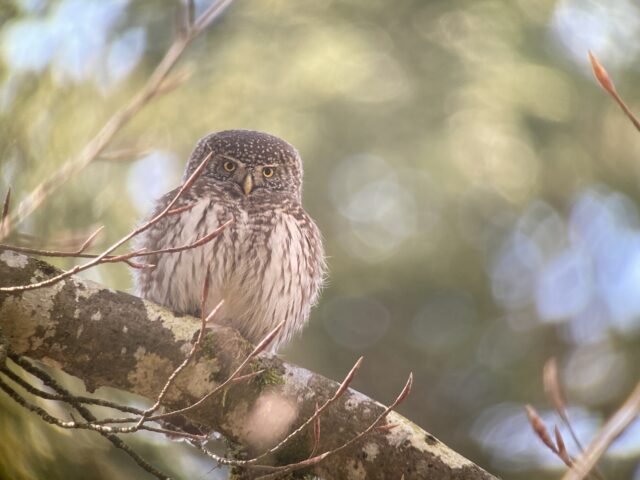
The Pygmy Owl – one of the target species in the Acoustic Monitoring of rare forest birds.
©
©
Ludovic Longchamp
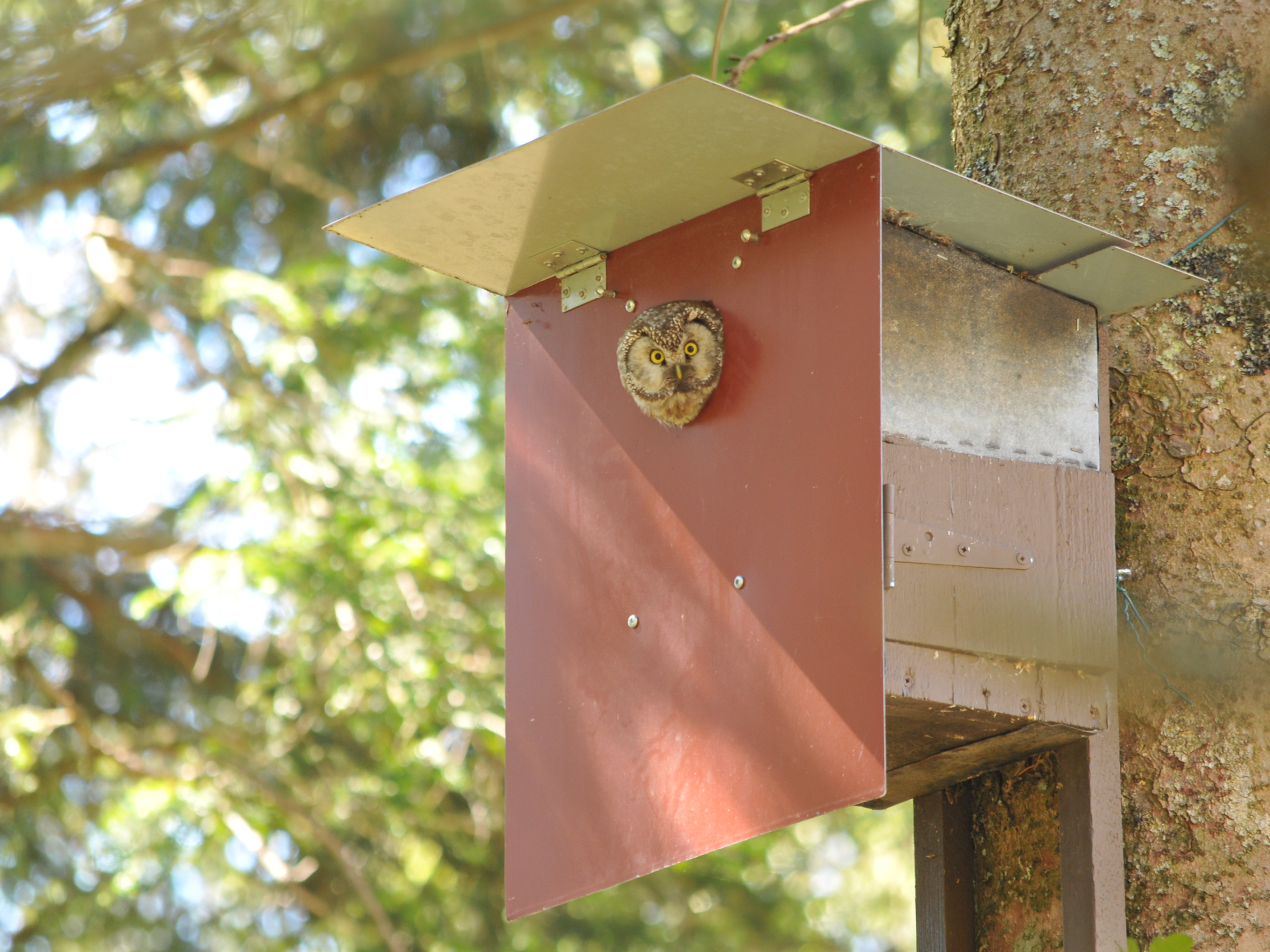
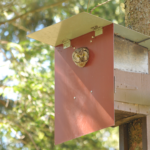
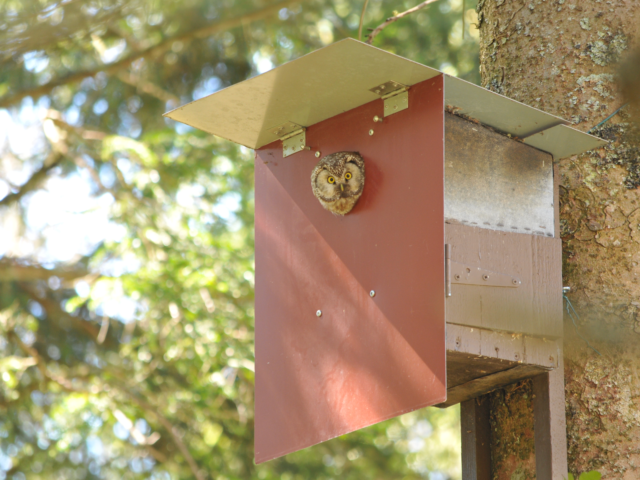
A Boreal Owl looking out of a dedicated nestbox of the ‘Groupe Ornithologique de Baulmes et Environs’ – another target species of the acoustic monitoring of rare forest birds.
©
©
Thomas Sattler
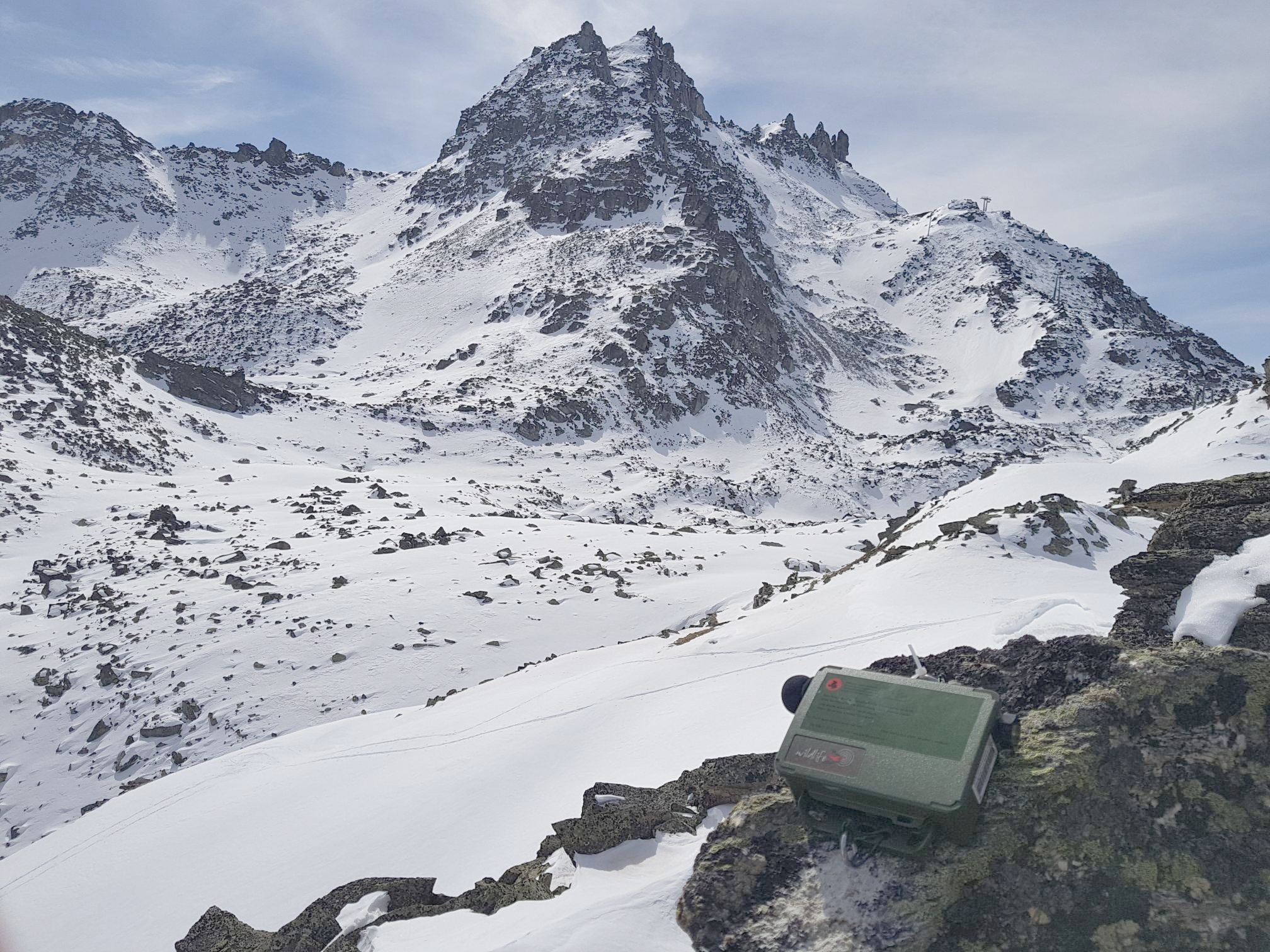
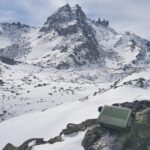
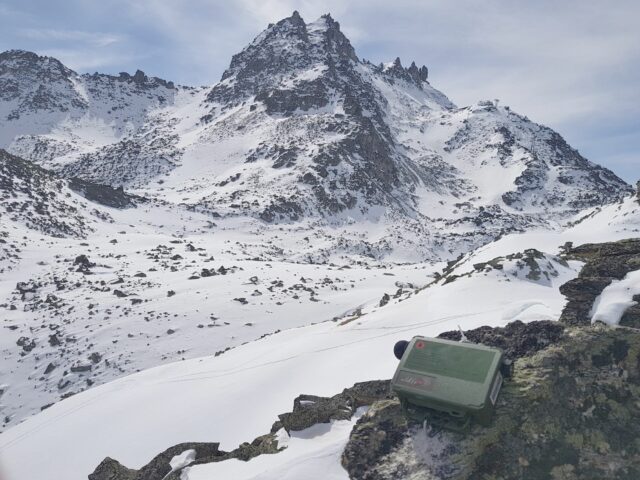
Acoustic recorders can also be used to survey Rock Ptarmigan above the tree line in Alpine habitats.
©
©
Thomas Sattler
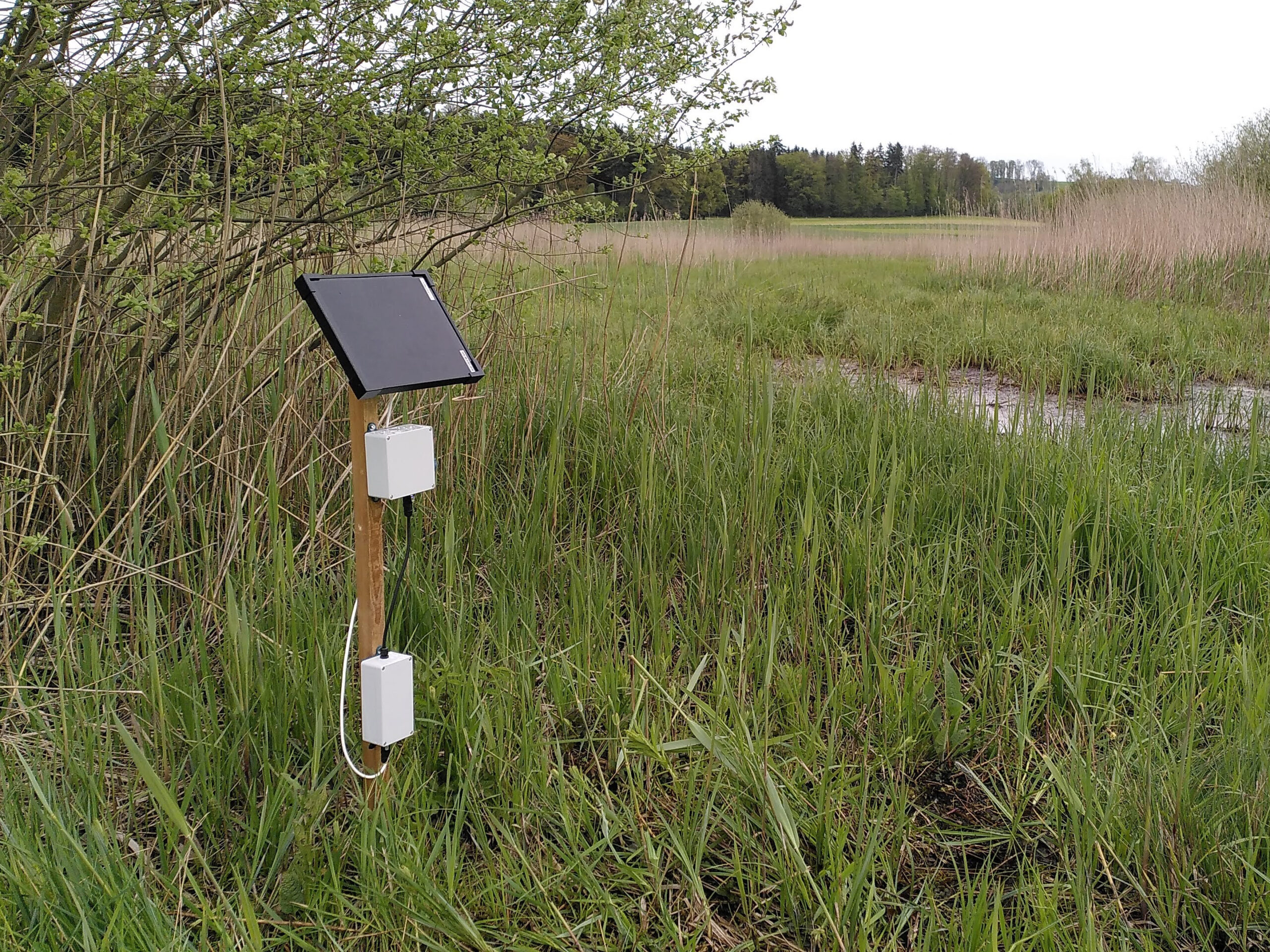
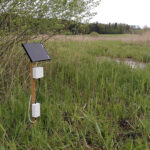
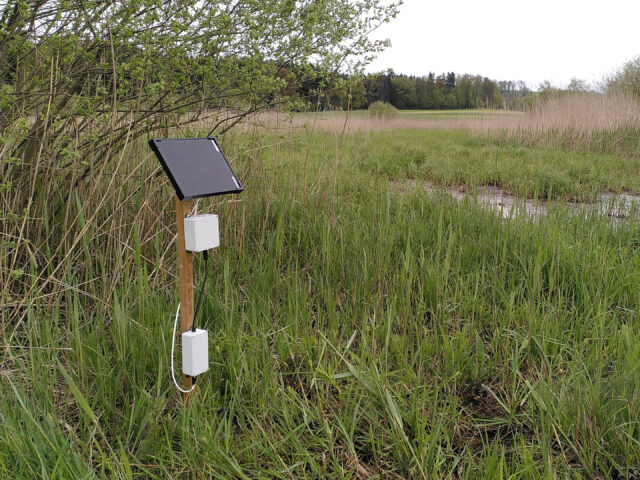
Using a recorder, it is also possible to monitor hard-to-reach areas of a wetland home to rare species such as rails.

©
©
Thomas Sattler
A close collaboration with the scientific IT is needed to manage and analyse the many hours of recordings from multiple locations.

©
© Thomas Sattler
©
©
Thomas Sattler
©
©
Tania Kornienko
©
©
Sabrina Clément
©
©
Ludovic Longchamp
©
©
Thomas Sattler
©
©
Thomas Sattler

©
©
Thomas Sattler
Acoustic Monitoring is especially useful to survey rare and elusive forest birds.
Two volunteers are installing an acoustic logger in Jura Mountains.
An acoustic logger can record autonomously for several months without further controls.
The Pygmy Owl – one of the target species in the Acoustic Monitoring of rare forest birds.
A Boreal Owl looking out of a dedicated nestbox of the ‘Groupe Ornithologique de Baulmes et Environs’ – another target species of the acoustic monitoring of rare forest birds.
Acoustic recorders can also be used to survey Rock Ptarmigan above the tree line in Alpine habitats.
Using a recorder, it is also possible to monitor hard-to-reach areas of a wetland home to rare species such as rails.
A close collaboration with the scientific IT is needed to manage and analyse the many hours of recordings from multiple locations.
Acoustics for monitoring of elusive species
Acoustic recorders reveal occurrence, population trends and breeding status of rare and cryptic species
Domain
Research
Unit
State of the Avifauna
Topics
Ecology, Population Development
Habitat
alpine habitats, forest, meadows and pastures, rocky terrain, wetlands
Project start
2020
Project completion
2031
Project status
ongoing
Project management
Thomas Sattler
Project region
Europe, Switzerland
Details
Project objectives
The project aims to improve nationwide monitoring of rare forest birds using passive acoustic monitoring (PAM). Main goals are to develop population indices for Eurasian Pygmy Owl and Boreal Owl and other elusive forest species as well as to identify breeding status from PAM recordings for owls and potentially further species. Additionally, we also aim at assessing whether PAM data can detect shifts in peak vocal activity and breeding phenology. Finally, we want to address costs, longterm implementation, and applications of PAM for atlas projects.
Methodology
The acoustic recorders are deployed in sample areas of the MHB (Monitoring of Common Breeding Birds) and Biodiversity Monitoring Switzerland with a sufficient proportion of forest cover (at least 35%). Each year, one recorder per MHB/BDM site records autonomously from February to June for four hours in the early morning and three hours in the evening. This extended recording period enables the detection of different species and their vocalisation types throughout the entire breeding season.
Significance
Although the distribution and population trends of many bird species in Switzerland are well known, gaps remain for certain rare and elusive (nocturnal) species, particularly those in remote mountain forests or active at the end of winter. Switzerland has a major responsibility for these species, as their populations are substantial due to large coverage of mountain forest in Central-Western Europe. For these species, PAM is expected to substantially improve baseline data on distribution and population changes. The value of data generated by PAM is substantially improved by differentiating between different call types that enable obtaining information about breeding status. From breeding status, we obtain selected demographic information such presence of a male, of a pair, breeding and hatching success by records of the chicks.
Results
First results show that the seasonal vocal activity of owls depends on beech fructification in autumn and the corresponding prey availability (rodents), winter severity, the onset of spring, shortterm weather conditions, as well as individual differences and the breeding status of the owls. There are also indications that climate change is leading to greater interannual variation in peak activity periods. Owing to its non-invasive nature (i.e. the absence of human disturbance) and extended recording period in the field, passive acoustic monitoring (PAM) is particularly well suited for obtaining consistent annual presenceabsence data.
Project partner(s)
- Volunteers at the Swiss Ornithological Institute
- Cantonal Offices for Forests, Nature and Landscape
- Forest owners and foresters
Employees



Employee of the regional office Valais
Jean-Nicolas Pradervand
+41 79 784 52 32
jean-nicolas.pradervand@vogelwarte.ch

Species concerned


Unit
State of the Avifauna
We analyse and assess the status and trends of bird populations in Switzerland.