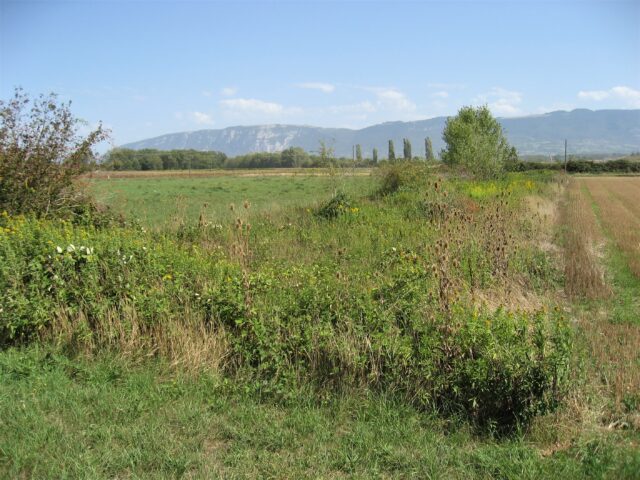


In the St. Gallen Rhine Valley (St. Galler Rheintal), the Swiss Ornithological Institute Sempach, together with locally based organisations and farmers, is testing various measures to promote biodiversity in cultivated land. Common Kestrels, Northern Lapwings, Common Stonechats, Marsh Warblers and Yellowhammers are to benefit from flower meadows and wildflower strips combined with shrub groups and borders along ditch banks or at the edge of farmland. The rich natural benefits of the St. Gallen Rhine Valley are being interconnected and secured in the long term.
©
© Pro Riet Rheintal
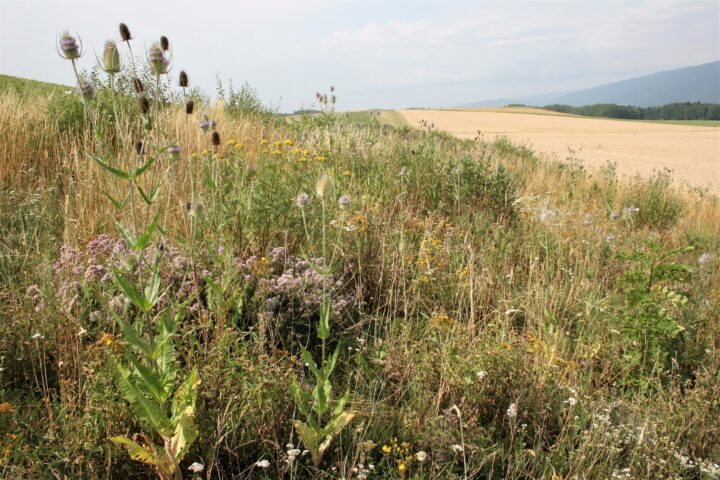
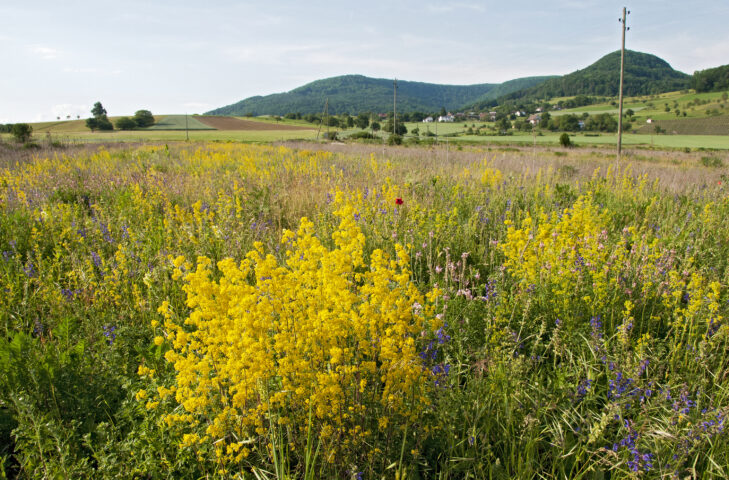
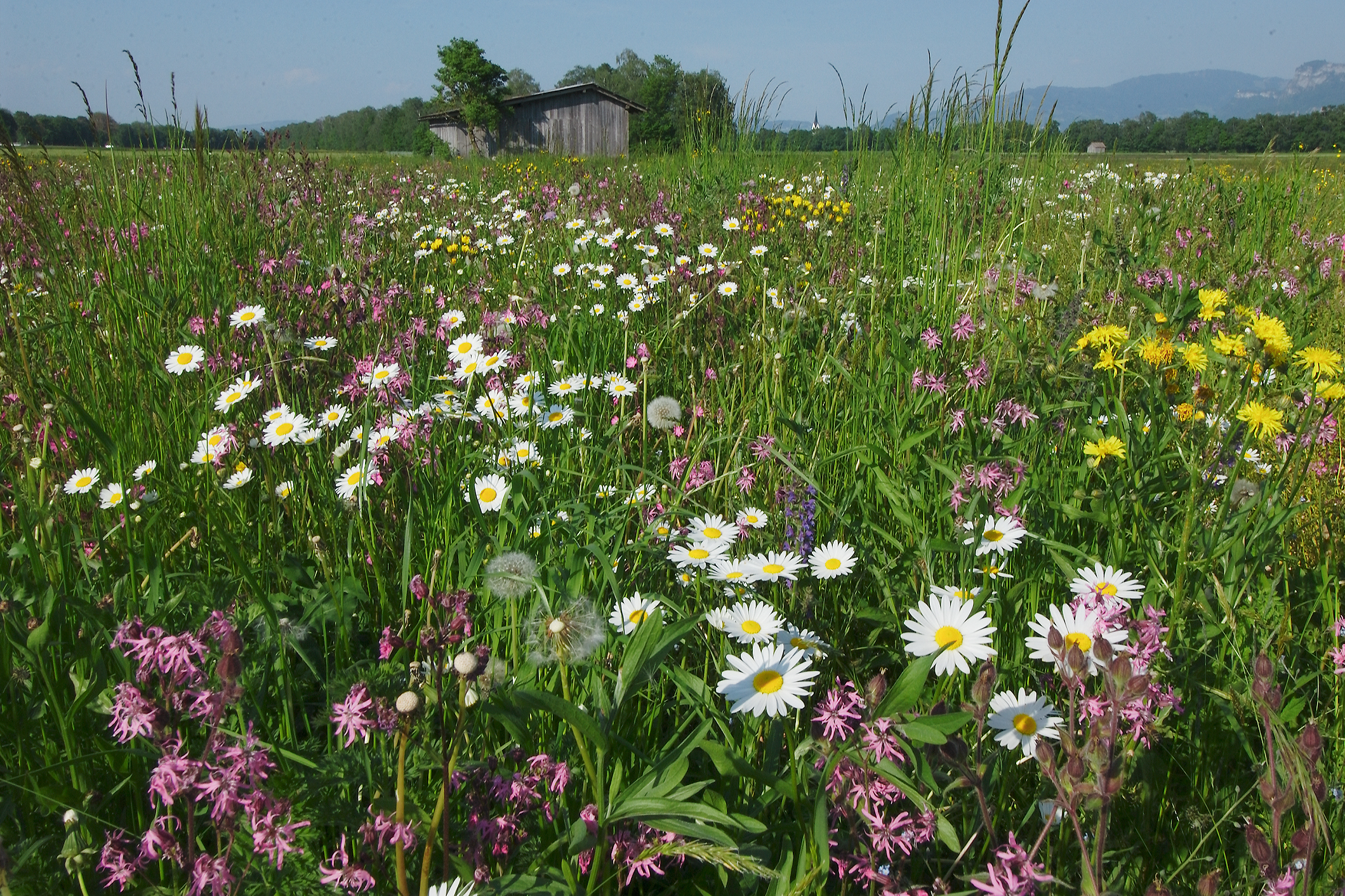
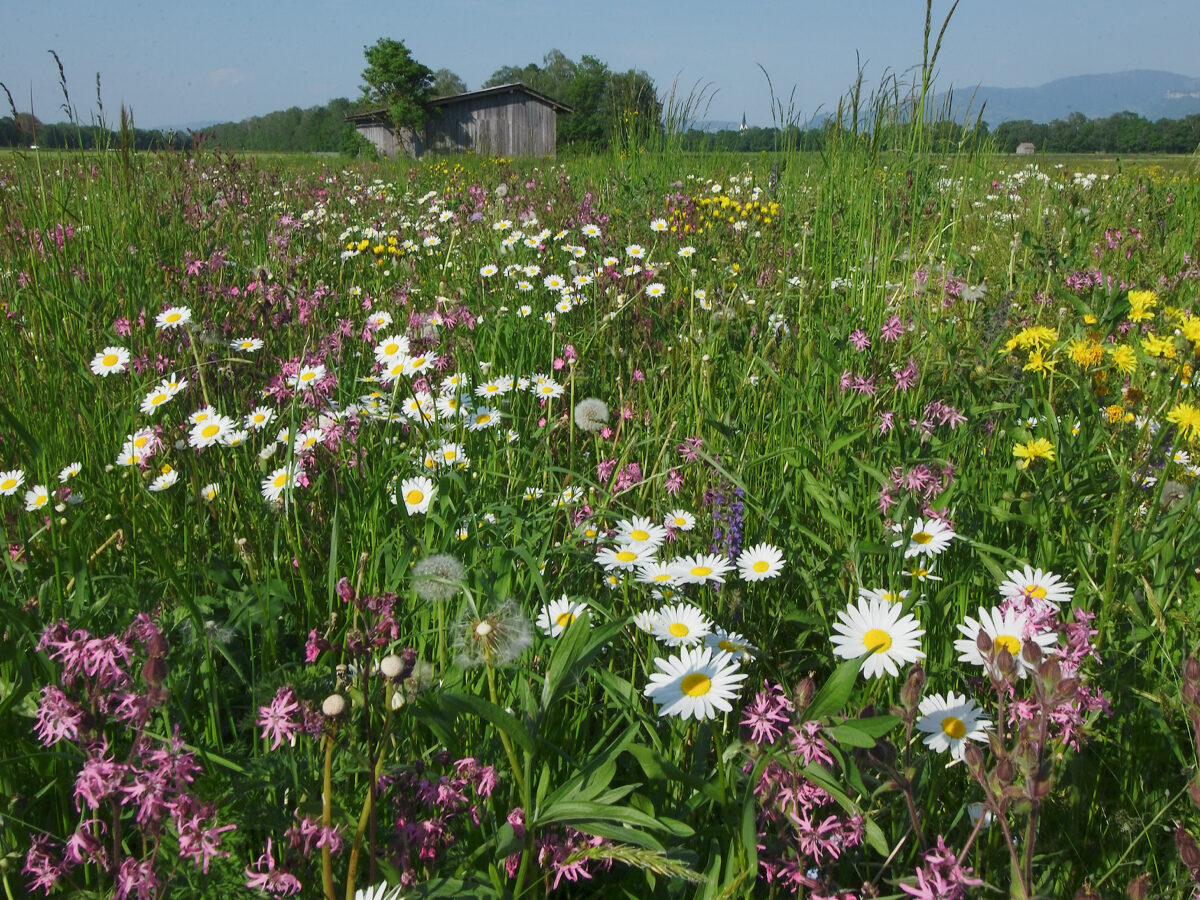
Rhine Valley flower meadow – a regional seed mixture specially developed for the project.

©
©
Pro Riet Rheintal
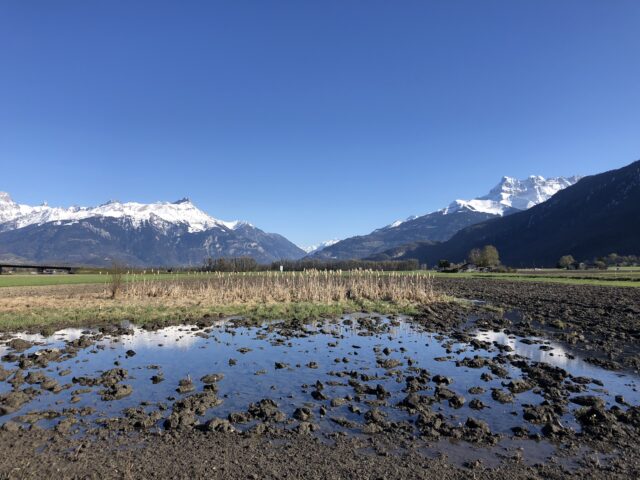
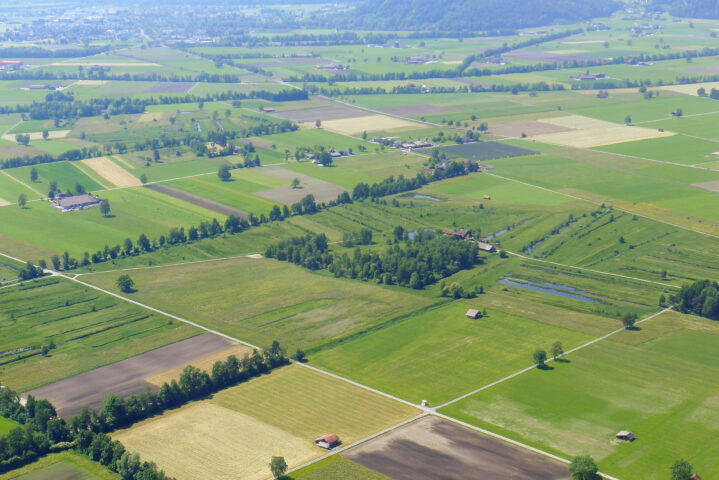
Overview of the Rhine Valley plain with the Bannriet and Spitzmäder nature reserves at the centre.

©
©
Marcel Burkhardt
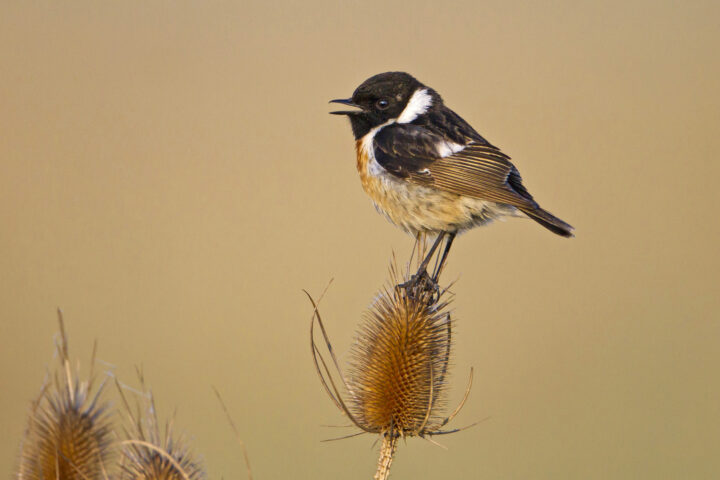
The Common Stonechat (Saxicolea rubicola) breeds on the ground on fallow land where there are a few groups of shrubs or bushes; it benefits from the generous establishment of wildflower strips in cultivated land.

©
©
Pro Riet Rheintal
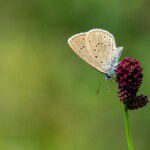
The Scarce Large Blue (Phengaris teleius) lives in flower-rich wet meadows and is dependent on the presence of great burnet (Sanguisorba officinalis) and the host ants. These in turn need borders that are cultivated irregularly or not at all.

©
©
Pro Riet Rheintal
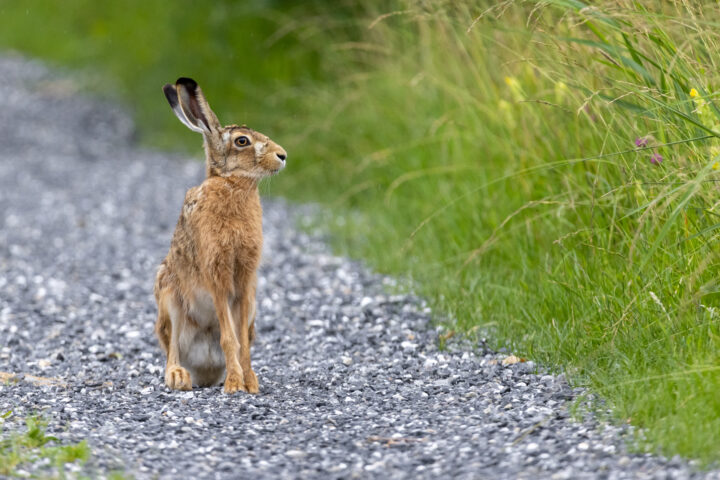
Wildlife-friendly agriculture with lots of high-quality biodiversity-rich areas also benefits the brown hare (Lepus europaeus).

©
© Pro Riet Rheintal
©
©
Pro Riet Rheintal
©
©
Marcel Burkhardt

©
©
Pro Riet Rheintal
©
©
Pro Riet Rheintal
Rhine Valley flower meadow – a regional seed mixture specially developed for the project.
Overview of the Rhine Valley plain with the Bannriet and Spitzmäder nature reserves at the centre.
The Common Stonechat (Saxicolea rubicola) breeds on the ground on fallow land where there are a few groups of shrubs or bushes; it benefits from the generous establishment of wildflower strips in cultivated land.
The Scarce Large Blue (Phengaris teleius) lives in flower-rich wet meadows and is dependent on the presence of great burnet (Sanguisorba officinalis) and the host ants. These in turn need borders that are cultivated irregularly or not at all.
Wildlife-friendly agriculture with lots of high-quality biodiversity-rich areas also benefits the brown hare (Lepus europaeus).
Habitat network St. Gallen Rhine Valley
Promotion of biodiversity in diversely used cultivated land (grassland and arable farming)
Domain
Conservation
Unit
Regional Offices
Topics
Species Recovery, Habitat Promotion
Habitat
farmland, wetlands, meadows and pastures
Project start
1998
Project status
ongoing
Project management
Petra Horch
Project region
St Gallen
Employees

Species concerned


Unit
Regional offices
Many of our projects are carried out from our regional offices: Regional office Valais (Sion), Regional office Ticino (Contone), Regional office Grisons (Chur), Regional office northeastern Switzerland (Schaffhausen) and Regional office Romandie (Yverdon-les-Bains). Together with partners and volunteers, they take care of habitat improvement projects and impact monitoring, as well as applied research issues on a case-by-case basis.