


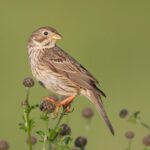
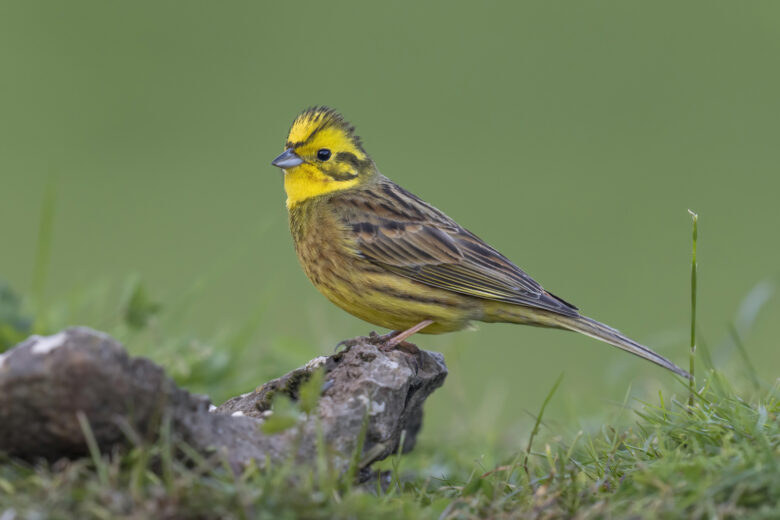
The Corn Bunting inhabits structurally diverse, extensively managed agricultural landscapes with bushes and individual trees that serve as singing perches. As a ground-nesting bird which makes its nest in relatively dense vegetation, it is reliant on late-used areas.
In Switzerland, its population has declined by around 80% since 1990. In 2021, it had to be classified as Critically Endangered. Today, between 216 and 236 pairs breed in a small number of mostly arable areas in Switzerland.
The Corn Bunting benefits from high-quality ecological compensation areas such as wildflower strips, margins on arable land, or extensively used meadows dotted with clusters of bushes that are left undisturbed during the breeding season.
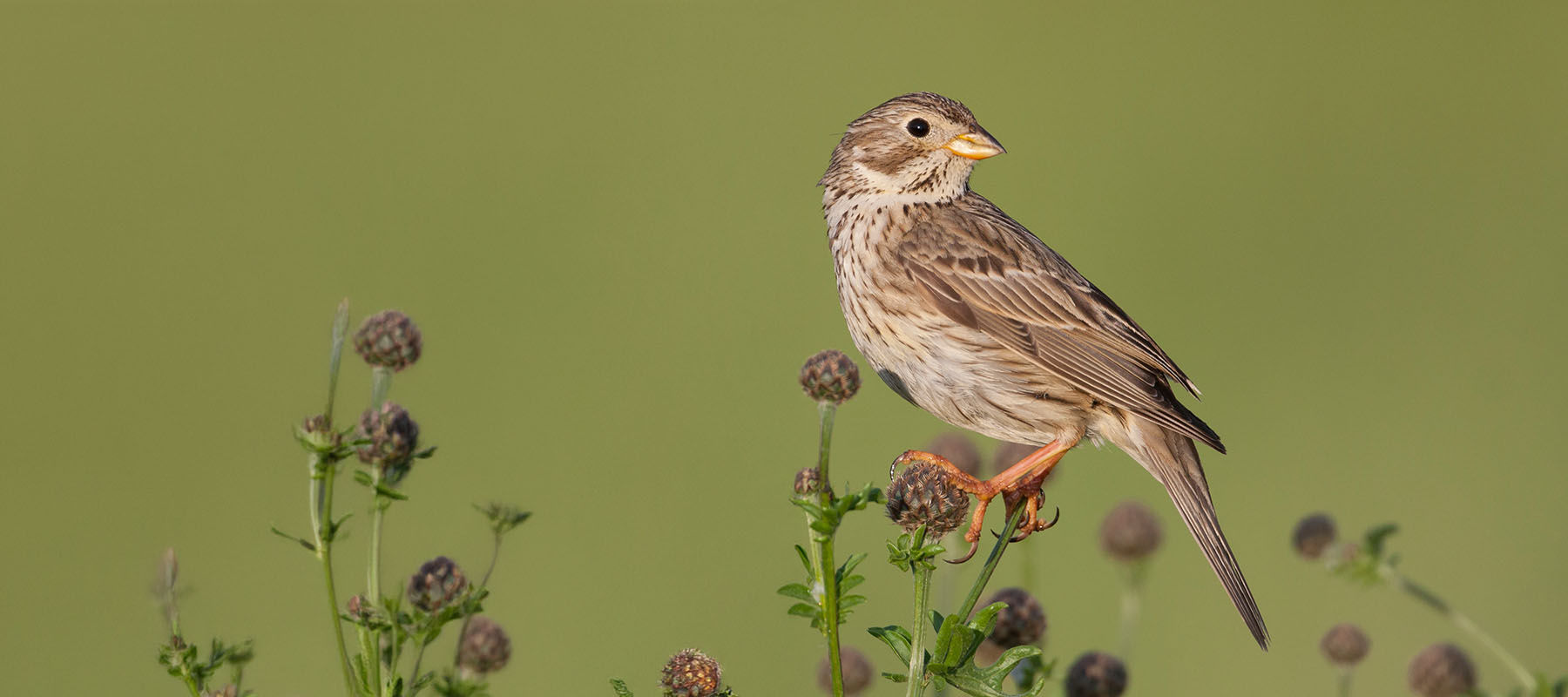
©
© Ralph Martin
Conservation programme for birds in Switzerland - Priority species
Corn Bunting
Distribution and development
Schematic distribution
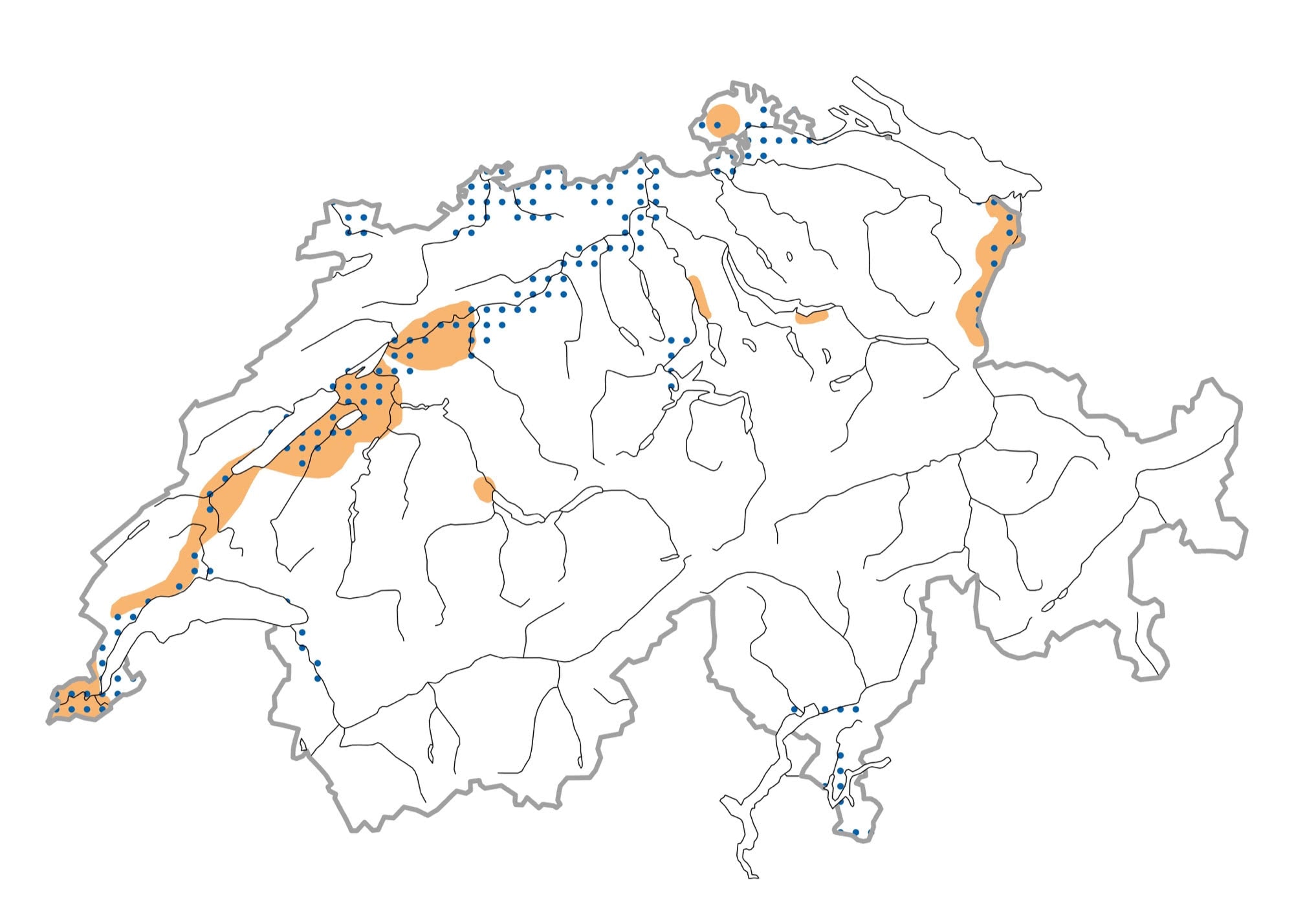
Schematic distribution during the breeding season (ochre), in winter time (dotted in blue) or during migration periods (dotted in vinaceous).
Breeding bird index
The graph shows the relative evolution of the breeding population in Switzerland (100 = mean value). Example: A value of 130 means that the population in the corresponding year was 30% above the mean value of the entire period considered.
Habitat and food
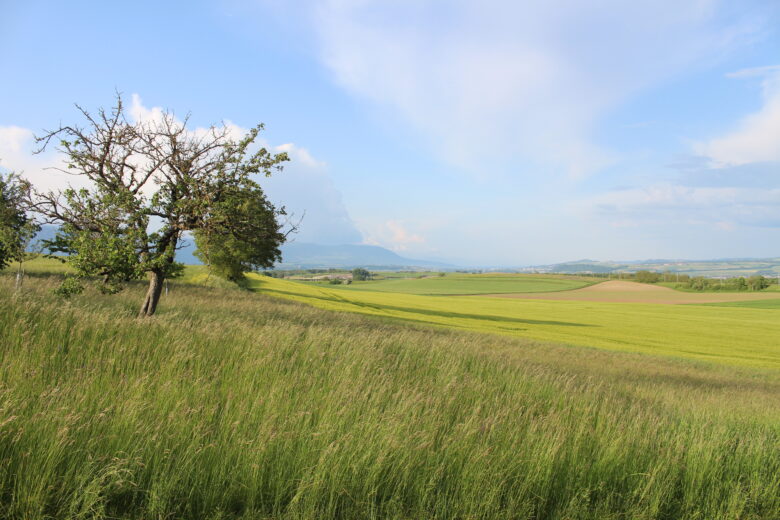
©
© Jérôme Duplain
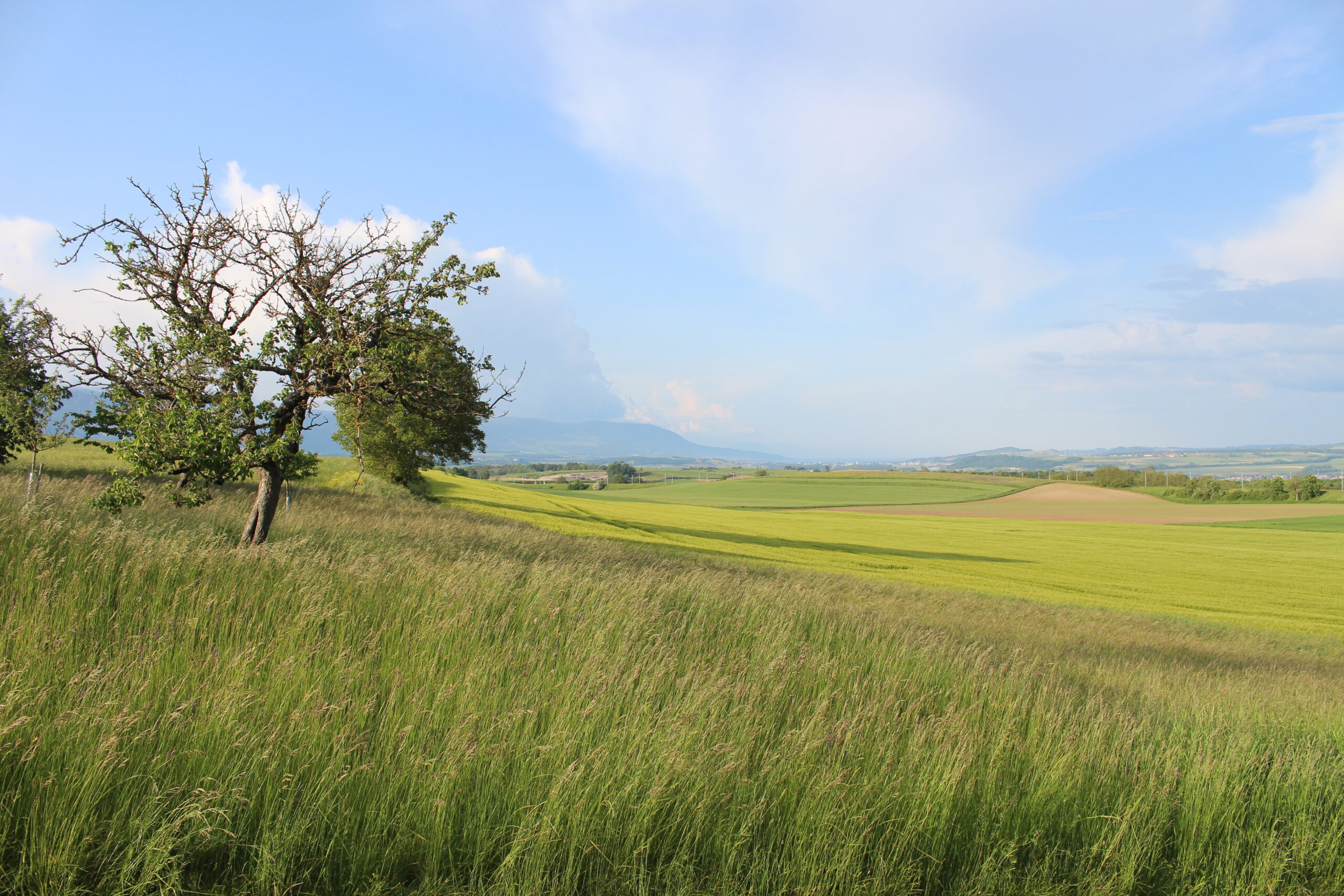
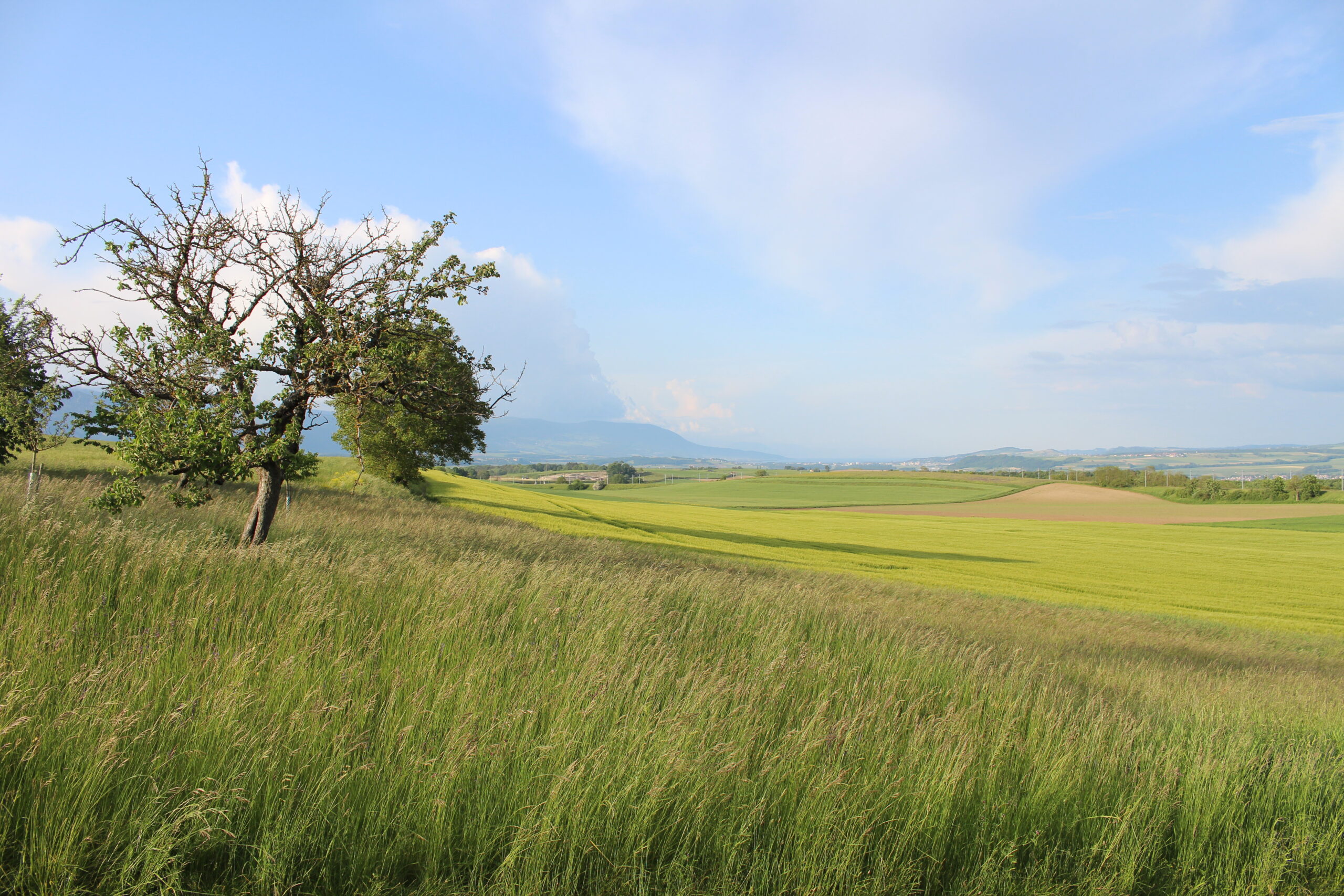
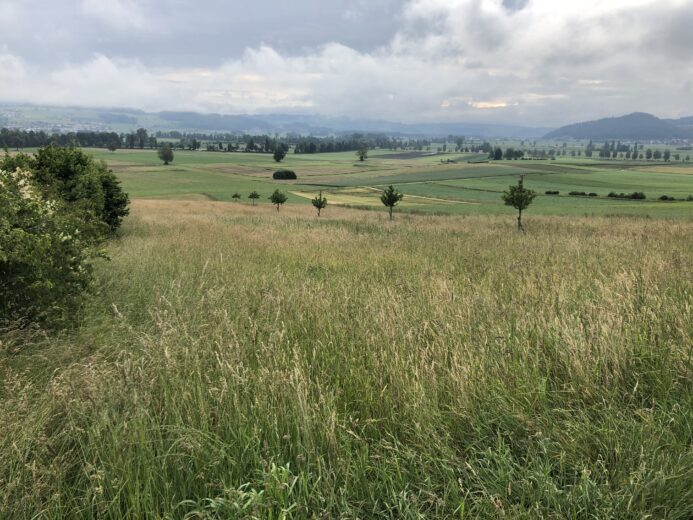
The Corn Bunting uses extensively managed meadows with isolated trees, like those on the Orbe plain, as its breeding habitat.
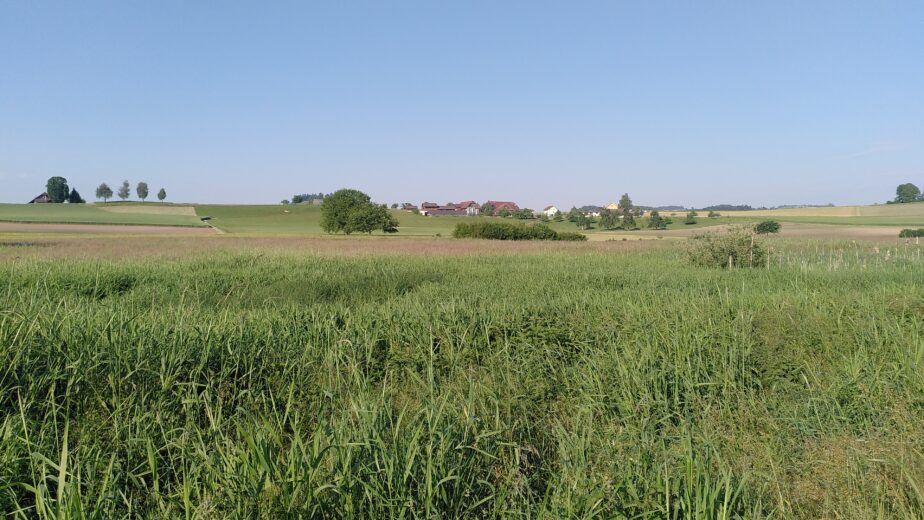
©
© Simon Hohl
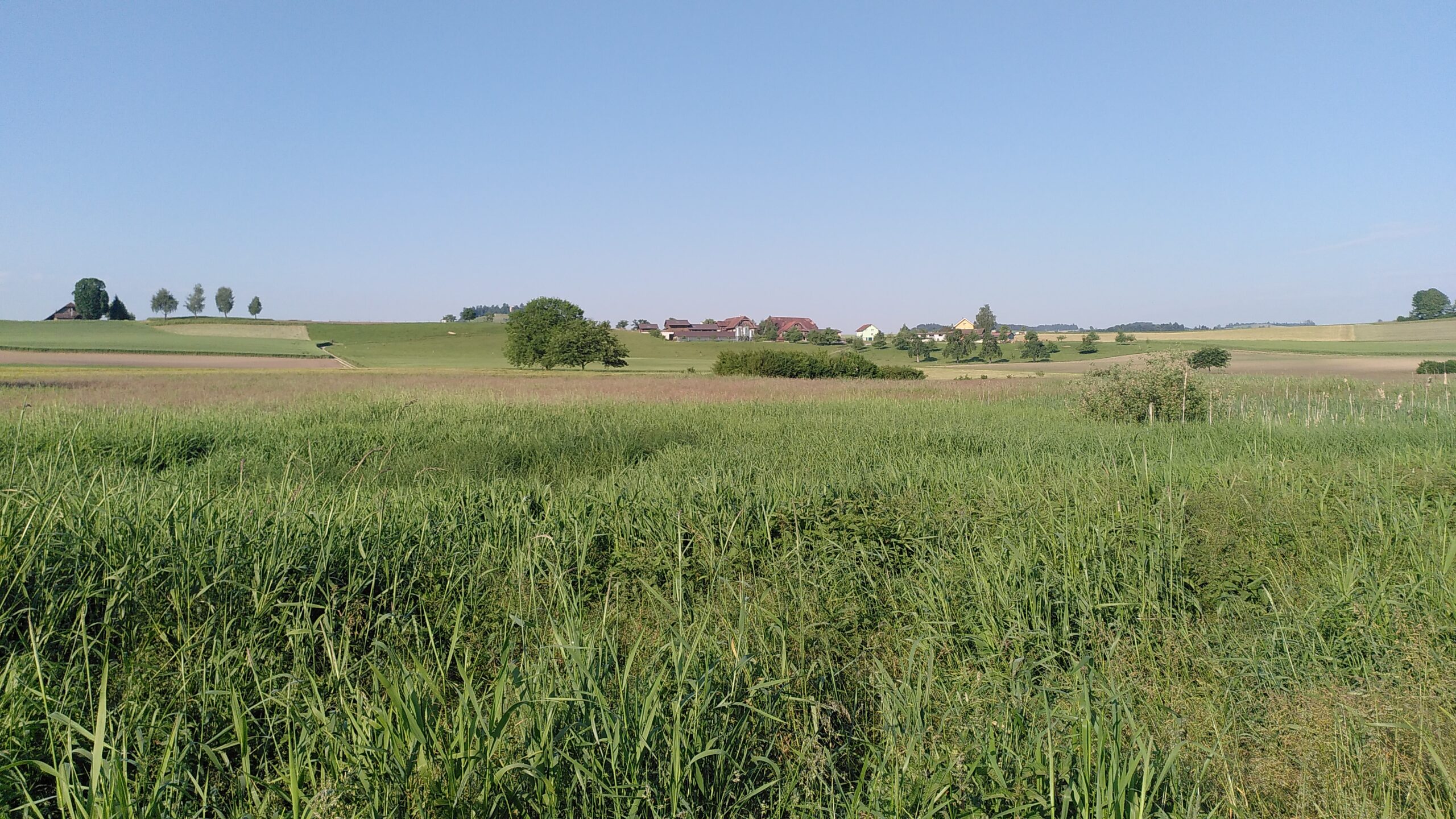
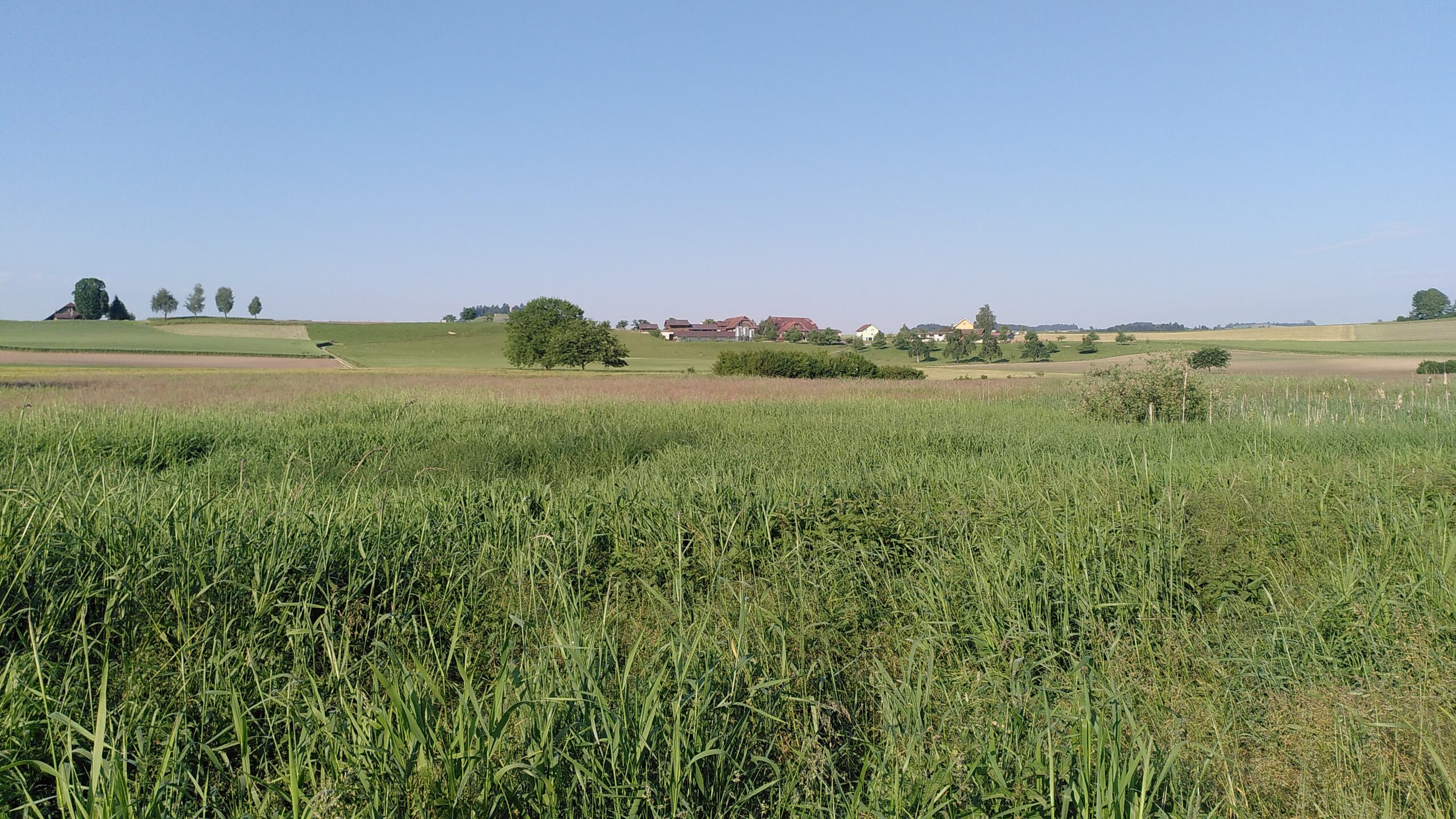
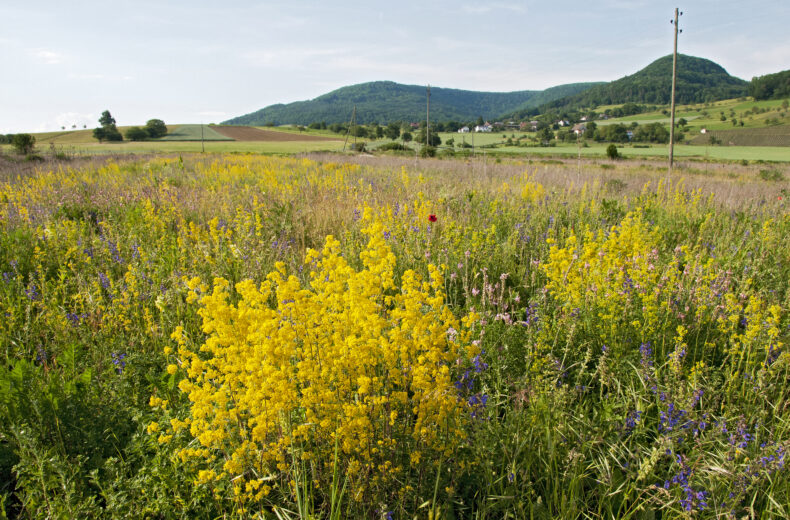
Extensively managed meadow with clusters of bushes in Wauwilermoos.
Conservation programme for birds in Switzerland - Priority species
Corn Bunting
The Corn Bunting inhabits structurally diverse, extensively managed agricultural landscapes with bushes and individual trees that serve as singing perches. As a ground-nesting bird which makes its nest in relatively dense vegetation, it is reliant on late-used areas.
In Switzerland, its population has declined by around 80% since 1990. In 2021, it had to be classified as Critically Endangered. Today, between 216 and 236 pairs breed in a small number of mostly arable areas in Switzerland.
The Corn Bunting benefits from high-quality ecological compensation areas such as wildflower strips, margins on arable land, or extensively used meadows dotted with clusters of bushes that are left undisturbed during the breeding season.
In Switzerland, its population has declined by around 80% since 1990. In 2021, it had to be classified as Critically Endangered. Today, between 216 and 236 pairs breed in a small number of mostly arable areas in Switzerland.
The Corn Bunting benefits from high-quality ecological compensation areas such as wildflower strips, margins on arable land, or extensively used meadows dotted with clusters of bushes that are left undisturbed during the breeding season.
Birds of Switzerland
Corn Bunting
To the species profile in the bird database
Project managers


Threats, activities and forecasts
Limiting factors and threats
One of the main reasons for the sharp decline of the species in Switzerland is the intensification of agriculture. Many nests are destroyed due to early and increasingly frequent mowing. There are also insufficient structurally diverse, insect-rich, extensively used meadows and pastures and wildflower strips.
Breeding season
- Requires areas of dense ground cover which are left undisturbed for at least six weeks for nesting.
- Extensively (and sometimes intensively) managed meadows are attractive breeding habitats. However, breeding is successful only where there is no mowing until the young have fledged.
- Good supply of food.
Migration/ Winter
- The Corn Bunting is a partial migrant.
- Can also be seen in winter in certain regions of Switzerland.
- Local food supply and the severity of the winter probably influence migration behaviour.
Necessary activities
Monitoring
- Continue to monitor the most important populations.
- Record mating and breeding success to monitor the effectiveness of measures implemented.
Conservation
- High density of insect-rich and structurally diverse ecological compensation areas such as wildflower strips, field margins or extensively used meadows with clusters of bushes.
- No (or late) farming operations during the breeding season.
- Nest protection areas as an emergency measure for fragile populations.
Research
- Improve understanding of habitat requirements (quantity, quality, spatial arrangement of breeding habitat).
- Determine breeding success and possible causes of risk.
- Identification of other important factors limiting demographic parameters.
- Are Swiss populations self-sustaining? How much interaction is there between them?
Prospects for success and prognostics
- Population trend in Switzerland presumably depends on droughts during the breeding season in southern Europe, as in each case arrivals in Switzerland have been observed.
- Dependence of local populations on migration from abroad is unclear.
- Increase in high-quality, late-managed ecological compensation areas is likely to have a positive impact on Corn Bunting populations.
- Climate change is likely to affect the timing of both breeding and habitat management, as well as migrant arrivals.
Conservation measures and stakeholders

Create ecological compensation areas
Wildflower strips, field margins and extensively and late managed meadows and pastures allow undisturbed breeding and provide sufficient food supply.
Show more
Agriculture
Cantons
Municipalities

Promote extensive farming
Unfertilised meadows and avoiding pesticides or mulching promote the diversity of plants and insects and thus the quality of the habitat (nesting sites, food supply).
Show more
Agriculture
Cantons
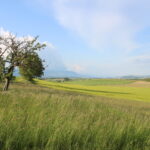
Promote late management / use
Large areas mown late are most effective in promoting local populations of ground-nesting birds.
Show more
Agriculture
Cantons
Municipalities
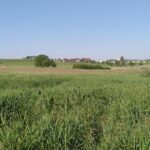
Create / increase crop diversity
Diversely cultivated landscapes with small plots provide habitats and feeding grounds for many bird species.
Show more
Agriculture
Cantons
Municipalities
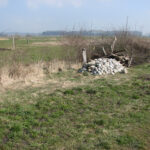
Promote small structures
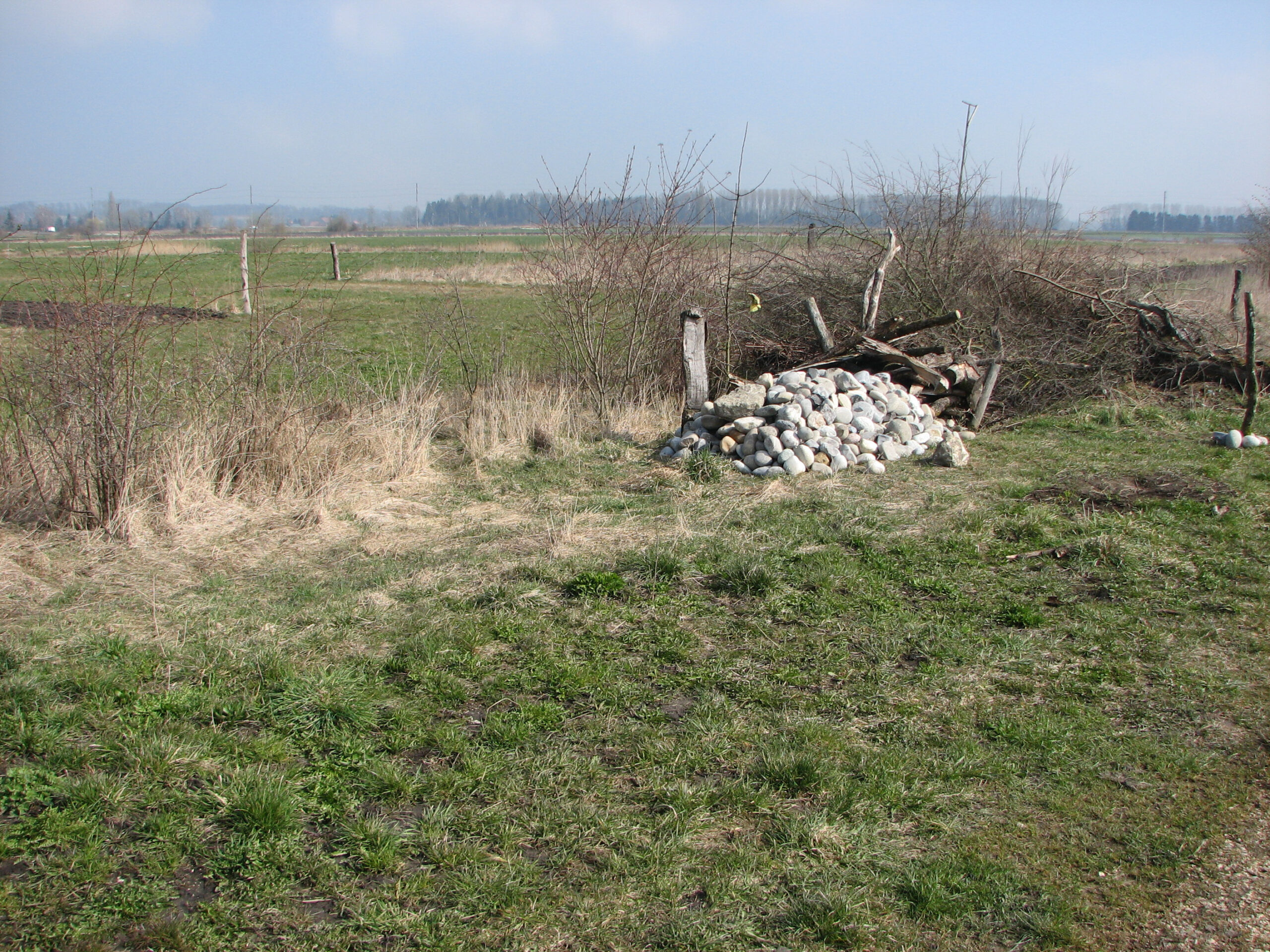
Small structures such as piles of branches or stones promote biodiversity.
Agriculture
Municipalities
Nature conservation
Private individuals


Publications

©
© Ralph Martin
Birds of Switzerland
Corn Bunting
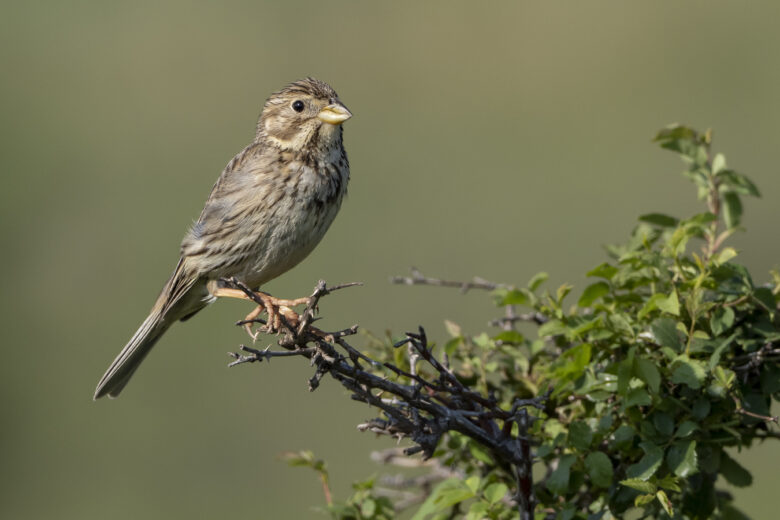
The finch-size Corn Bunting is a plain bird. It is, however, larger than other buntings but of an inconspicuous colour similar to that of a lark without a breeding plumage that is recognisable in the field. Its song is rather monotonous. It appears squat and often dangles its legs during short flights. In Switzerland, this bird of the steppes occurs in wide, open and diversified farm...
To the species profile in the bird database


