

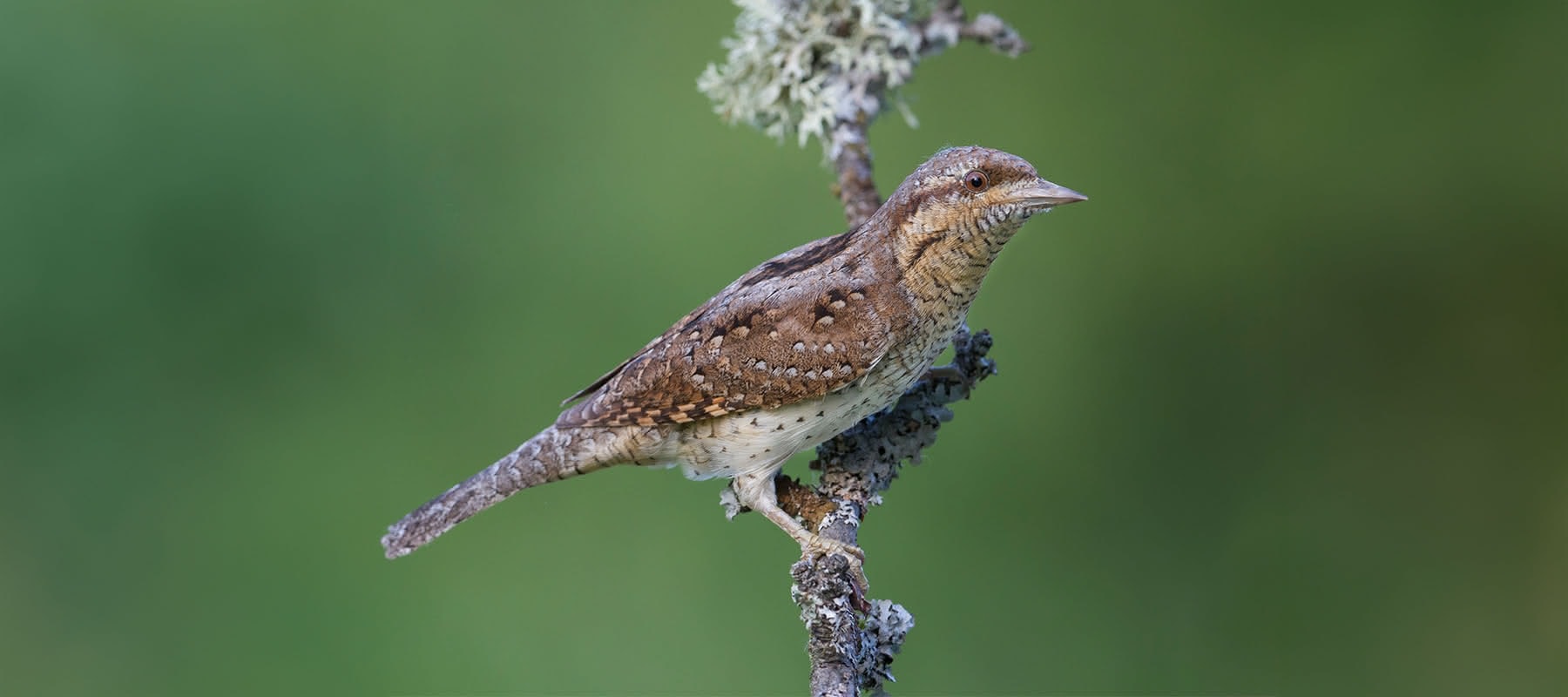
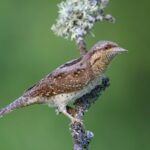
Eurasian Wryneck
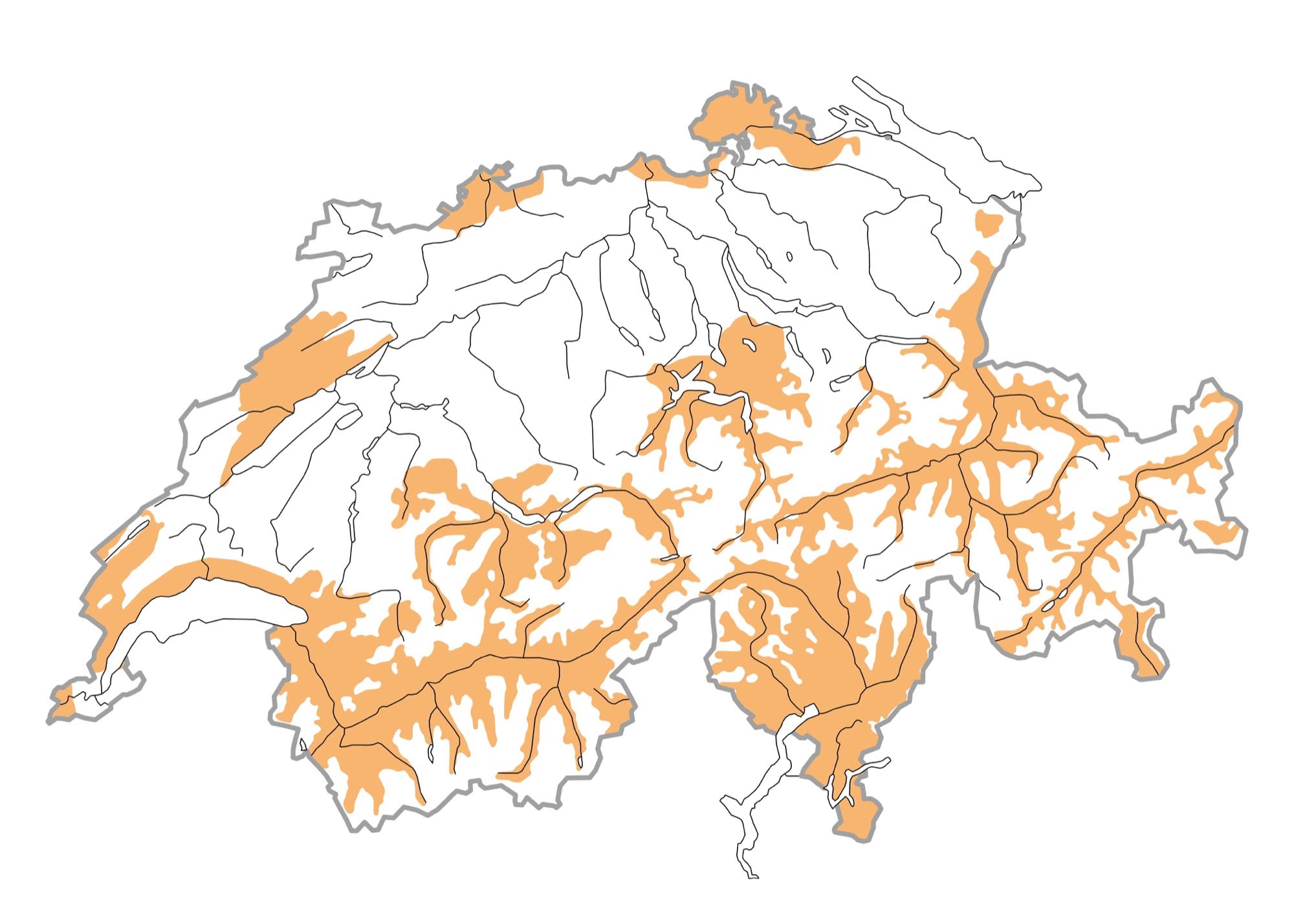
Distribution and development
Habitat and food
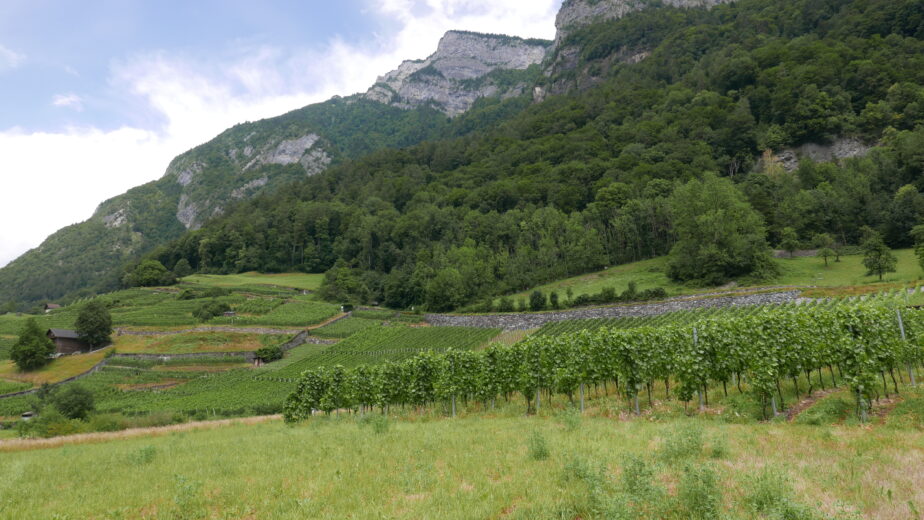
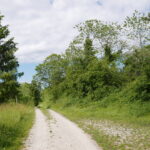
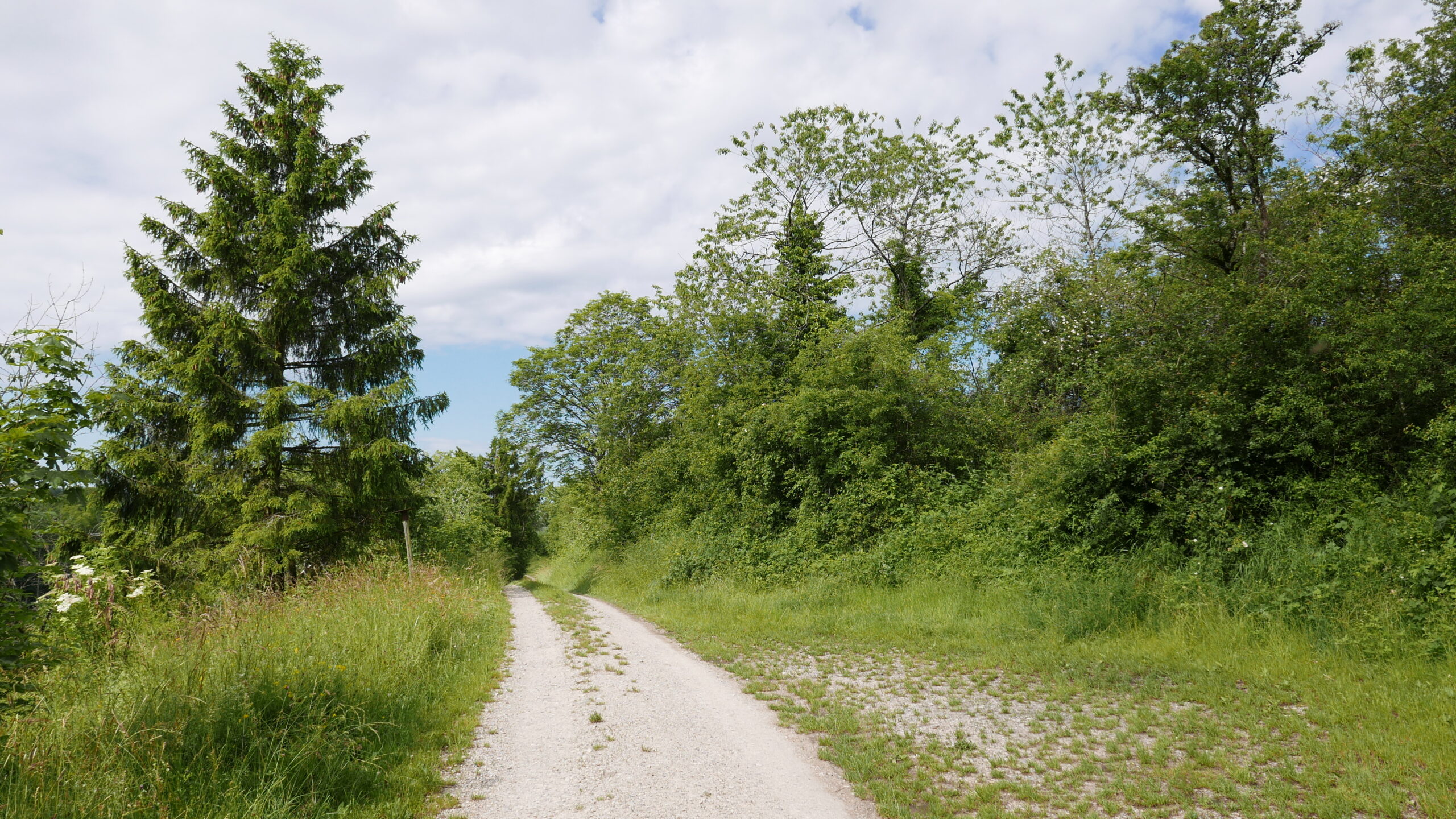
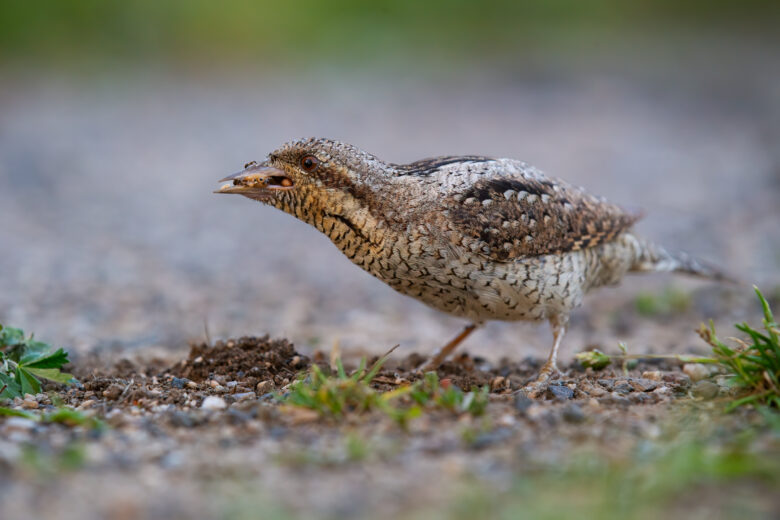
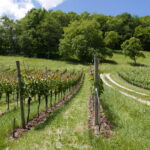
In vineyards, a high density of ants, which are easily accessible thanks to patchy vegetation (e.g. also at the edges of paths), is important.
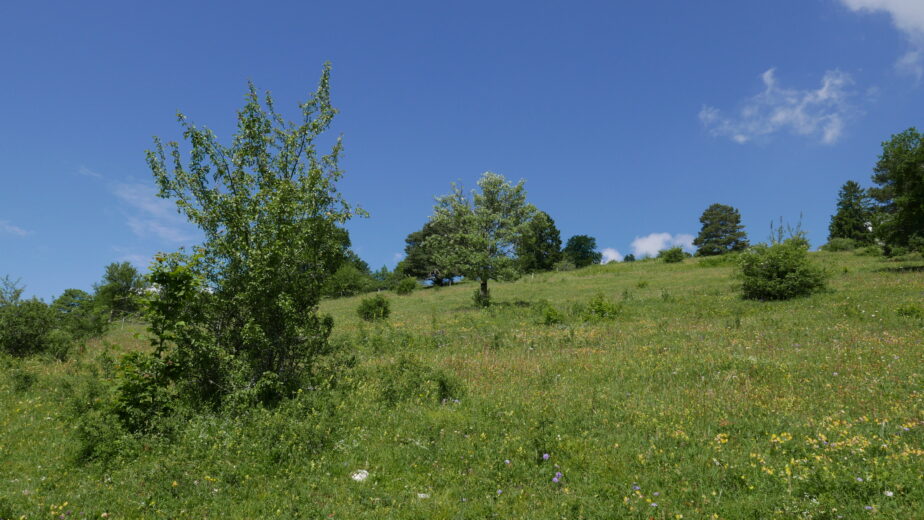
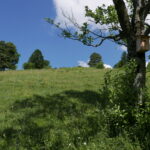
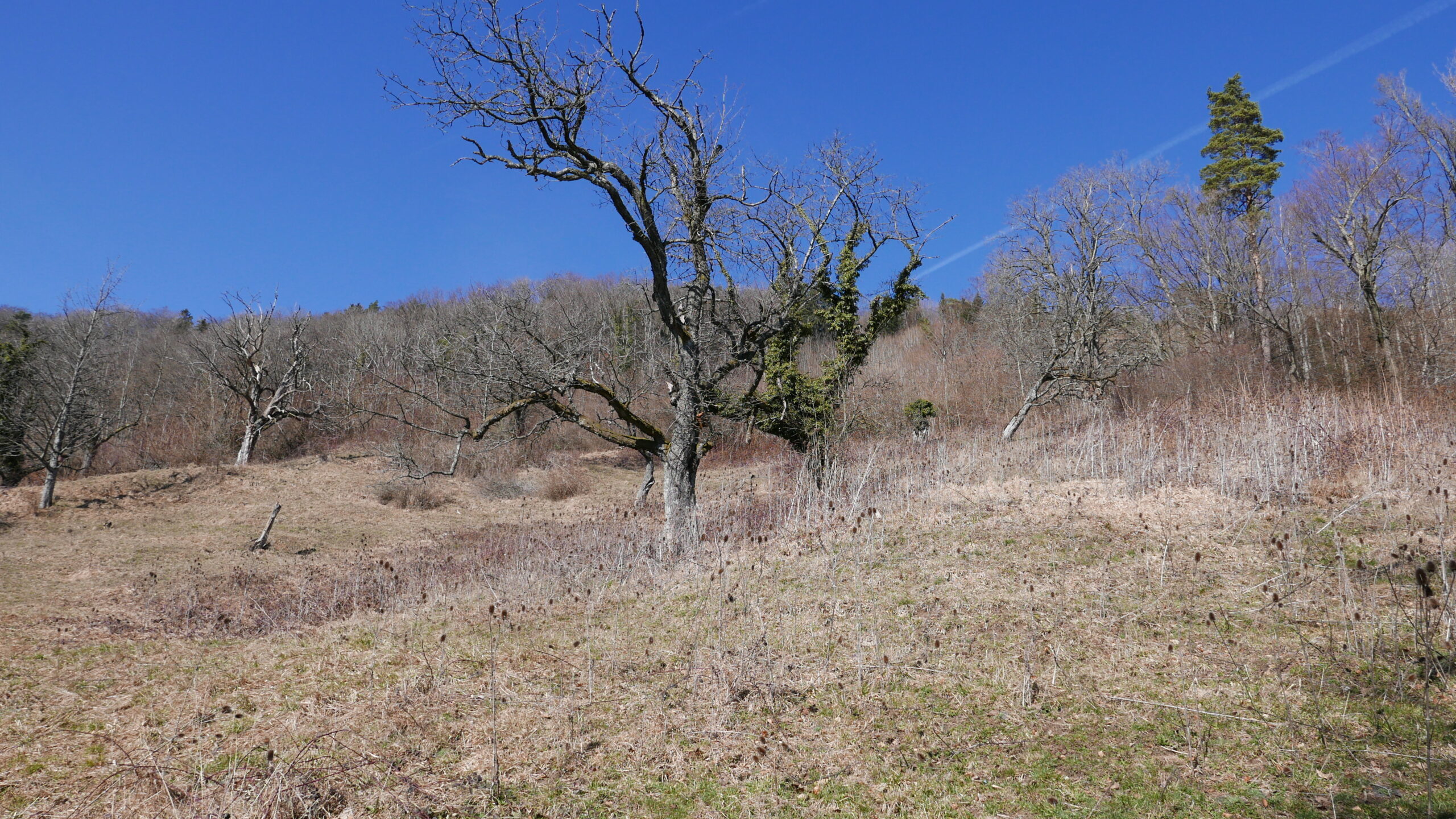
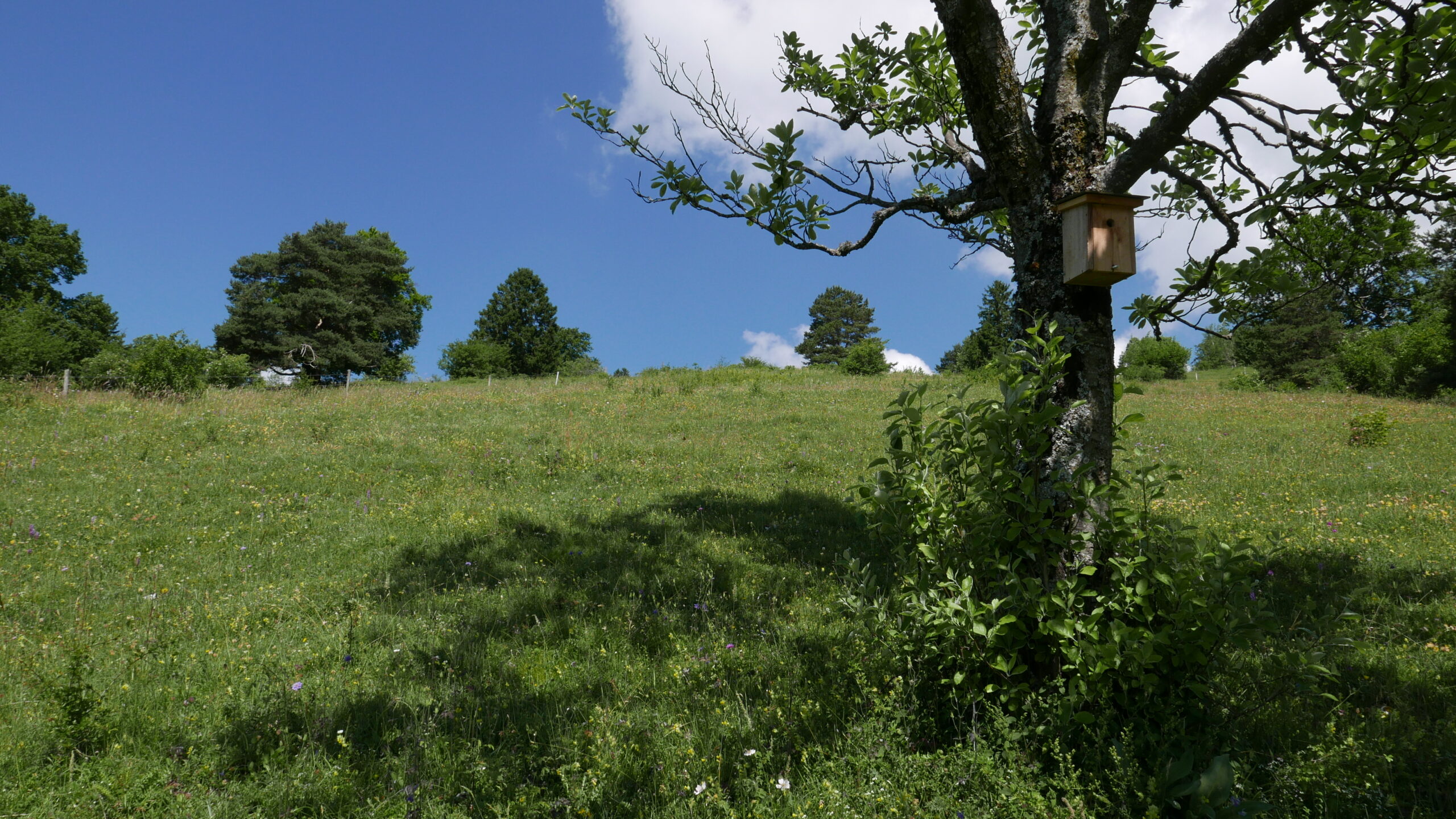
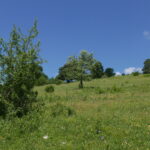
The Eurasian Wryneck inhabits a variety of semi-open habitats. It prefers sites with favourable climates, such as south-facing slopes.
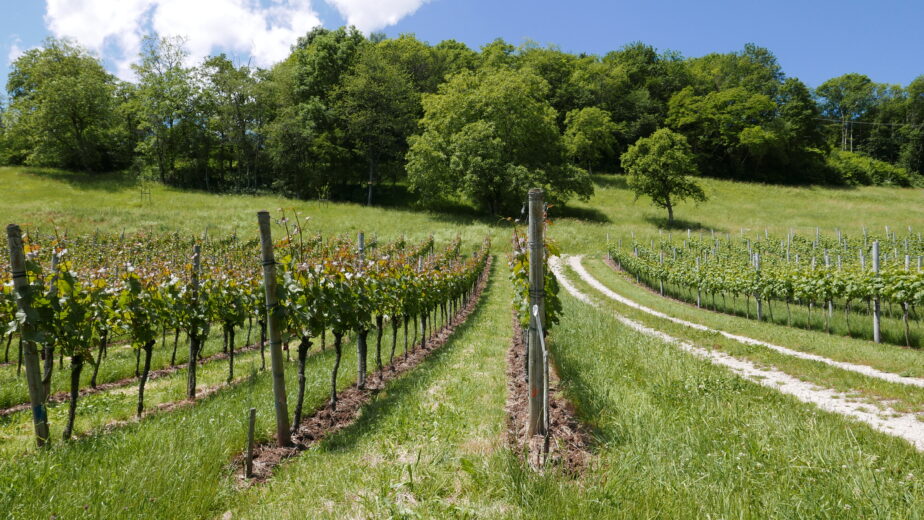
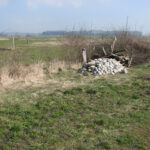
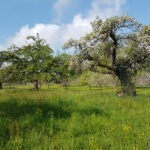
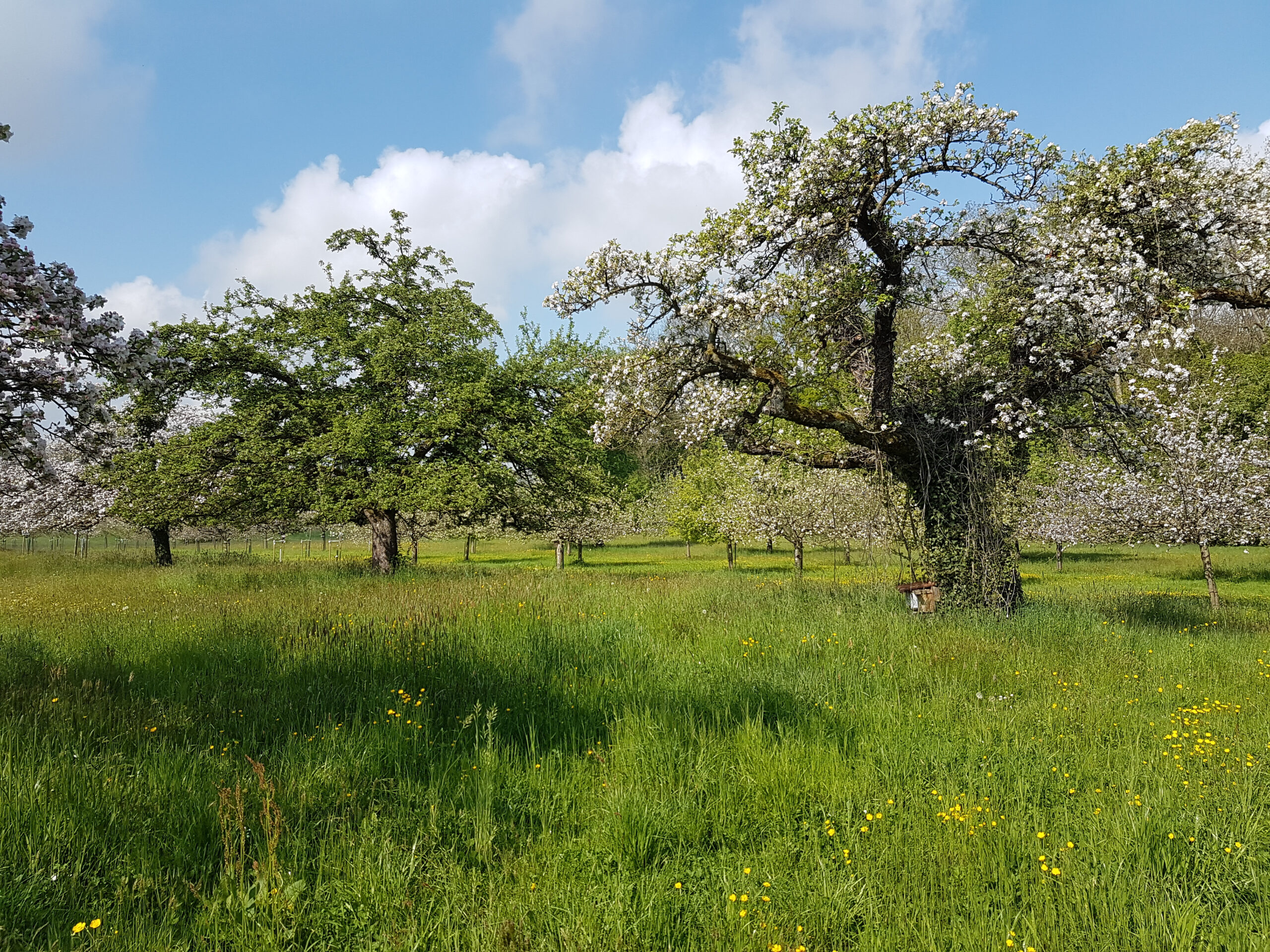
A diverse landscape with various elements such as dry-stone walls, extensively managed vines, hedges, individual trees and forest edges provides an ideal habitat for the Eurasian Wryneck.
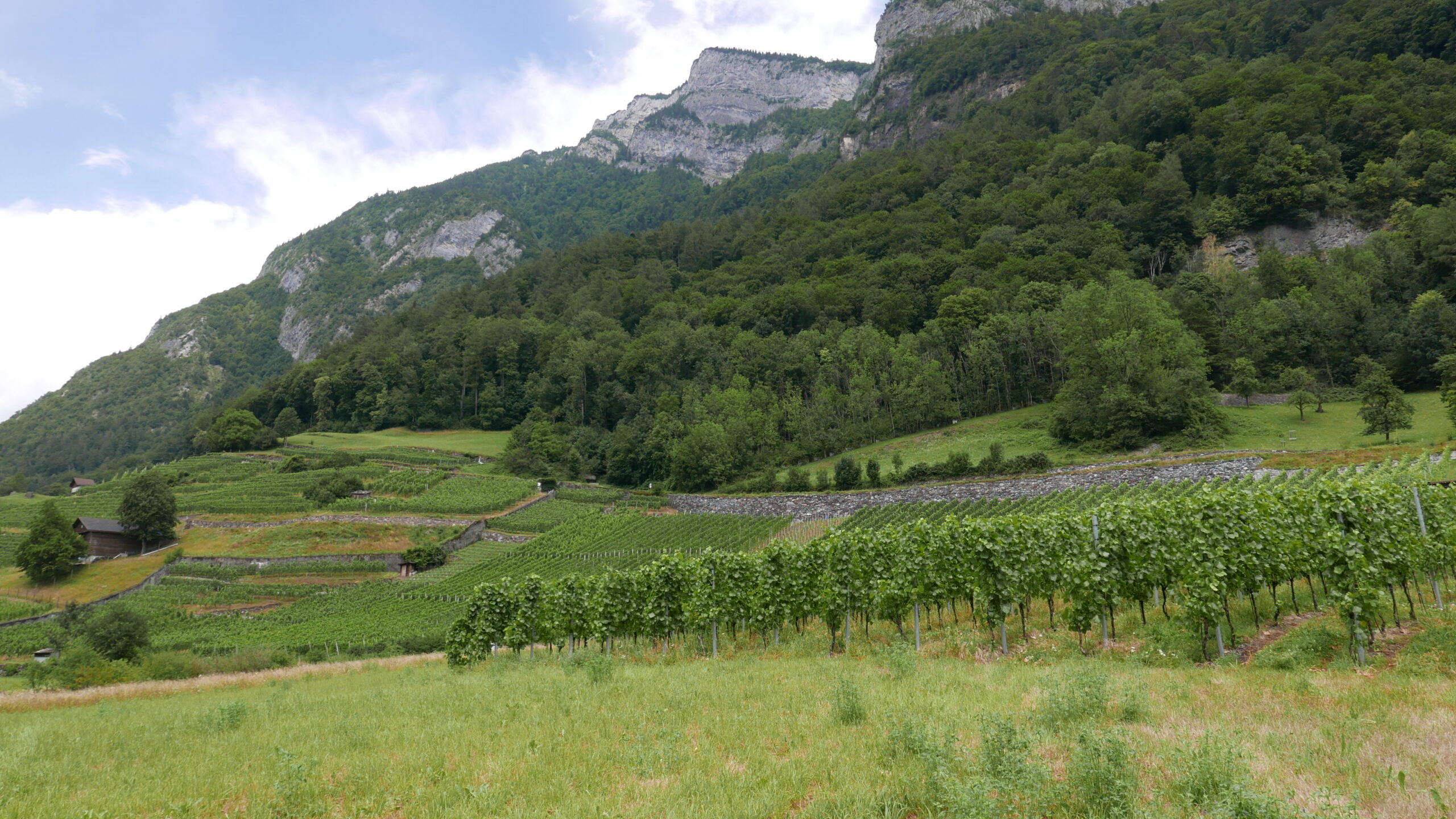
In vineyards, a high density of ants, which are easily accessible thanks to patchy vegetation (e.g. also at the edges of paths), is important.
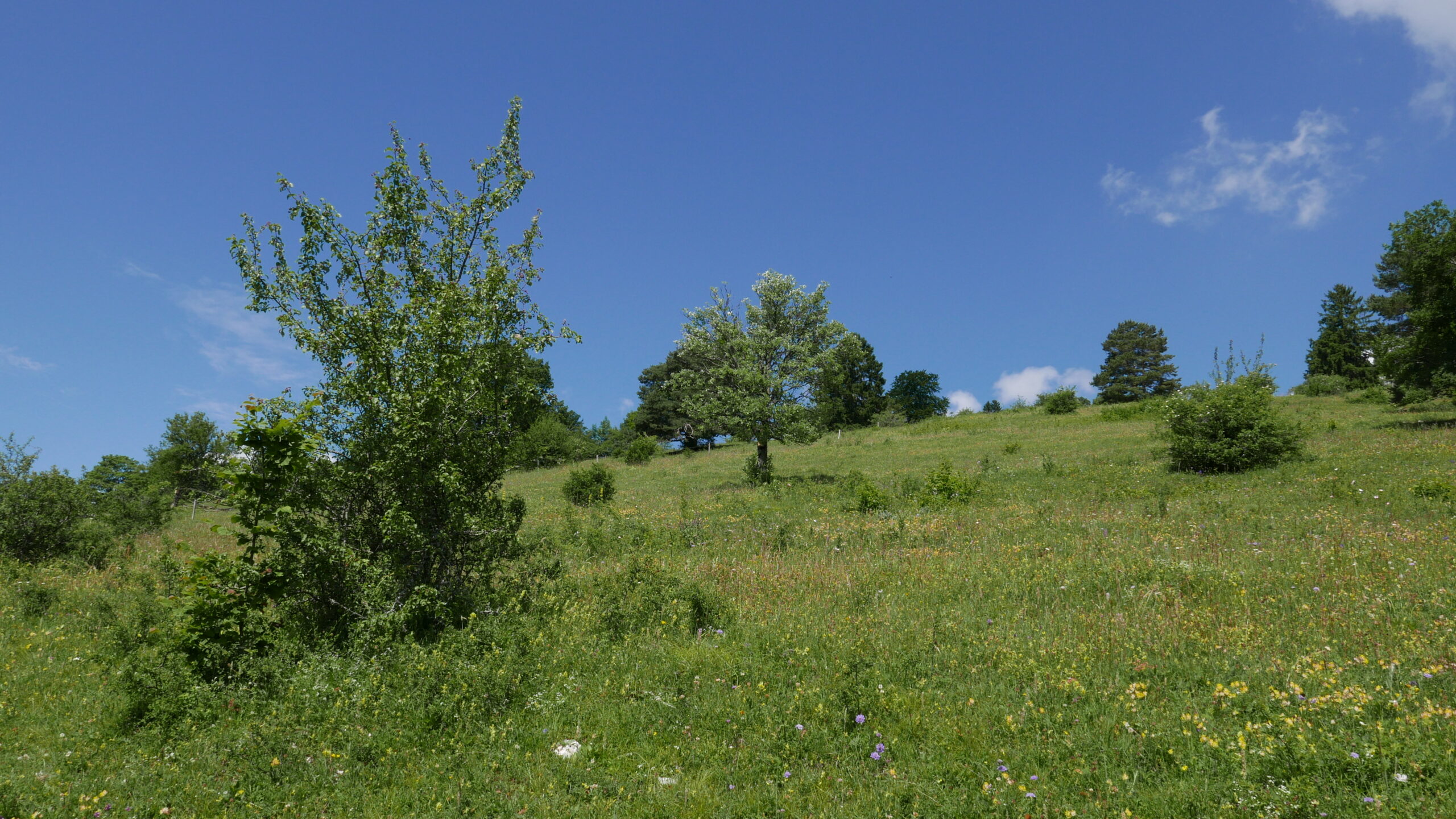
The Eurasian Wryneck inhabits a variety of semi-open habitats. It prefers sites with favourable climates, such as south-facing slopes.
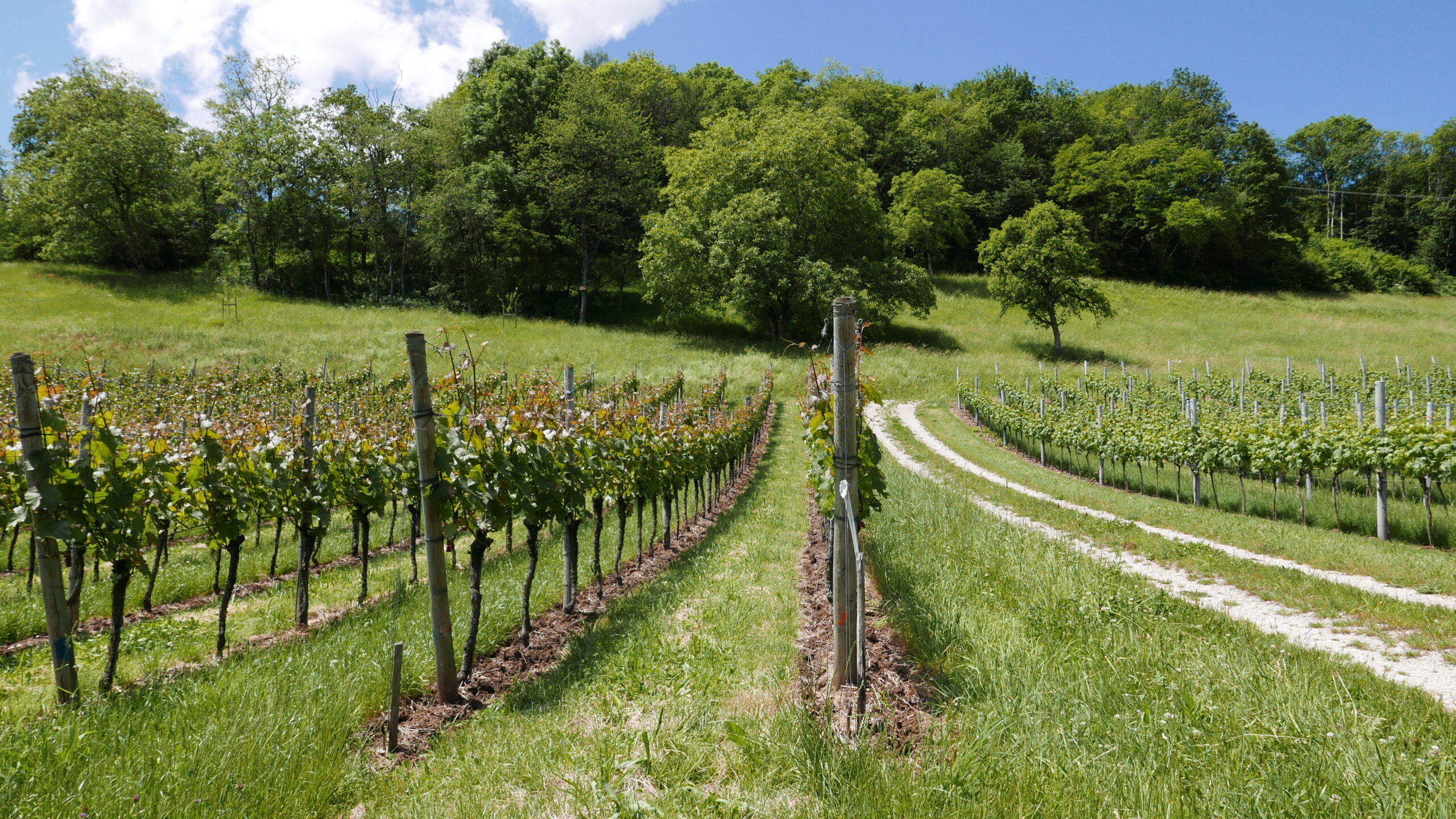
A diverse landscape with various elements such as dry-stone walls, extensively managed vines, hedges, individual trees and forest edges provides an ideal habitat for the Eurasian Wryneck.
Eurasian Wryneck
Birds of Switzerland
Project managers


The limiting factor is the availability of structurally diverse habitats (e.g. vineyards, orchards, open woodland) with patchy ground cover and a good and accessible supply of meadow ants. A sufficiently large selection of natural cavities and nesting boxes is equally important.
- Structurally diverse habitats with a high density of ground-dwelling ants.
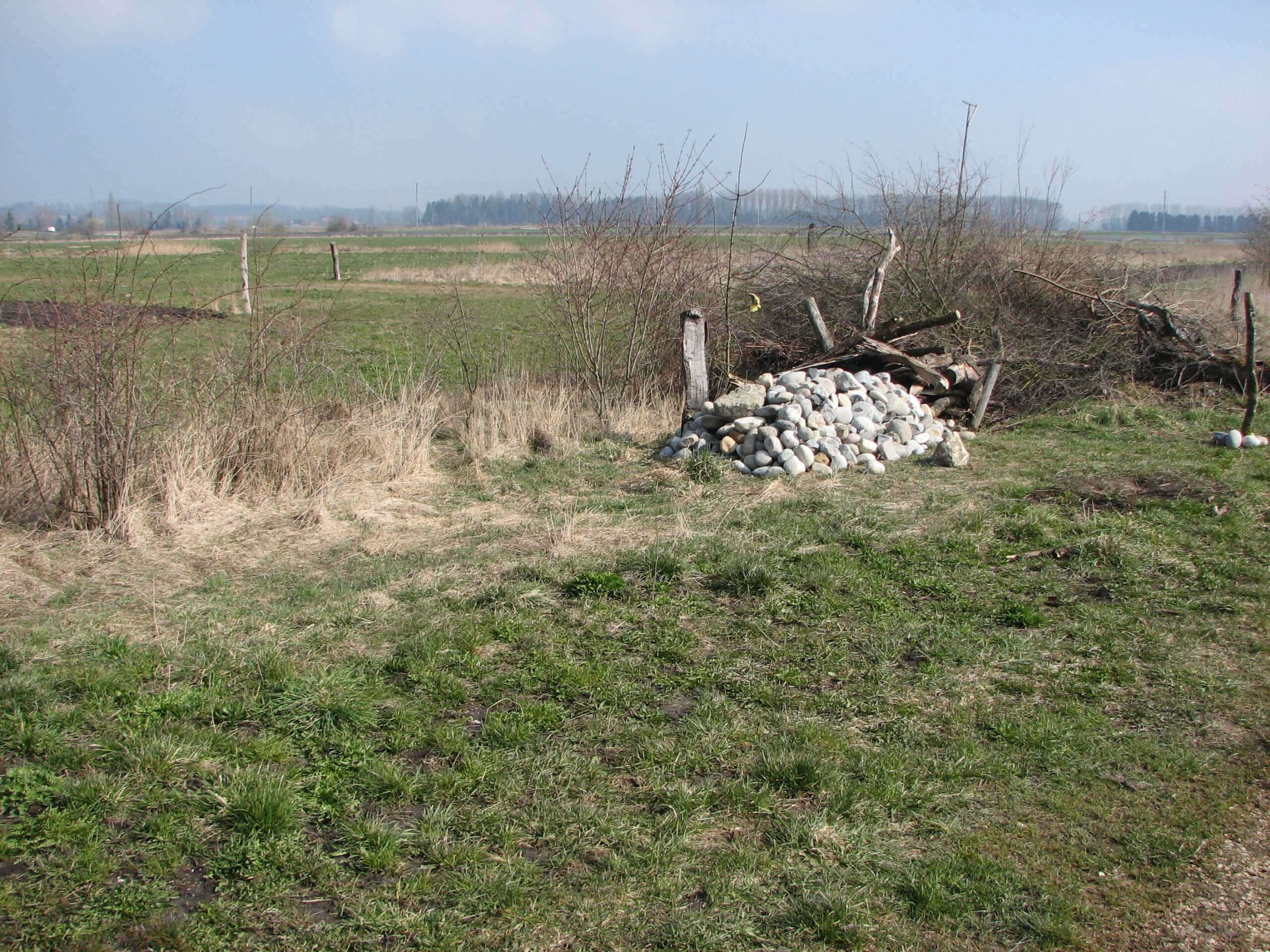
- Sparse vegetation and open areas of ground so that ants are accessible.
- Availability of natural cavities (woodpecker holes, habitat trees, old fruit trees) or nest boxes.
- Loss of habitat due e.g. to intensification, development and pesticides.
- Droughts on the migration route or in wintering grounds.
- Annual mapping as part of the monitoring of common breeding birds.
- In conservation projects, where possible mapping should be carried out using audio lures and data on breeding activity (number of nests, number of young birds, successful breeding) should be gathered from known nest boxes.
- Preservation and conservation of structured, ecologically valuable and extensively managed habitats.
- Creation of habitat diversity to encourage meadow ants.
- Promotion of sparse vegetation and open ground areas.
- Preservation of trees with nesting cavities and habitat trees.
- Installation of nest boxes.
- Ongoing research project in Valais on population dynamics and demographic monitoring.
- In which habitat types and using what forms of management can ground-dwelling ants be preserved and encouraged?
- Species benefits from species conservation projects (nesting cavities / nest boxes, habitat diversity).
- Continue existing projects and measures in core areas.
- Maintain and improve habitat quality and cavity availability in areas with small populations.
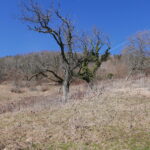
Hollow trees and habitat trees in orchards, tall hedges, forest edges and open woodland.