


To investigate the causes of population changes, demographic datasets are indispensable. Robust insights can only be gained through the analysis of datasets collected over a long period of time. In this project, data on Eurasian Hoopoes and Eurasian Wrynecks in the Valais region, as well as on White-throated Dippers in the Zürich area, are collected and analyzed regularly in order to address a wide range of specific research questions.
©
© Olivier Lalain
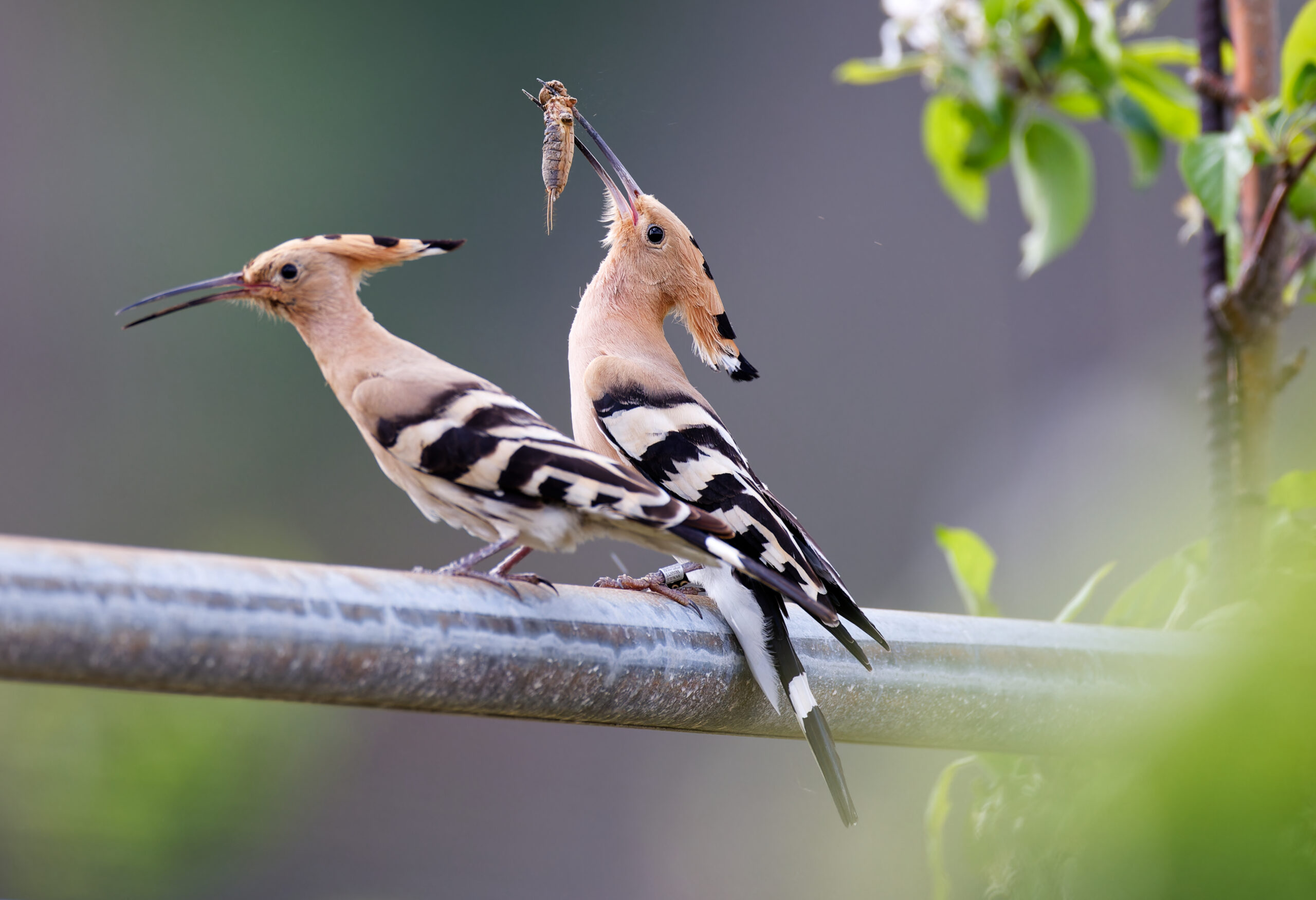
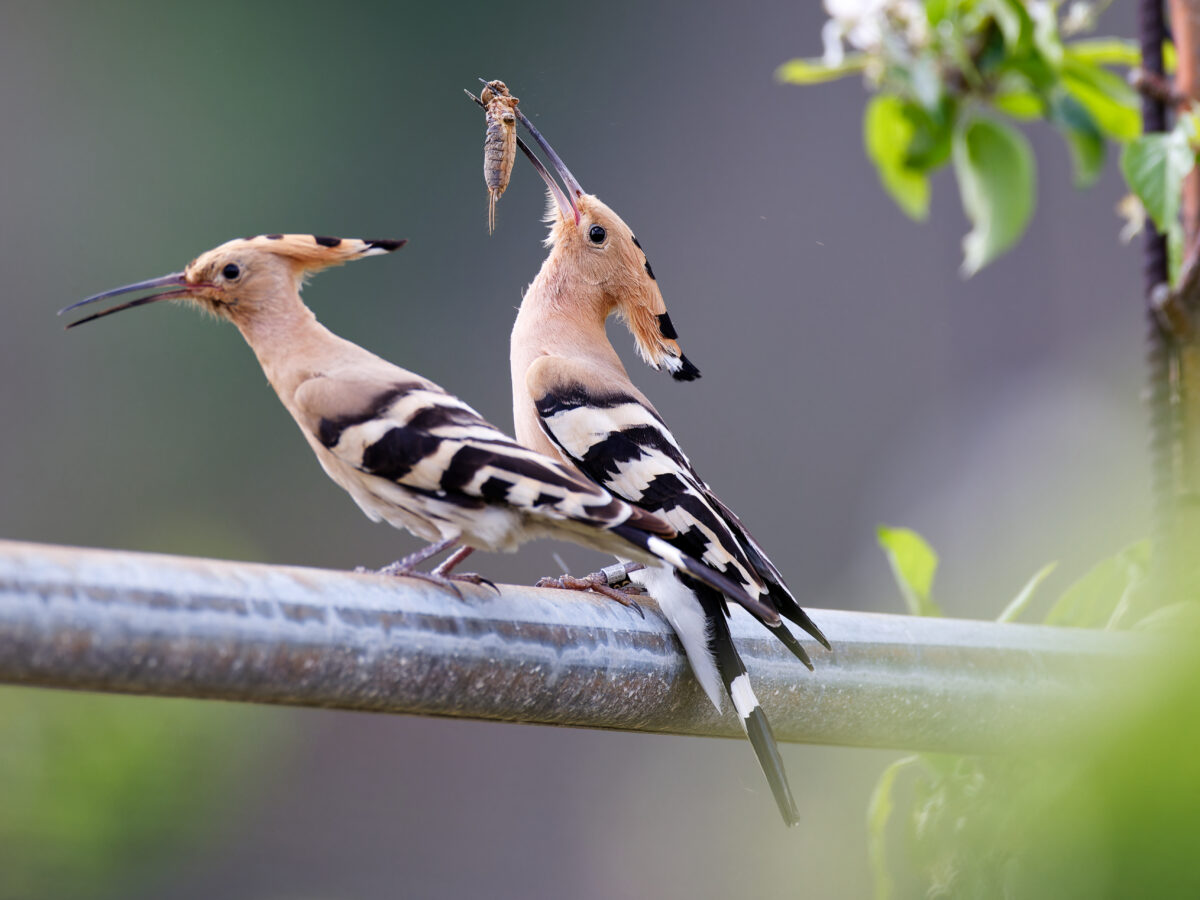
Hoopoe couple

©
©
Olivier Lalain
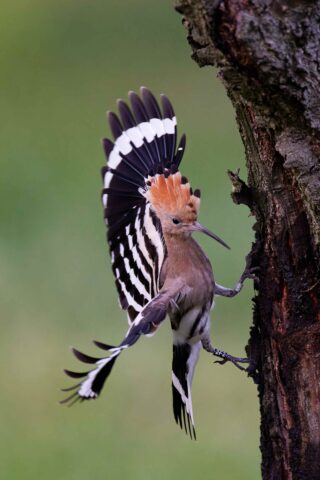
Hoopoe in action

©
©
Olivier Lalain
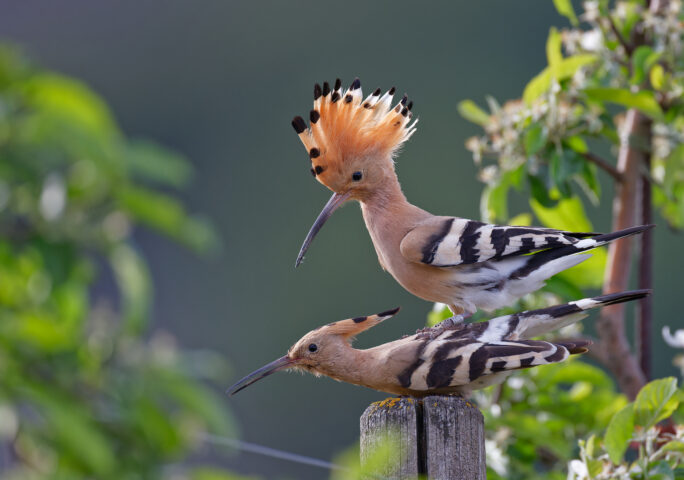
Hoopoe copulation

©
©
Michael Schaub
Study area in the Valais

©
©
Michael Schaub
Study area in the Valais

©
©
Michael Schaub
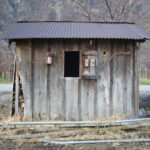
Nestboxes for hoopoe and wryneck

©
©
Irmi Zwahlen
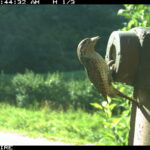
Adult identification on camera trap picture

©
©
Irmi Zwahlen
Adult identification on camera trap picture

©
©
Ruedi Aeschlimann
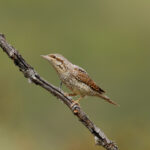
Wryneck

©
©
Oliver Richter
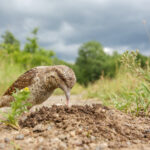
Foraging wryneck
©
©
Michael Schaub
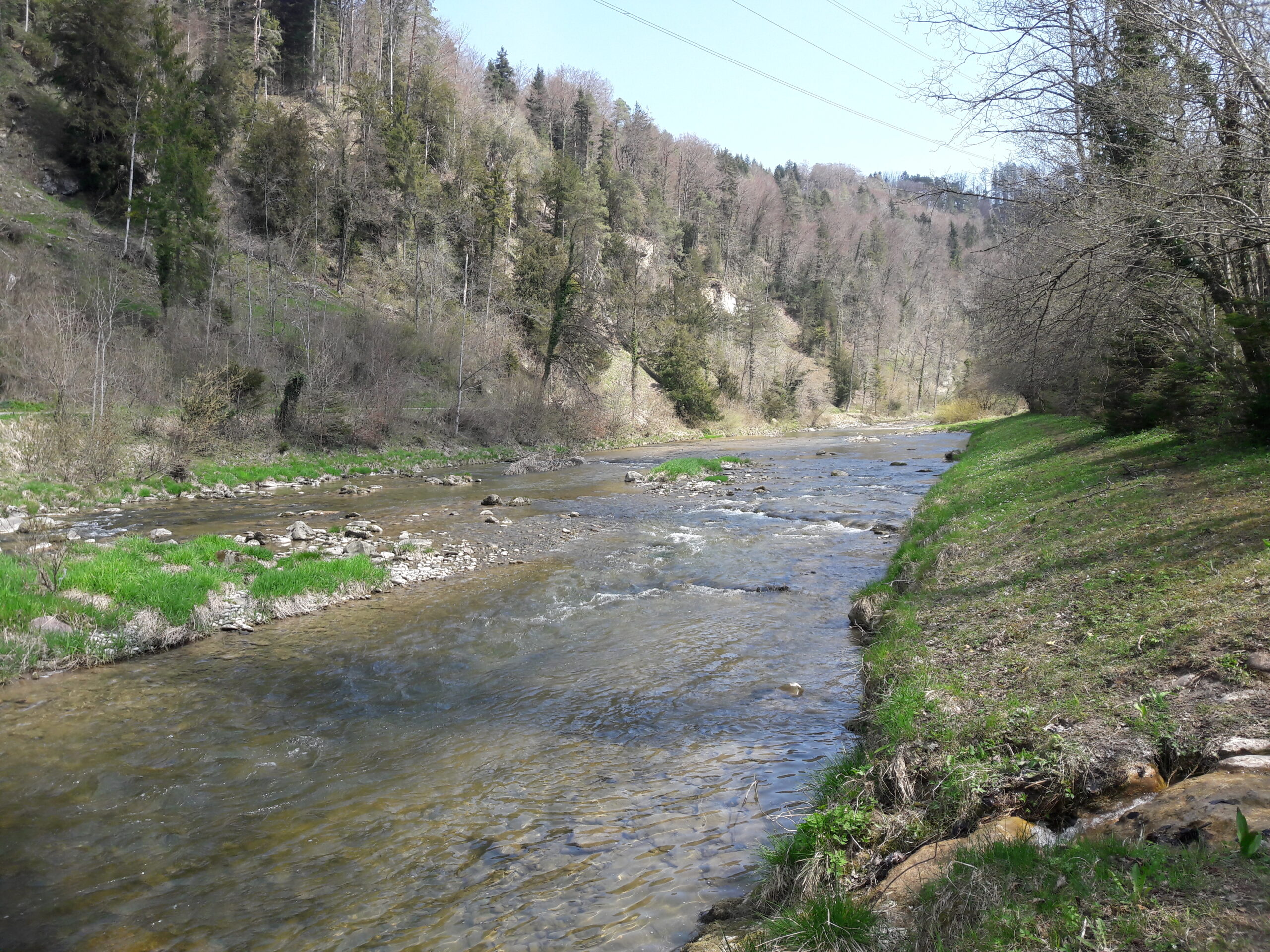
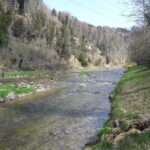
Study area along the river Sihl



©
© Olivier Lalain
©
©
Olivier Lalain
©
©
Olivier Lalain
©
©
Michael Schaub
©
©
Michael Schaub

©
©
Michael Schaub

©
©
Irmi Zwahlen
©
©
Irmi Zwahlen

©
©
Ruedi Aeschlimann

©
©
Oliver Richter
©
©
Michael Schaub
Hoopoe couple
Hoopoe in action
Hoopoe copulation
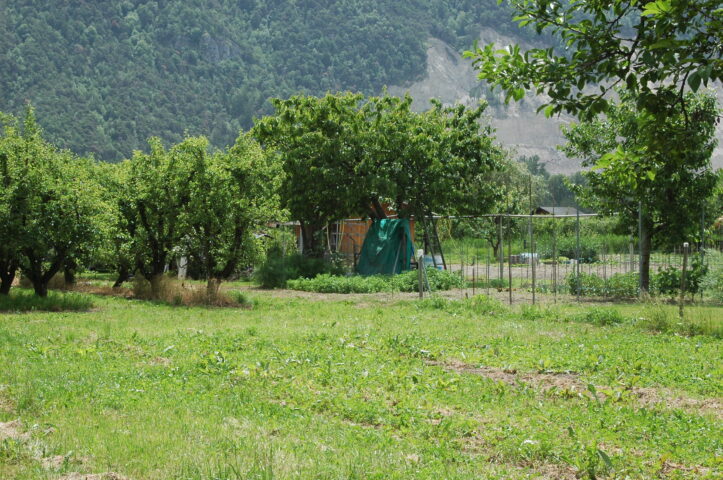
Study area in the Valais
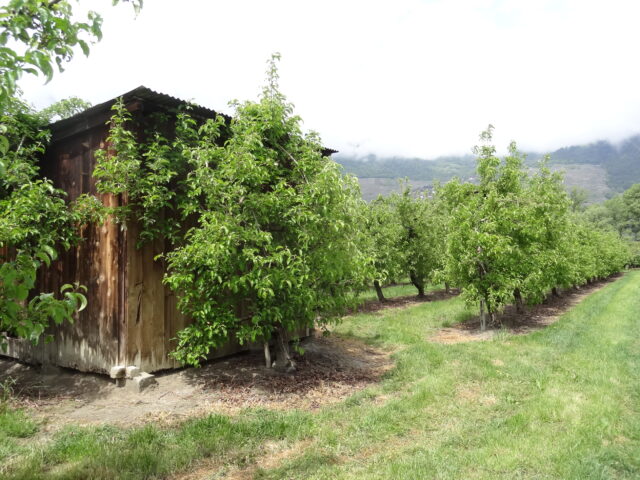
Study area in the Valais
Nestboxes for hoopoe and wryneck
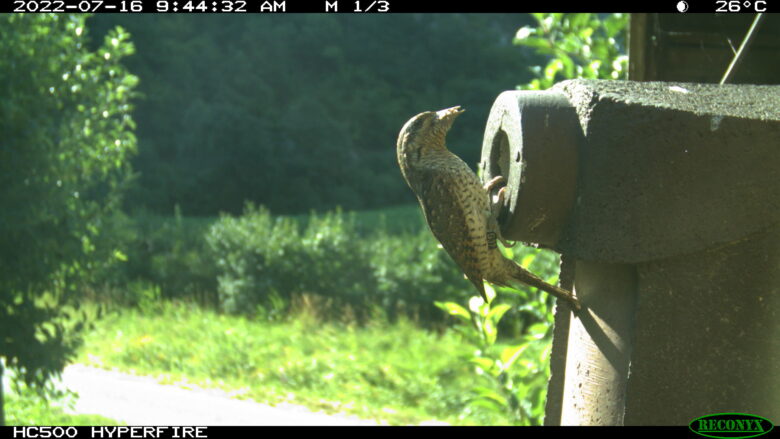
Adult identification on camera trap picture
Adult identification on camera trap picture
Wryneck
Foraging wryneck
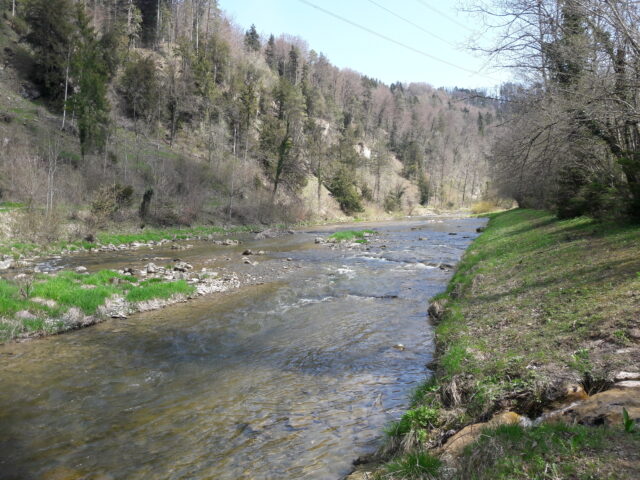
Study area along the river Sihl
Population ecology of hoopoe and wryneck
Which are the reasons for population increases and declines in birds?
Domain
Research
Unit
Population Biology
Topics
Ecology, Population Development, Species Recovery
Habitat
semi-open farmland
Project start
2002
Project completion
2030
Project status
ongoing
Project management
Michael Schaub
Project region
Valais, Zurich
Details
Project objectives
For more than 25 years, we have collected demographic data on the three target species under standardized conditions. We regularly analyze this valuable dataset to gain in-depth insights into the population dynamics of the three species. For example, we investigate which life stages are associated with particularly high mortality. In addition, we study the ecology of the three species, including aspects such as food availability and migratory behavior. The insights gained from this work help us better interpret patterns in population dynamics.
Methodology
The demographic data include the number of breeding pairs, clutch size, the number of fledglings produced per breeding attempt, and regular resightings of ringed individuals (capture-mark-recapture data). We collect these data under standardized conditions and store them in dedicated databases. To address specific research questions, such as those related to migration or kinship relationships, we also collect additional data over limited periods of time.
Significance
Results
The demography of the Eurasian Hoopoe and the Eurasian Wryneck is remarkably similar. The population dynamics of both species are influenced primarily by breeding success and immigration. In both species, breeding success depends on weather conditions, although this effect is somewhat stronger in the Hoopoe than in the Wryneck.
The White-throated Dipper is longer-lived than the other two species and shows a high degree of site fidelity. As an adaptation to the increase in air and water temperatures over the past 30 years, Dippers have begun laying their eggs progressively earlier in the season.
Hoopoes breeding in the Valais spend the winter in the Sahel region, with their wintering grounds extending across a vast area from Niger to Senegal. The drier the conditions in these wintering areas, the higher the mortality of Hoopoes. In contrast, Wrynecks from the Valais breeding population winter in southern Spain and northern Morocco and are therefore short-distance migrants.
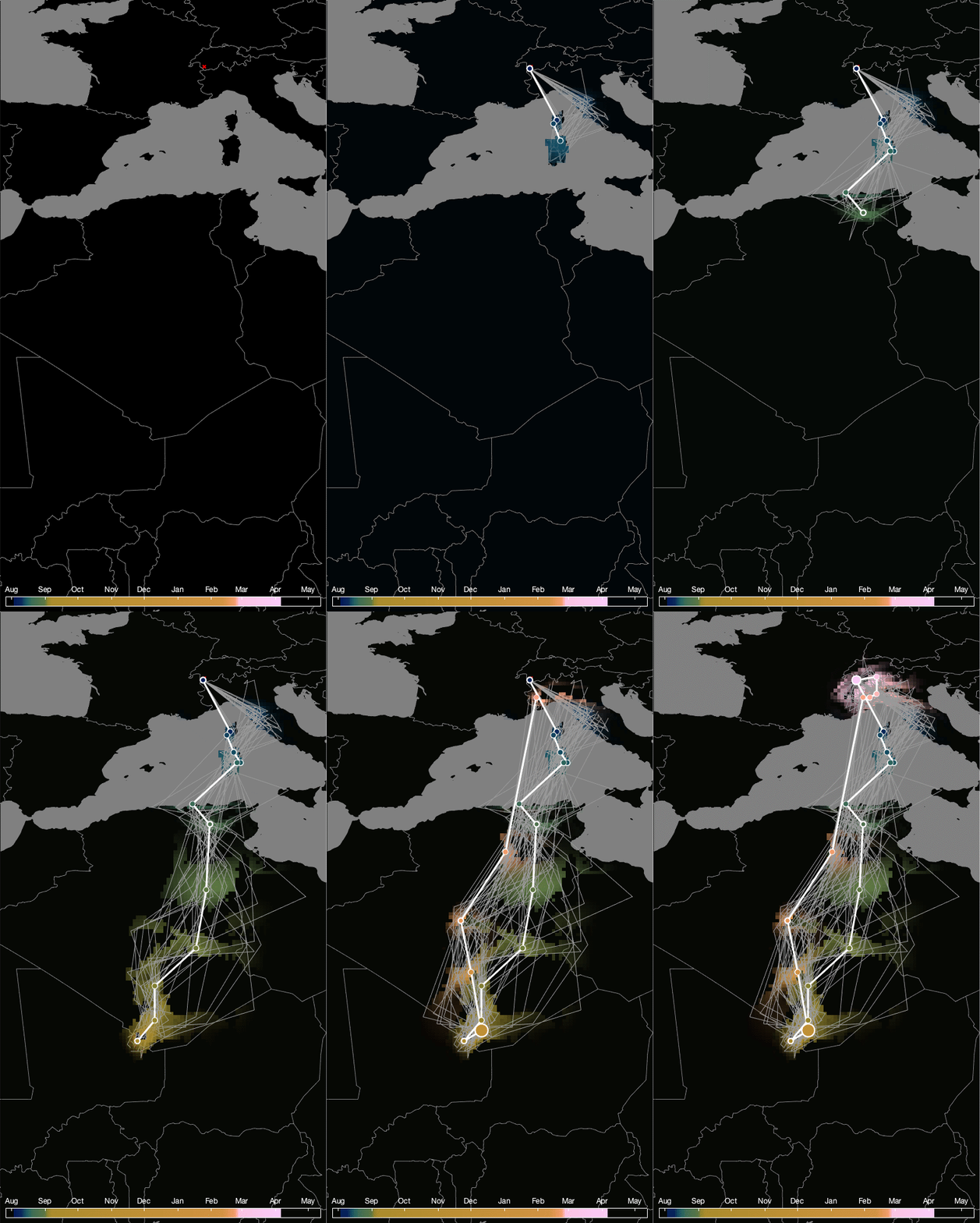
©
© Nussbaumer et al. (2023) DOI: 10.1111/2041-210X.14082
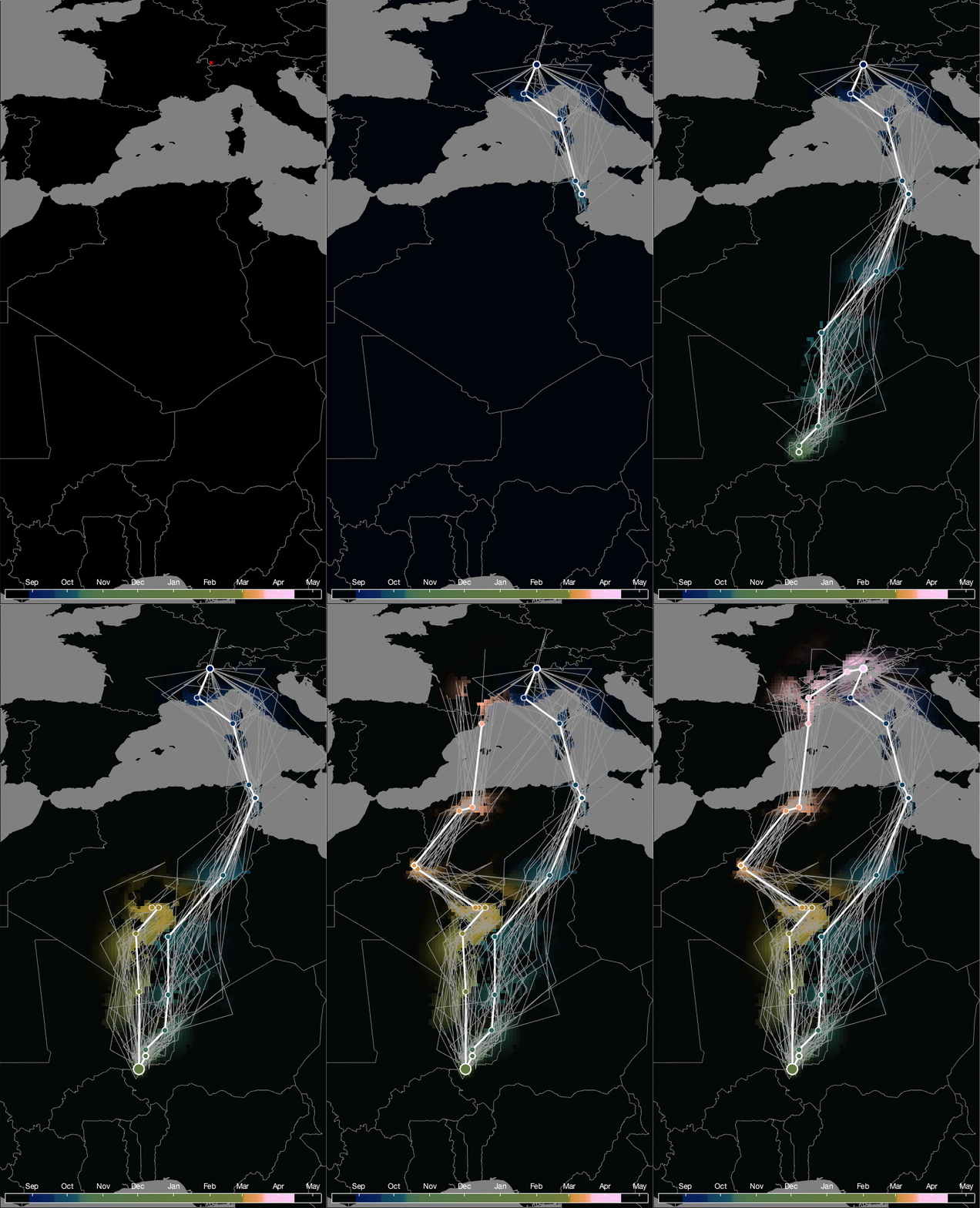
©
© Nussbaumer et al. (2023) DOI: 10.1111/2041-210X.14082


Project partner(s)
Financial support
Employees


Species concerned


Unit
Population Biology
We study the populations and distribution of species and species communities, as well as the factors that cause their changes across space and time.
Additional projects

Donate
Help the birds of Switzerland.
Your support allows us to monitor stocks, identify problems, develop solutions and provide assistance to endangered species.

We handle the donations entrusted to us very carefully. For many years, the Swiss Ornithological Institute has carried the ZEWO seal of approval for non-profit institutions.