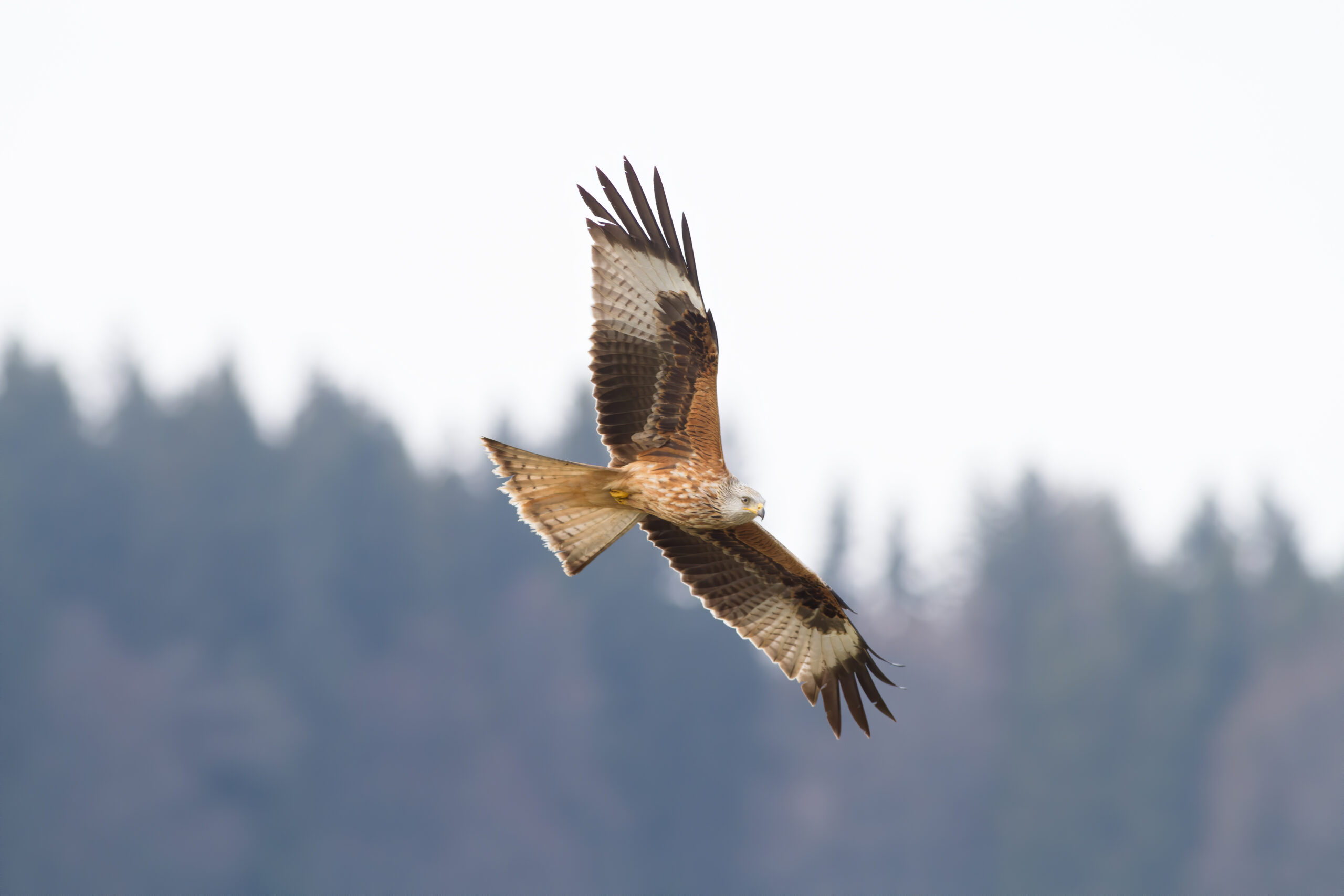

Can supplementary feeding explain the breeding success of the red kite (Milvus milvus) in Switzerland?
Zusammenfassung
Food availability is a limiting factor on the reproductive performance of bird species and garden feeding can alter the distribution of this resource. In certain rural regions of Switzerland, people are now regularly feeding an opportunistic scavenger, the red kite (Milvus milvus). To understand the potential influence of this activity, I firstly investigated the effect of increasing resources on the breeding performance of red kites, and second, I conducted a survey to determine the extent of garden feeding. Food supplementation was applied to red kites from early incubation to fledging of the nestlings and breeding performance was compared between supplemented and control (non-supplemented) nests. Supplemented nests showed significantly increased breeding success, number of hatchling and nestling survival. The effect of feeding on number of fledglings was strong but not significant, while the results for nestlings’ weight were conflicting. The survey on garden feeding revealed that 10.1% of the households was feeding red kites and that most had been feeding for several years. The overall results suggest that food availability plays a critical role in the reproduction of red kites, likely by modulating the parent-offspring conflict. Food provided by local people might be of secondary importance to breeding red kites and instead favor the survival of sub-adults and wintering birds. The large amount of food provided by garden feeding could change the balance and interaction of species, and future research should address the currently understudied effects of this activity in rural landscapes.