

The draining of wetlands and the subsequent intensification of agricultural management led to a sharp decline of the Northern Lapwing in Switzerland in the 20th century. Only as a result of intense conservation and promotion efforts was it possible to save the Northern Lapwing from extinction. Its population has more than doubled since 2005 and around 200 pairs are now breeding in Switzerland again. The rare ground-nesting bird is still listed as critically endangered (CR) on the Red List and is dependent on specific measures.

©
© Marcel Burkhardt
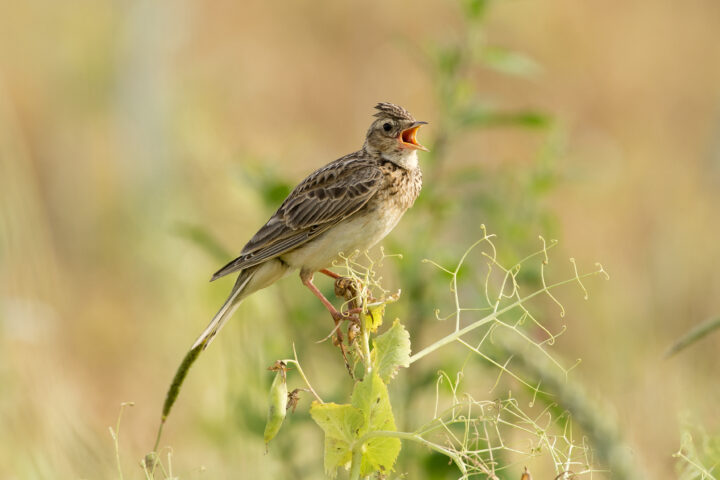
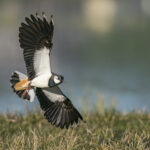
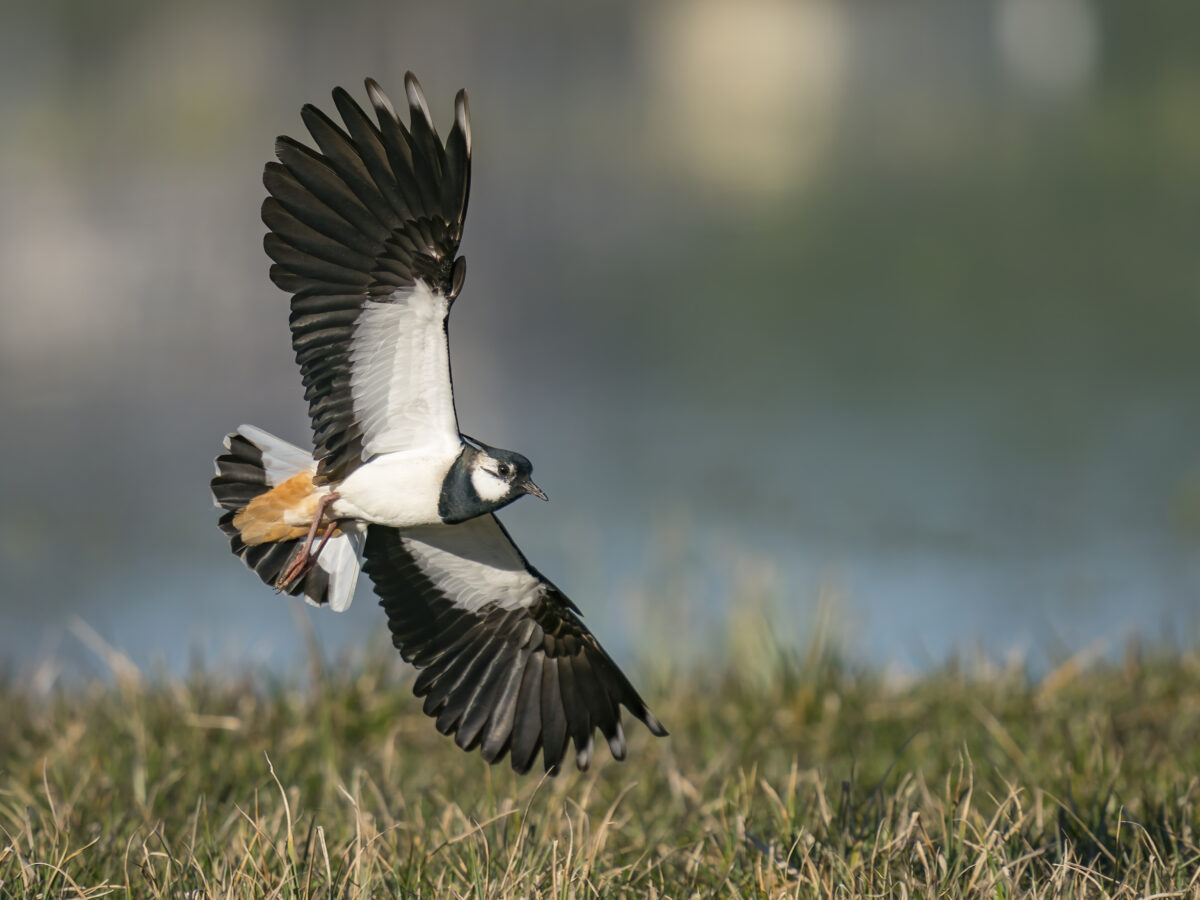
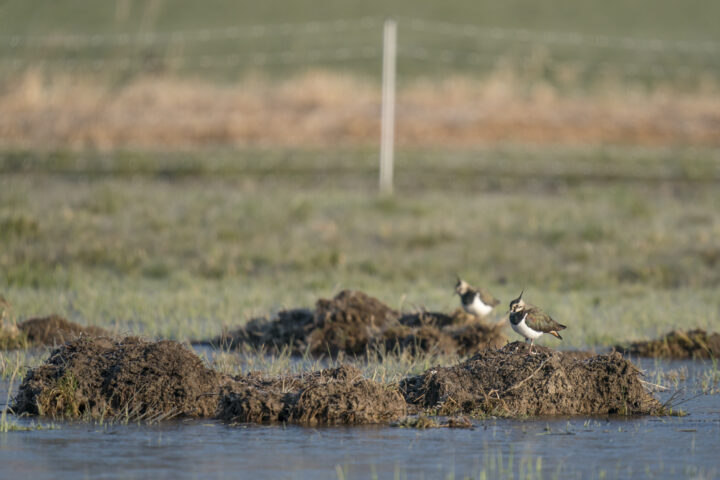
The male Lapwing emits the distinctive “peewit” call during its acrobatic courtship flight. It has only been possible to maintain the population of the Lapwing in Switzerland thanks to intense conservation and promotion efforts, and it continues to remain heavily dependent on these today.

©
©
Marcel Burkhardt
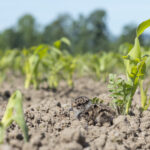
The Northern Lapwing breeds early in the year. Clutches on the ground are particularly at risk from predators and agricultural cultivation.

©
©
Marcel Burkhardt
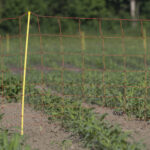
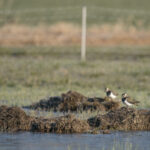
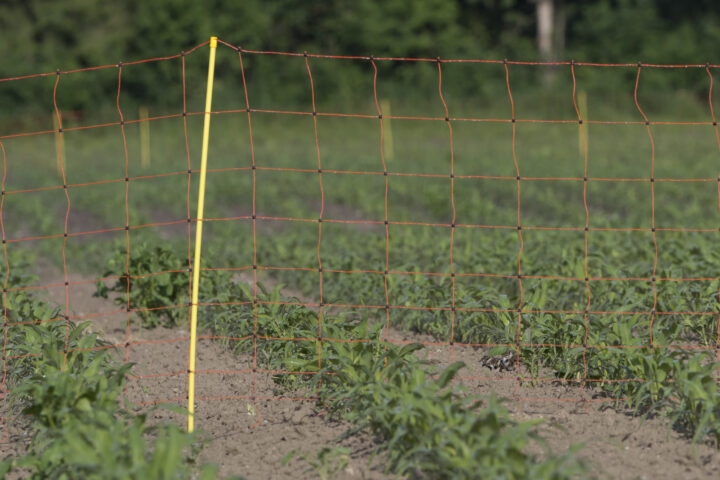
Fencing off breeding areas deters predators, especially the fox, thereby enabling the Northern Lapwing to breed successfully.

©
©
Marcel Burkhardt
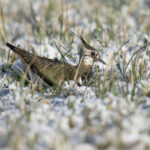
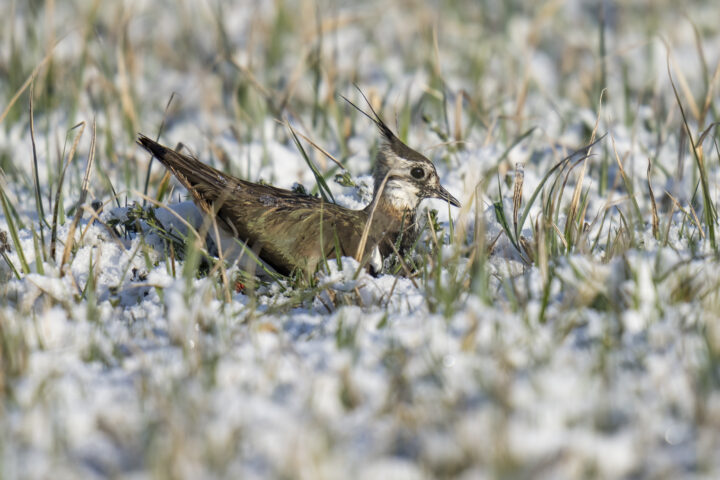
As nest fledglings, Northern Lapwing chicks search for food on their own immediately after birth. They are particularly vulnerable during the first few days of their lives. In the event of danger, they cower to the ground and trust their perfect camouflage.

©
©
Marcel Burkhardt
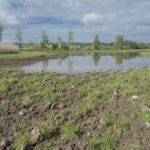
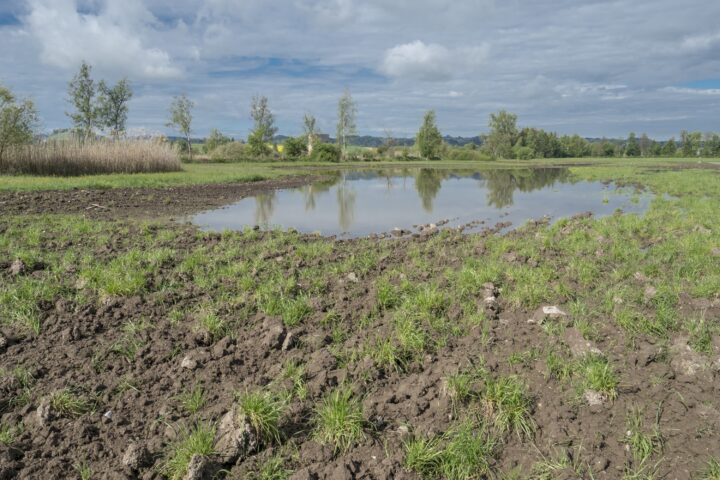
Rewetted areas are readily accepted by the Northern Lapwing.

©
©
Marcel Burkhardt
The Swiss Ornithological Institute is committed to the rewetting of areas so as to restore the Northern Lapwing’s original habitat.
©
© Marcel Burkhardt
©
©
Marcel Burkhardt
©
©
Marcel Burkhardt

©
©
Marcel Burkhardt
©
©
Marcel Burkhardt
©
©
Marcel Burkhardt
The male Lapwing emits the distinctive “peewit” call during its acrobatic courtship flight. It has only been possible to maintain the population of the Lapwing in Switzerland thanks to intense conservation and promotion efforts, and it continues to remain heavily dependent on these today.
The Northern Lapwing breeds early in the year. Clutches on the ground are particularly at risk from predators and agricultural cultivation.
Fencing off breeding areas deters predators, especially the fox, thereby enabling the Northern Lapwing to breed successfully.
As nest fledglings, Northern Lapwing chicks search for food on their own immediately after birth. They are particularly vulnerable during the first few days of their lives. In the event of danger, they cower to the ground and trust their perfect camouflage.
Rewetted areas are readily accepted by the Northern Lapwing.
The Swiss Ornithological Institute is committed to the rewetting of areas so as to restore the Northern Lapwing’s original habitat.
Domain
Conservation
Unit
Agricultural Habitat
Topics
Species Recovery, Population Development, Habitat Promotion
Habitat
farmland, wetlands, meadows and pastures
Project start
2005
Project status
ongoing
Project management
Simon Hohl
Project region
Lucerne, Valais
Employees


Species concerned

Unit
Agricultural Habitat
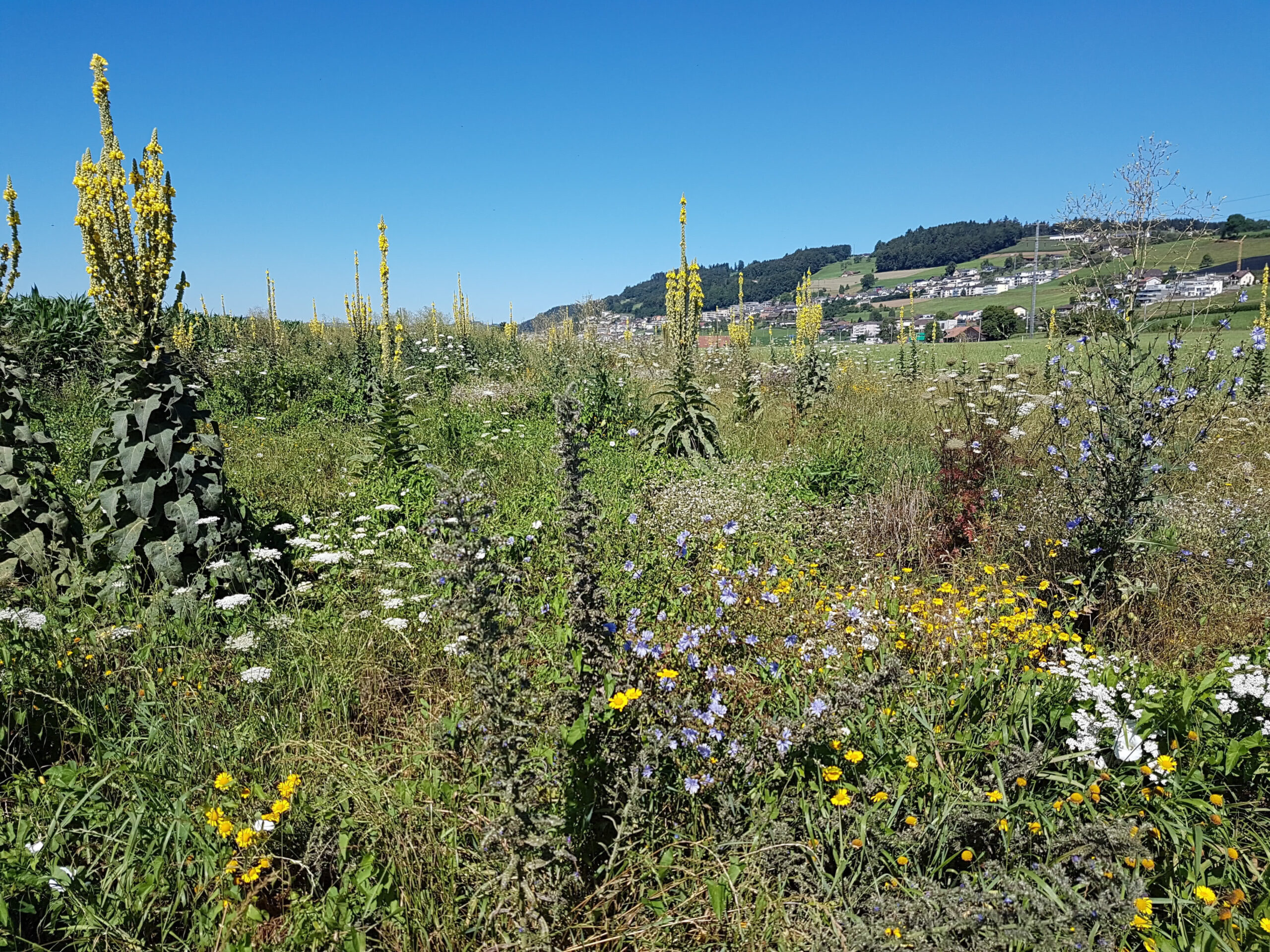
We promote wildlife-friendly agriculture with more high-quality and better-connected habitats, fewer artificial fertilisers and fewer pesticides.